
Serological testing experiments
Serological testing experiments
Currently, serological testing experiments include: blood biochemistry and hormone level testing experiments.
Operation method
Hormone level testing experiments
Materials and Instruments
Equipments: Enzyme Labeling Instrument (SunriseTM,TECAN) Move The basic procedure of the hormone level assay can be divided into the following steps, using the mouse serum insulin assay (ELISA) as an example (the specific steps of the assay are performed according to the instructions of the ELISA kit). The procedure for the Linco Rat/Mouse Insulin ELISA kit is as follows:) M. Analyze the results of the experiment with Excel software, and take the logarithmic value of the standard curve according to the concentration value of the standard and the light absorption value, and convert the concentration value of the test sample according to the standard curve. Examples of the results are shown in Figure 8-9-9. Caveat 1. Considering that the concentrations of most hormones in blood and urine are relatively low, their detection needs to be carried out in a specialized laboratory. The detection of hormone levels usually requires a large number of blood samples, so the detection of hormone levels in mice is somewhat difficult, and only 200-300 μl of blood samples can be taken from mice at a time. 2. In general, hormone levels are measured by radioimmunoassay and enzyme-linked immunosorbent assay. It should be emphasized that the collection of blood samples must be fixed at a point in time to avoid fluctuations due to temporal changes in hormone secretion (e.g., the secretion of corticosterone will be higher at 17:00 pm than at 8:00 am in the morning); and the length of the fasting period before the test usually affects the test value of hormone levels, e.g., insulin secretion from the pancreas increases as blood glucose levels increase after meals; and the duration of fasting before the test usually influences the test value. For example, insulin secretion from the pancreas rises as blood glucose levels increase after a meal; and since the secretion of many hormones, such as growth hormone and luteinizing hormone, shows pulsatile changes, repeated samples of these hormones are needed to determine their levels. In short, when testing hormone levels in the body, all factors that may affect the measurement results must be taken into account. 3. In addition to the measurement of static indicators, hormone level testing usually includes the determination of endocrine dynamics, which generally involves changes in the levels of some hormones (insulin) or metabolites (glucose) over time following some metabolic stress. For example, in the measurement of follicle-stimulating hormone and luteinizing hormone, blood samples are measured at 0, 20, and 60 minutes after injection of a dose of luteinizing hormone-releasing hormone. Tests for dynamic markers are also utilized in the detection of body glucose homeostasis, including the high insulin-normal glucose clamp test, oral glucose tolerance test, intraperitoneal glucose tolerance test, and another common dynamic test is the dexamethasone suppression test for the diagnosis of Cushing's Syndrome in humans, where plasma glucocorticoid levels will be measured at various time points after a single dexamethasone dose is injected. 4. The measurement of insulin in the blood can be done with either plasma or serum, and in this chapter we have used serum as the sample to analyze the insulin levels. For more product details, please visit Aladdin Scientific website.
Reagents:
Rat/Mouse Insulin ELISA kit (Cat:EZRMI-13K, LINCO Research)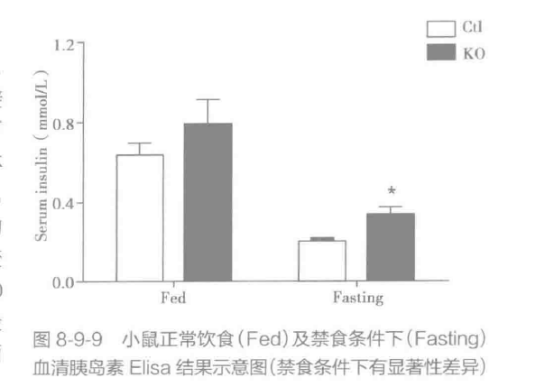


 危险品化学品经营许可证(带存储)