
Hydrogen Peroxide 30% Laboratory Protocol | Safe Use & Applications
Step-by-step protocol for handling and applying Hydrogen peroxide 30% in research: dilution, sterilization, oxidation assays, and safety best practices.
用于检测、定量和定位抗原与抗体的技术——ELISA、免疫印迹、免疫组化与流式细胞术。以下是我们知识库中标注该主题的实验方案、常见问题与技术文章。
Step-by-step protocol for handling and applying Hydrogen peroxide 30% in research: dilution, sterilization, oxidation assays, and safety best practices.
Carbohydrate oxidases selectively oxidize glucose, galactose, and other sugars, accompanied by H₂O₂ production, oxygen consumption, or electron transfer. Different carbohydrate oxidases exhibit distinct substrate ranges and regioselectivities, acting on positions such as C1, C2, or C6 of the ...
The antioxidant enzyme defense system is an important barrier by which cells resist reactive oxygen species-induced damage. Superoxide dismutase (SOD), catalase (CAT), and glutathione peroxidase (GSH-Px/GPx) form a continuous reaction chain that removes superoxide anions, hydrogen peroxide, and ...
Amino acid oxidases are a class of flavin-dependent oxidoreductases that use molecular oxygen as the terminal electron acceptor to catalyze oxidative deamination of amino acids, generating the corresponding alpha-keto acids, ammonia (or ammonium), and hydrogen peroxide. This reaction system ...
常与免疫学实验一起研究的技术。


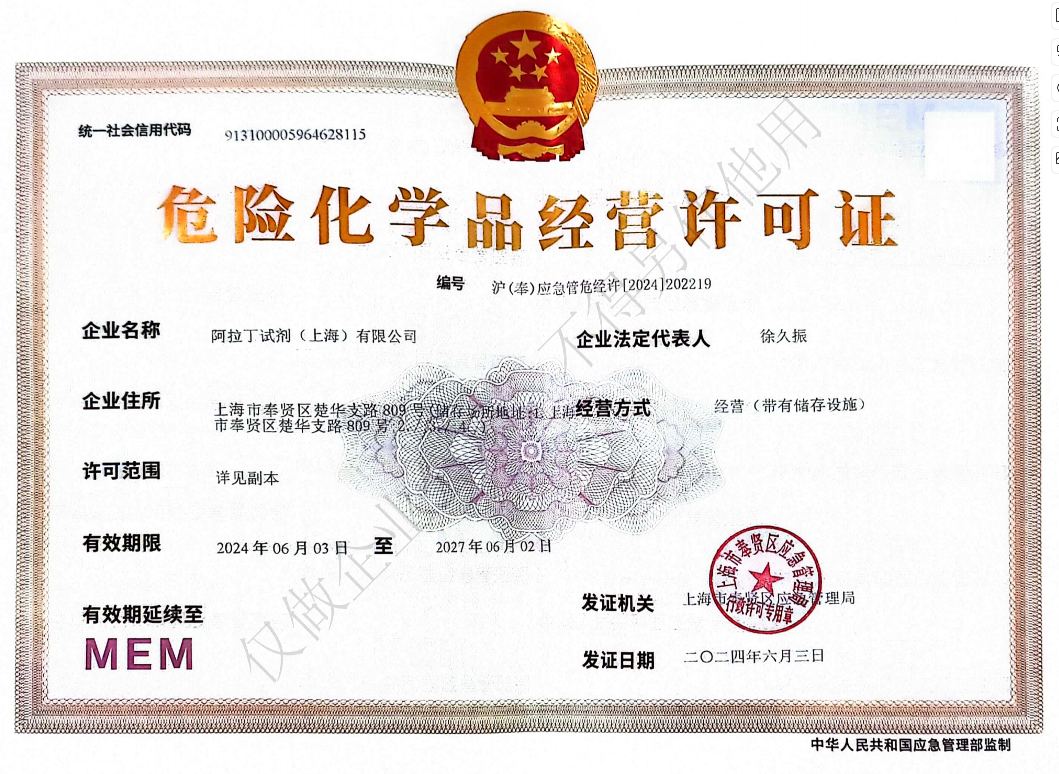 危险品化学品经营许可证(带存储)