

 F2623257
计算溶液所需的质量、体积或浓度。
概述
液态橡胶具有 “反应性增塑剂” 的功能,但其分子量远高于普通增塑剂。这意味着在费时费力的橡胶混炼过程中,它有助于降低门尼粘度并促进混炼过程。更好的化合物流动性显著提高了混合过程的效率,令橡胶化合物的物理特性得以保留。提高粘度的另一个优点是延长混合设备的使用寿命,因为混合器可以更好地“搅拌”化合物。
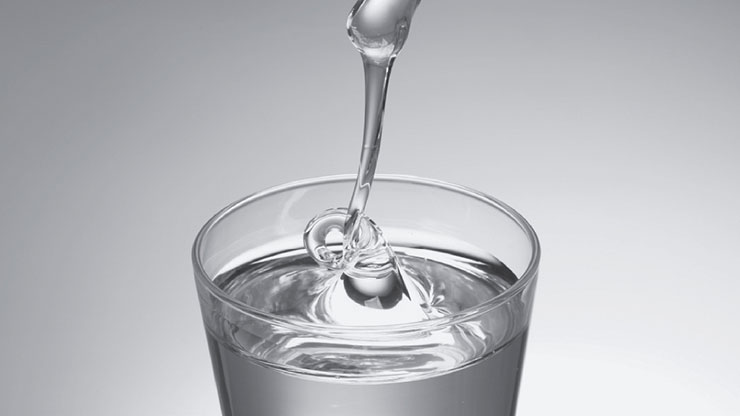
液态橡胶作为反应性增塑剂
液态橡胶包括液态丁二烯橡胶 (L-BR)、液态异戊二烯橡胶 (L-IR) 和液态聚丁苯橡胶 (L-SBR) 。高粘度合成橡胶无色、透明,而且几乎完全无味和低VOC值。丁二烯、异戊二烯和苯乙烯的聚合物分子量低,设计在固体橡胶和增塑剂之间。
液态橡胶等级可与基础橡胶共硫化以防止迁移。 显著减少的迁移极大地提高了产品的保质期和耐用性。 根据等级的分子量,它可以替代配方中的部分橡胶(高分子量)或替代配方中的全部或部分油(低分子量)。
特点和优点
减少混合时间和能源消耗
- 强粘性和粘合性能
- 低玻璃化转变温度 (Tg)
- 低温下类似橡胶的特性
- 无色、透明、低VOC
- 可共硫化并减少迁移,从而提高产品的保质期
应用
粘合剂、涂料、密封剂
- 电子产品
- 工业与建筑
- 流动性
- 机油改性
- 橡胶混炼
- 体育用品和鞋类产品
液态橡胶有广泛的应用,其一个重要的应用领域是轮胎。 液态橡胶等级可用于各种轮胎胶料,包括胎面、胎体、胎侧和胎圈填料胶料。 液态橡胶是制造冬季轮胎、四季轮胎和高性能轮胎的首选产品。它降低了门尼粘度,从而最大限度地减少了迁移,同时提高了橡胶化合物的可加工性。 液态橡胶通过同时管理抓地力、燃油效率和耐磨性之间的平衡显著提高了轮胎性能。 液态橡胶在皮带、软管和其他橡胶制品中的应用也很受欢迎。
液态橡胶的其他应用包括高性能涂料、密封剂和粘合剂。在粘合剂中,液态异戊二烯橡胶用作增粘剂和增塑剂, 也可应用于印版、砂浆和橡胶复合物(例如用于传送带)。

液态橡胶用于具各种轮胎应用。
Aaddin开发了几种用于固化的高乙烯基等级和用于 EPDM 应用的液态异戊二烯橡胶等级,降低了产品的挥发性有机化合物(VOC)含量。
液态橡胶有以下三种类型:
- 液态聚丁二烯橡胶 (L-BR)
- 液态聚异戊二烯橡胶 (L-IR)
- 液体聚丁苯橡胶(L-SBR)
这些类型从低分子量到高分子量都有,其中一些更具有功能性基团。
Functionalized Grades
马来化 L-IR (403) 和羧化 L-IR (410)
Aladdin开发了具有高分子量和不同功能的共聚物。 Malenized L-IR-403 和 Carboxylated L-IR-410 是羧化液体异戊二烯橡胶 (L-IR) 、可改善橡胶对金属的附着力和填料在橡胶中的分散。 L-IR-403 和 L-IR-410 的应用包括汽车密封胶、涂料和粘合剂、以及热熔粘合剂、PSA(基于SIS、SBS、EVA)。
羧基通常对极性物质具有反应性或亲和力。除了增塑效果和硫化性之外,羧基预计还有其他附加功能。除了反应性增塑剂功能外,这两种类型都可以提高橡胶对各种金属的粘合性能,即使在热老化后,粘合性能也很稳定。

L-IR-403

L-IR-410
紫外光固化 L-IR
紫外线固化 L-IR 的应用领域是压敏粘合剂(紫外线固化粘合剂)。基于聚异戊二烯的结构,材料的特点是柔韧性好。除了良好的低温性能外,还具有低收缩率、 良好的吸湿性和抗渗透性。除了具有优异的粘合性能外,紫外线固化 L-IR 还具有绝缘性能。

UC-102M | UC-203M
|
LIQUID RUBBER products function as “reactive plasticizers”, but have much higher molecular weight than normal plasticizers. This means that in the time-consuming and labor-intensive rubber mixing process, they help reduce mooney viscosity and facilitate the mixing process. Better flowability of the compound increases the efficiency of the mixing process significantly. The physical properties of the rubber compounds are retained. Another advantage of the improved viscosity is also a longer service life of the mixing equipment, as the mixer can “stir” the compound better.
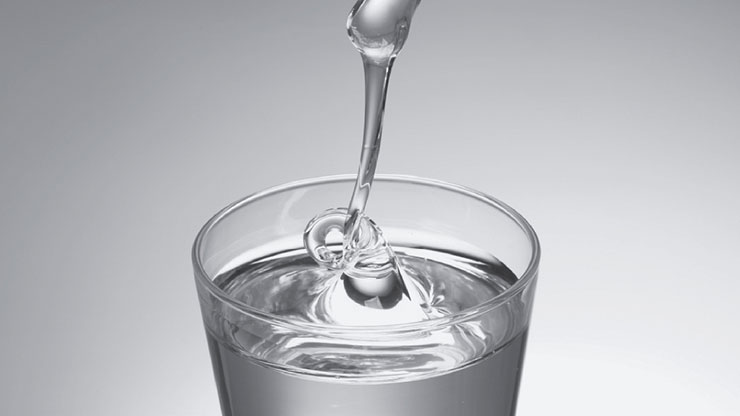
LIQUID RUBBER as a reactive plasticizer
LIQUID RUBBER includes Liquid Butadiene Rubber (L-BR), Liquid Isoprene Rubber (L-IR) and Liquid Polystyrene-Butadiene Rubber (L-SBR). The high-viscosity synthetic rubbers are colorless, transparent, almost completely odorless and have low VOC values. The polymers of butadiene, isoprene and styrene have a low molecular weight, which is designed between solid rubber and plasticizer.
LIQUID RUBBER grades are co-vulcanizable with the base rubber to prevent migration. The significantly reduced migration massively improves the shelf life and durability of the products. Depending on the molecular weight of the grades, they can either replace part of the rubber in the formulation (high molecular weight) or replace all or part of the oil in the formulation (low molecular weight).
Features and benefits
Reduces mixing time and energy consumption
- Strong tack and adhesive properties
- Low glass transition temperature (Tg)
- Rubber-like properties at low temperatures
- Colorless, transparent and low VOC
- Co-vulcanizable and reduces migration which improves the products shelf life
Applications
- Adhesives, coatings, sealants
- Electronics
- Industrial & construction
- Mobility
- Oil modification
- Rubber compounding
- Sporting goods & footwear
LIQUID RUBBER products are used for a wide range of applications. An important area of application is tires, where LIQUID RUBBER grades can be used for various tire compounds, including tread, carcass, sidewall and bead filler compounds.
LIQUID RUBBER is the product of choice in the manufacture of winter tires, all-season tires and high-performance tires. It reduces Mooney viscosity, which minimizes migration while improving the workability of the rubber compound. LIQUID RUBBER significantly improves tire performance by simultaneously managing the balance between grip, fuel efficiency and wear resistance. LIQUID RUBBER is also popular for belts, hoses and other rubber goods.
Other applications of LIQUID RUBBER include high-performance coatings, sealants and adhesives. In adhesives, Liquid Isoprene Rubber is used as a tackifier and plasticizer. But LIQUID RUBBER is also used for printing plates, mortars and rubber compounding (e.g. for conveyor belts).
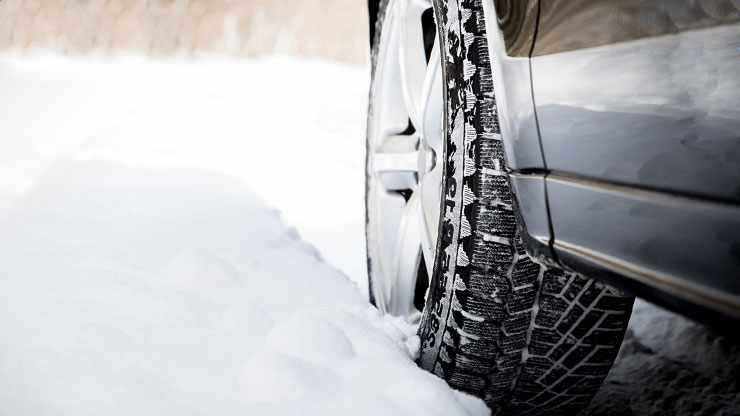
LIQUID RUBBER is used in various tire applications with exceptional properties.
Aladdin has developed several high-vinyl grades for peroxide curing and Liquid Isoprene Rubber grades for EPDM applications. At the same time, the volatile organic compound (VOC) content of the products is reduced. Possible applications include sanitary components, as LIQUID RUBBER/EPDM compounds can meet local drinking water regulations.
There are three types of LIQUID RUBBER based on the following:
- Liquid Polybutadiene Rubber (L-BR)
- Liquid Polyisoprene Rubber (L-IR)
- Liquid Polystyrene-Butadiene Rubber (L-SBR)
The types are available from low to high molecular weight variations and some feature functionalized groups.
Functionalized Grades
Malenized L-IR (403) & Carboxylated L-IR (410)
Aladdin has developed selected copolymers with high molecular weight and different functionalities. Malenized L-IR-403 and Carboxylated L-IR-410 are carboxylated liquid isoprene rubbers (L-IR) that can improve the adhesion of rubbers to metal and the dispersion of fillers in rubbers. Applications of L-IR-403 and L-IR-410 include automotive sealants, coatings and adhesives, as well as hot melt adhesives/PSA (SIS, SBS, EVA).
Carboxyl groups generally have reactivity or affinity to polar substances, so these types are expected to have an additional function besides plasticizing effect and vulcanizability. Both types can improve the adhesion properties of rubber to various metals in addition to the reactive plasticizer function. The adhesive properties are stable even after heat aging.

L-IR-403

L-IR-410
UV-Curable L-IR
The field of application for UV-curable L-IR is pressure-sensitive adhesives (UV-curable adhesives). The material is characterized by good flexibility, which comes from the polyisoprene structure and, in addition to good low-temperature properties, also has a low shrinkage ratio. Moisture absorption and permeation resistance are good. In addition to its excellent adhesive properties, UV-curable L-IR also has insulating properties.

UC-102M | UC-203M
|
规格
英文名称
Liquid Polyisoprene Rubber (L-IR)
储存条件
室温
运输条件
常规运输
名称和识别符
分子类型
聚合物
技术文档
高级数据
质检证书(CoA,COO,BSE/TSE 和分析图谱)
技术文档和文章
溶液计算器
产品仅提供给经过验证的企业、机构和合格的专业人员用于研发。不适用于人类、动物、诊断或治疗。
Copyright © 2023至今 上海阿拉丁生化科技股份有限公司 保留所有权利。


 危险品化学品经营许可证(带存储)