
计算溶液所需的质量、体积或浓度。
为什么选择此级别
,适用于对基线干扰要求严格的色谱和分析工作流程。
储存与运输
室温。 。请查阅批次 COA 获取详细规格。
质量文档
SDS、COA、产品数据表及规格说明书均可下载。可通过批号查询获取批次 COA。
文献证明
在色谱分析、有机合成和交叉偶联反应领域已被 20 篇同行评审文献引用。
概述
应用
研究表明氧化铟锡纳米粒子可用于: 透明电极(1) 导电纸和有机污染物的形成(2) 透明导电氧化物膜和磁性纳米复合材料的形成(3) 电致变色材料以及生物医学应用(4)
Application
Indium Tin oxide nanoparticles have been investigated for use in the following: transparent electrodes(1) the formation of conductive paper and organic contaminants (2) the formation of transparent conductive oxide films and magnetic nanocomposites(3) electrochromic materials and as well as in biomedical applications(4)
规格
别名
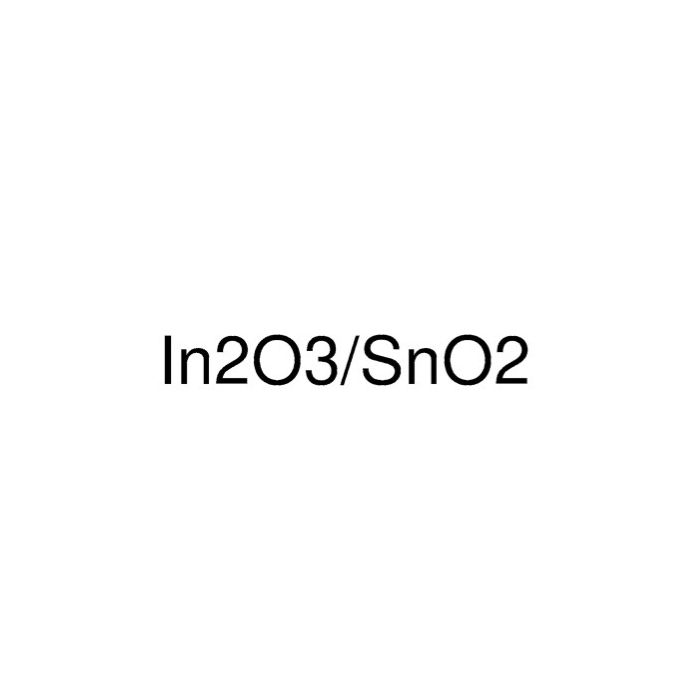
ITO, 氧化铟锡
英文别名
Indium tin oxide, ITO
规格或纯度
30nm(SEM)
英文名称
Indium tin oxide(ITO)
储存条件
室温
名称和识别符
技术文档
高级数据
化学和物理性质
密度
1.2g/mLat 25°C (lit.)
沸点
82 °C
熔点
1910 °C (lit.)
安全和危险性(GHS)
信号词
警告
危险声明
H335: 可能引起呼吸道刺激
H351: 怀疑引起遗传缺陷
预防措施声明
P201: 使用前获取特殊说明
P202: 在阅读并理解所有安全预防措施之前,不要进行操作。
P261: 避免吸入灰尘/烟雾/气体/雾/蒸汽/喷雾
P271: 仅在室外或通风良好的地方使用。
P281: 根据需要使用个人防护设备。
P304+P340: 如误吸入:将人转移到空气新鲜处,保持呼吸舒适体位。
P308+P311: 如接触到或有疑虑:呼叫急救中心/医生。
P403+P233: 存放在通风良好的地方。保持容器密闭。
WGK Germany
3
Class
3
个人防护装备
dust mask type N95 (US), Eyeshields, Gloves
质检证书(CoA,COO,BSE/TSE 和分析图谱)
C of A & Other Certificates(BSE/TSE, COO):
输入批号以搜索分析图谱:
技术文档和文章
High-Refractive-Index vs Low-Refractive-Index Coating Materials: From AR/Waveguide Principles to a Formulation & Material-Selection Map (Including Product Category Tables A/B/C)
目录: 技术文章
Post-Transition Metals and Their Salts: A Classification Guide from Definitions to Value-Chain Applications (Including Product Lists in Tables 1–4)
目录: 技术文章
Light-Emitting Polymers (LEPs): A Practical Panorama - A Core PL/EL Mechanistic Framework, Material Family Map, and Structural “Design Knobs” (including Product Tables 1–4 and a selection guide)
目录: 技术文章
Ceramic Materials Guide: Basic Definitions, Classification Framework, and Research-Task-Oriented Selection (with Product Navigation and Tables 1–4)
目录: 技术文章
Self-Assembled Nanodielectrics (SANDs): Self-Assembled Nanodielectric Layers for Low-Voltage Thin-Film Transistors (with Product Selection Guide)
目录: 技术文章
From ICMA to ICBA/ICTA: Structural Modulation and Device Performance of Indene-C60 Adduct Acceptors
目录: 技术文章
How ZnO Nanoparticle Electron Transport Layers Reduce Dark Current in Organic Photodetectors: Mechanisms, Film Quality, and Material Selection
目录: 技术文章
此产品的引用文献
溶液计算器
相关产品
氧化铟锡(ITO)-PrimorTrace™, ≥99.99% metals basis, ≤45um,用于 各种应用,CAS:50926-11-9
氧化铟锡(ITO)-PrimorTrace™, ≥99.99% metals basis, 50nm,CAS:50926-11-9
氧化铟锡(ITO)-<100 nm 粒径(DLS), 30 wt. % 异丙醇溶液,CAS:50926-11-9
氧化铟锡(ITO)-≥99.9% metals basis, 50nm,CAS:50926-11-9
氧化铟锡(ITO)-≥99.9% metals basis, 50-300nm,CAS:50926-11-9
氧化铟锡(ITO)-≥99.99% metals basis, sputtering target, diam. × thickness 3.00 in. × 0.125 in.,CAS:50926-11-9
氧化铟锡(ITO)-≥99.5% metals basis, 20 wt. % in H2O,CAS:50926-11-9
氧化铟锡(ITO)-≥99% metals basis, <50nm,CAS:50926-11-9
氧化铟锡涂层玻璃载玻片,方形-表面电阻率8-12Ω/sq,CAS:50926-11-9
氧化铟锡涂层玻璃载玻片,方形-表面电阻率70-100Ω/sq,CAS:50926-11-9
氧化铟锡涂覆的矩形玻片-表面电阻率70-100Ω/sq,载物玻璃片,CAS:50926-11-9
氧化铟锡涂覆的矩形玻片-表面电阻率8-12Ω/sq,载物玻璃片,CAS:50926-11-9
氧化铟锡涂覆的矩形玻片-表面电阻率15-25Ω/sq,载物玻璃片,CAS:50926-11-9
氧化铟锡涂覆的铝硅酸盐玻片-表面电阻率5-15Ω/sq,载物玻璃片,CAS:50926-11-9
氧化铟锡(ITO)-≥99.5% trace metals basis, 20 wt. % in H2O,CAS:50926-11-9
产品仅提供给经过验证的企业、机构和合格的专业人员用于研发。不适用于人类、动物、诊断或治疗。
Copyright © 2023至今 上海阿拉丁生化科技股份有限公司 保留所有权利。


 危险品化学品经营许可证(带存储)