
Structural Characteristics, Biological Activities, and Research Methods of Marine Natural Products
Structural Characteristics, Biological Activities, and Research Methods of Marine Natural Products
Marine natural products (MNPs) are bioactive metabolites produced by marine microorganisms, algae, invertebrates, and other marine organisms. They are characterized by novel molecular scaffolds, complex stereochemical structures, a high abundance of halogenated compounds, and diverse biological activities. These compounds can act on protein phosphatases, ion channels, microtubules, actin, protein translation systems, and organelle functions and represent important chemical resources for antitumor, anti-infective, anti-inflammatory, and neuromodulatory research.
Keywords: marine natural products; marine microorganisms; sponges; marine algae; alkaloids; terpenoids; peptides; antitumor activity; anti-infective activity; mechanism of action
1 Biological Sources and Structural Characteristics of Marine Natural Products
1.1 Major Sources of Marine Natural Products
Marine natural products can be derived from marine bacteria, cyanobacteria, actinomycetes, fungi, dinoflagellates, macroalgae, sponges, cnidarians, bryozoans, mollusks, tunicates, and echinoderms. Among these sources, sponges and cnidarians are major contributors of natural products from marine invertebrates, whereas marine fungi and actinomycetes are important sources of bioactive metabolites from marine microorganisms. Some compounds isolated from large marine organisms such as sponges and tunicates may actually be synthesized by symbiotic microorganisms. Therefore, their true biosynthetic origins should be confirmed through microbial isolation and culture, biosynthetic gene-cluster analysis, and stable-isotope tracing.
1.2 Effects of the Marine Environment on Elemental Composition
Seawater contains relatively high concentrations of bromide and chloride ions, and marine organisms possess catalytic systems such as haloperoxidases and flavin-dependent halogenases. Therefore, brominated and chlorinated compounds occur at relatively high frequencies among marine natural products. Some compounds are also rich in heteroatoms such as nitrogen and sulfur and can form halogenated alkaloids, sulfur-containing steroids, and complex aliphatic compounds. Compounds such as Manzamine A, Clionastatin A, Majusculoic acid, and Squalamine illustrate the distinctive elemental compositions and biosynthetic pathways of marine natural products.
1.3 Scaffold and Stereochemical Characteristics
Marine natural products often possess complex polyether, macrocyclic, bridged-ring, fused-ring, spirocyclic, and long-chain scaffolds and contain numerous stereogenic centers. Maitotoxin has an exceptionally long polyether scaffold and a large number of stereocenters, while Halichondrin B also possesses a highly complex polycyclic structure. Complex three-dimensional conformations facilitate multipoint interactions between compounds and protein-binding pockets or protein surfaces but also increase the difficulty of structural elucidation, confirmation of bioactive conformations, and chemical synthesis.
2 Major Types and Activity Characteristics of Marine Natural Products
2.1 Terpenoids, Polyketides, and Polyethers
Marine terpenoids include monoterpenes, sesquiterpenes, diterpenes, steroid derivatives, and related compounds, some of which also contain quinone groups, halogens, or nitrogen-containing side chains. Polyketides and polyethers generally possess continuous oxygen-containing ring systems, long-chain scaffolds, and complex stereochemical configurations and can regulate protein phosphatases, ion channels, microtubules, and organelle functions. Ilimaquinone is a sesquiterpene quinone, Okadaic acid is a polyether toxin that inhibits protein phosphatases, and Halichondrin B and Discodermolide are mainly used in studies of microtubule dynamics.
2.2 Peptides, Cyclic Peptides, and Depsipeptides
Marine microorganisms, cyanobacteria, tunicates, and mollusks can produce various linear peptides, cyclic peptides, lipopeptides, and depsipeptides. These compounds generally possess stable conformationally constrained structures and can act on ion channels, protein translation systems, microtubules, or proteases. Ziconotide is derived from a cone-snail toxin peptide and blocks N-type voltage-gated calcium channels; Didemnin B is a tunicate-derived depsipeptide that affects protein translation and cell proliferation; and Dolastatin 10 and its derivatives are mainly used in studies of microtubules, the cell cycle, and antibody-drug conjugate payloads.
2.3 Alkaloids, Polyphenols, and Carotenoids
Marine alkaloids commonly contain fused, bridged, or nitrogen-containing heterocyclic structures and can exhibit antitumor, anti-infective, and neuromodulatory activities. Manzamine A and Aaptamine are representative sponge-derived alkaloids. Marine algae can produce phlorotannin polyphenols such as Dieckol and carotenoids such as Fucoxanthin, which are mainly used in studies of oxidative stress, inflammatory responses, tumor-cell migration, and metabolic injury.
Table 1 Representative Marine Natural Products and Their Major Research Directions
Compound | Major Source | Compound Type | Major Activity or Research Direction |
Manzamine A | Sponge | Polycyclic alkaloid | Antitumor, anti-infective, and antimalarial research |
Ilimaquinone | Sponge | Sesquiterpene quinone | Mitochondria-associated apoptosis, antibacterial, and anti-inflammatory research |
Dieckol | Brown algae | Phlorotannin polyphenol | Tumor migration, antiglycation, and oxidative-stress research |
Fucoxanthin | Brown algae and microalgae | Carotenoid | Antiproliferative, anti-inflammatory, and drug-sensitivity research |
Didemnin B | Tunicate | Depsipeptide | Protein synthesis and tumor-cell proliferation research |
Squalamine | Marine fish tissues | Aminosterol | Antimicrobial, antiviral, and antiangiogenic research |
Aaptamine | Sponge | Alkaloid | Analgesic, antioxidant, and antiviral research |
Latrunculin B | Sponge | Macrocyclic natural product | Actin polymerization, cell migration, and membrane-trafficking research |
Okadaic acid | Marine dinoflagellates and organisms in associated food chains | Polyether toxin | Protein phosphatase, cell-cycle, and Tau-phosphorylation research |
Ziconotide | Cone-snail toxin derivative | Peptide | N-Type voltage-gated calcium-channel and pain research |
3 Antitumor Effects of Marine Natural Products
3.1 Ilimaquinone-Induced Tumor-Cell Apoptosis
Ilimaquinone is a sesquiterpene quinone isolated from sponges. In HCT-116 colon cancer cells, Ilimaquinone can decrease mitochondrial membrane potential and regulate Bcl-2-family and caspase-associated apoptotic signaling, indicating that it can promote apoptosis through mitochondria-associated pathways. Because Ilimaquinone can also affect Golgi structure and organelle trafficking, mechanistic studies need to distinguish direct target effects, organelle stress, and secondary apoptotic signaling.
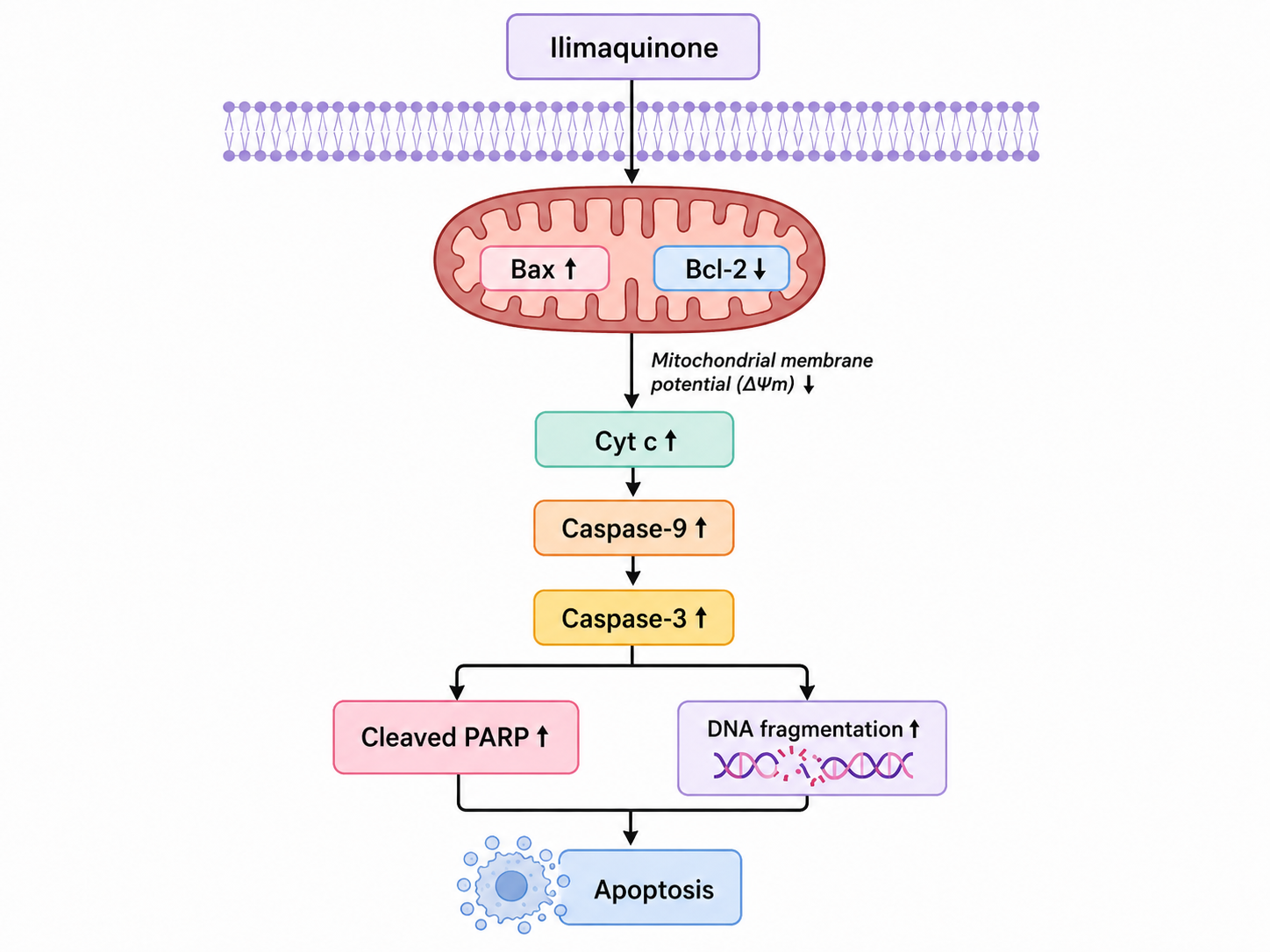
Figure 1 Mechanism of Ilimaquinone-induced apoptosis through the mitochondrial pathway
3.2 Dieckol-Mediated Inhibition of Tumor-Cell Migration and Invasion
Dieckol is a phlorotannin polyphenol derived from brown algae. Relevant studies have shown that Dieckol can inhibit Rac1 activation and intracellular reactive oxygen species generation and attenuate focal adhesion kinase-associated signaling, thereby reducing the migration and invasion of HT1080 cells. This process involves coordinated regulation of redox status, actin-cytoskeleton remodeling, and cell-adhesion signaling and can be validated through Rac1 activity assays, ROS measurements, focal-adhesion protein phosphorylation analysis, and cell-migration experiments.
3.3 Fucoxanthin-Mediated Regulation of Antitumor Drug Sensitivity
Fucoxanthin is a carotenoid found in brown algae and certain microalgae and has antioxidant, anti-inflammatory, and antiproliferative activities. In HepG2 cell models, Fucoxanthin pretreatment can enhance cellular responses to Cisplatin, suggesting that it may influence drug sensitivity by regulating oxidative stress, cell survival, and apoptosis. Such combination studies should include a Fucoxanthin-alone group, a Cisplatin-alone group, a simultaneous-treatment group, and a sequential-treatment group and should combine combination-index analysis, colony-formation assays, and normal-cell toxicity evaluation to distinguish synergistic effects from additive toxicity.
3.4 Marine-Derived Antitumor Lead Structures and Their Derivatives
(1) Trabectedin
Trabectedin, also known as ET-743, is a marine natural product originally isolated from a tunicate and is currently produced mainly through a semisynthetic process. It binds the minor groove of DNA and affects transcriptional regulation, DNA damage responses, and nucleotide-excision repair and can be used in studies of DNA-repair defects, transcription-dependent damage, and tumor-cell responses.
(2) Eribulin
Eribulin is a microtubule inhibitor obtained by simplifying the pharmacophoric structure of Halichondrin B. It inhibits microtubule growth and induces mitotic arrest. This compound illustrates a design strategy in which the key pharmacophore of a complex natural product is retained, unnecessary structures are removed, and synthetic difficulty is reduced.
(3) Auristatin Compounds
Monomethyl auristatin E and Monomethyl auristatin F are derived from Dolastatin 10-related structures and inhibit tubulin polymerization. Because the free compounds are highly cytotoxic, these molecules are mainly used as antibody-drug conjugate payloads in studies of antigen-dependent internalization, linker cleavage, intracellular payload release, and microtubule-inhibitory effects.
4 Anti-Infective, Anti-Inflammatory, and Neuromodulatory Effects of Marine Natural Products
4.1 Membrane Effects and Anti-Infective Activity of Squalamine
Squalamine is a marine-derived aminosterol containing both a hydrophobic steroid scaffold and a positively charged polyamine side chain. It can interact with negatively charged membrane components and affect microbial membrane stability and the function of membrane-associated proteins. Its anti-infective effects can be analyzed through assays of membrane permeability, membrane potential, viral entry, viral replication, and host-cell toxicity to distinguish direct membrane effects, host-membrane remodeling, and specific antiviral effects.
4.2 Regulation of Oxidative Stress and Inflammation by Fucoxanthin
In cigarette smoke-associated bronchial epithelial injury models, Fucoxanthin can reduce reactive oxygen species accumulation, lactate dehydrogenase release, and inflammatory mediator production, indicating that it can regulate inflammatory responses by attenuating oxidative stress and cellular injury. Experimental evaluation should simultaneously examine cell viability, plasma-membrane integrity, ROS levels, antioxidant systems, and inflammatory signaling to avoid directly interpreting general cytoprotective effects as specific anti-inflammatory mechanisms.
4.3 Antiglycation and Metabolic-Injury Regulation by Dieckol
In methylglyoxal-induced cell-injury models, Dieckol can reduce the accumulation of reactive oxygen species, methylglyoxal, and advanced glycation end products and affect signaling associated with the receptor for advanced glycation end products. Dieckol can also inhibit collagen glycation and can therefore be used in studies of glycation stress, extracellular-matrix injury, and metabolism-related tissue damage. Relevant experiments need to distinguish among direct methylglyoxal trapping, inhibition of AGE formation, and regulation of cellular antioxidant systems.
4.4 Neuromodulatory Effects of Aaptamine and Ziconotide
(1) Aaptamine
Aaptamine is a sponge-derived alkaloid that can alleviate nociceptive sensitization, allodynia, and hyperalgesia in chronic constriction injury models, accompanied by reduced spinal expression of VEGF, CD31, and LDHA. These findings suggest that angiogenesis- and lactate-metabolism-associated processes may contribute to its antinociceptive effects, but they do not establish a direct molecular target.
(2) Ziconotide
Ziconotide is a synthetic form of the cone-snail toxin peptide ω-conotoxin MVIIA and can block neuronal N-type voltage-gated calcium channels, thereby reducing calcium influx into presynaptic terminals and the release of excitatory neurotransmitters. Its mechanism of action is relatively well defined, and it can be used in studies of calcium-channel function, synaptic transmission, and pain signaling.
5 Ecological Functions and Sources of High Biological Activity in Marine Natural Products
5.1 Chemical Defense in Marine Organisms
Many sponges, tunicates, corals, and algae lack hard shells or rapid locomotion and therefore depend on chemical substances to defend against predators, pathogenic microorganisms, and fouling organisms. Secondary metabolites with bitter taste, toxicity, or cytostatic activity can reduce predation and inhibit the colonization of bacteria, fungi, and other marine organisms on their surfaces. Therefore, some marine natural products exhibiting antibacterial, cytotoxic, or ion-channel-modulating activity may originally function as chemical molecules used by marine organisms for defense and survival.
5.2 Competition for Space and Nutrients
Biological density is high in environments such as coral reefs, marine sediments, and sponge interiors, whereas attachment space, light, and nutrients are limited. Marine microorganisms, algae, and invertebrates can produce metabolites that inhibit the growth, attachment, or reproduction of surrounding organisms, thereby improving their competitiveness for space and nutrient resources. Such chemical competition promotes the formation of antibacterial agents, cell-proliferation inhibitors, and signaling modulators and makes marine natural products an important source of molecules with anti-infective and antitumor activities.
5.3 Participation of Symbiotic Microorganisms in Natural-Product Biosynthesis
Sponges, tunicates, and corals commonly harbor symbiotic microorganisms such as bacteria, actinomycetes, cyanobacteria, and fungi. Some natural products initially isolated from marine invertebrates may actually be synthesized by symbiotic microorganisms or produced through biotransformation jointly performed by the host and microorganisms. Biosynthetic systems including polyketide synthases, nonribosomal peptide synthetases, and halogenases can combine different structural units to generate complex molecules such as polyketides, peptides, alkaloids, and halogenated compounds.
5.4 Common Basis of High Activity and Toxicity
Marine natural products can act on essential cellular processes required for survival, including microtubules, actin, protein phosphatases, proteasomes, ion channels, and protein translation systems. Potent regulation of these targets allows some compounds to exhibit antitumor, anti-infective, or analgesic activity but may also cause substantial toxicity. Therefore, the research value of highly active marine natural products cannot be determined solely from in vitro inhibitory effects and should also be evaluated according to target selectivity, normal-cell toxicity, and the effective dose range.
6 Research Products Related to Marine Natural Products and Their Derivatives
Table 2 Representative Marine Natural Product Research Products
Name | CAS No. | Compound Type or Major Source | Major Mechanism of Action | Main Research Application |
Okadaic acid | Marine polyether toxin | Inhibits serine/threonine protein phosphatases including PP2A and PP1 | Protein phosphorylation, Tau hyperphosphorylation, cell-cycle, and signal-transduction research | |
Pristane | Natural branched-chain hydrocarbon | Induces persistent immune stimulation and chronic inflammatory responses | Establishment of arthritis, autoimmune, plasmacytoma, and inflammation models | |
Ilimaquinone | Sponge-derived sesquiterpene quinone | Affects organelle function and mitochondria-associated apoptotic signaling | Tumor-cell apoptosis, organelle stress, antibacterial, and anti-inflammatory research | |
Dieckol | Brown-algae-derived phlorotannin polyphenol | Regulates ROS, Rac1, and focal adhesion kinase-associated signaling | Tumor migration, oxidative stress, antiglycation, and metabolic-injury research | |
Fucoxanthin | Carotenoid derived from brown algae and microalgae | Regulates oxidative stress, inflammation, and cell-survival-associated pathways | Antiproliferative, anti-inflammatory, metabolic-regulation, and combination-treatment research | |
Didemnin B | Tunicate-derived depsipeptide | Inhibits protein translation and affects cell proliferation | Tumor pharmacology, translation regulation, and cell-death research | |
Squalamine | Marine-derived aminosterol | Interacts with membrane components and affects microbial and angiogenic processes | Antiviral, antibacterial, membrane-biology, and angiogenesis research | |
Latrunculin B | Sponge-derived macrocyclic natural product | Binds actin monomers and inhibits actin polymerization | Cytoskeleton, cell migration, endocytosis, membrane trafficking, and electrophysiology research | |
Bryostatin 1 | Macrolide originally isolated from a bryozoan and biosynthesized by its bacterial symbiont | Modulates protein kinase C isoform activity and downstream signaling | PKC signaling, tumor, neuroprotection, and immune-regulation research | |
Dolastatin 10 | Peptide natural product originally isolated from a sea hare and biosynthesized by marine cyanobacteria | Inhibits tubulin polymerization | Microtubule, cell-cycle, tumor-pharmacology, and ADC-payload research | |
Salinosporamide A | β-Lactone-γ-lactam derived from a marine actinomycete | Irreversibly inhibits proteasome catalytic subunits | Proteasome function, protein homeostasis, and tumor-pharmacology research |
Table 3 Marine-Derived Drug Derivatives and Research Tool Products
Name | CAS No. | Marine Origin or Structural Basis | Major Mechanism of Action | Main Research Application |
Cytarabine | Arabinose nucleoside analog inspired by sponge nucleosides | Incorporates into DNA and inhibits DNA polymerase | DNA replication, nucleoside metabolism, and hematologic-tumor research | |
Vidarabine | Purine nucleoside analog inspired by sponge nucleosides | Inhibits viral DNA polymerase and DNA synthesis | Viral replication, nucleoside metabolism, and antiviral-mechanism research | |
Trabectedin | Marine natural product originally isolated from a tunicate and currently produced mainly by semisynthesis | Binds the DNA minor groove and affects transcription and DNA repair | DNA damage response, transcriptional regulation, and tumor-pharmacology research | |
Plitidepsin | Tunicate-derived depsipeptide | Targets eEF1A and affects protein translation and cellular stress | Translation regulation, protein homeostasis, and tumor-mechanism research | |
Monomethyl auristatin E | Dolastatin 10-derived microtubule inhibitor | Inhibits tubulin polymerization | ADC payload, cell-cycle, and targeted-delivery research | |
Monomethyl auristatin F | Dolastatin 10-derived microtubule inhibitor | Inhibits microtubule formation and induces mitotic arrest | ADC payload, linker release, and cytotoxicity research |
The complex structures and high biological activities of marine natural products arise from the long-term defensive, competitive, and symbiotic relationships of marine organisms. Clarifying the biological origin, structural type, and major mechanism of action of each compound can facilitate the identification of marine bioactive molecules with clearly defined mechanisms and research value.
References
[1] Guzmán EA, et al. A novel activity from an old compound: Manzamine A reduces the metastatic potential of AsPC-1 pancreatic cancer cells and sensitizes them to TRAIL-induced apoptosis. Invest New Drugs. 2011;29(5):777-785.
[2] Sills AK Jr, et al. Squalamine inhibits angiogenesis and solid tumor growth in vivo and perturbs embryonic vasculature. Cancer Res. 1998;58(13):2784-2792.
[3] Sung CS, et al. Antinociceptive Effects of Aaptamine, a Sponge Component, on Peripheral Neuropathy in Rats. Mar Drugs. 2023;21(2):113. Published 2023 Feb 4.
[4] Carroll AR, et al. Marine natural products. Nat Prod Rep. 2022;39(6):1122-1171. Published 2022 Jun 22.
[5] Surti M, et al. Ilimaquinone (Marine Sponge Metabolite) Induces Apoptosis in HCT-116 Human Colorectal Carcinoma Cells via Mitochondrial-Mediated Apoptosis Pathway. Mar Drugs. 2022;20(9):582.
[6] Park SJ, et al. Dieckol from Ecklonia cava suppresses the migration and invasion of HT1080 cells by inhibiting the focal adhesion kinase pathway downstream of Rac1-ROS signaling. Mol Cells. 2012;33(2):141-149.
[7] Cho CH, et al. Dieckol, Derived from the Edible Brown Algae Ecklonia cava, Attenuates Methylglyoxal-Associated Diabetic Nephropathy by Suppressing AGE-RAGE Interaction. Antioxidants (Basel). 2023;12(3):593.
[8] Liu CL, et al. Fucoxanthin enhances cisplatin-induced cytotoxicity via NFκB-mediated pathway and downregulates DNA repair gene expression in human hepatoma HepG2 cells. Mar Drugs. 2013;11(1):50-66.
For more related articles, please see below:
[2] Molecular Basis of Glycosylation Modification and Functional Release in Natural Products
[3] 1,3-Thiazole building blocks in natural products and synthetic materials


 危险品化学品经营许可证(带存储)