
计算溶液所需的质量、体积或浓度。
为什么选择此级别
,适用于对基线干扰要求严格的色谱和分析工作流程。
储存与运输
2-8°C储存。低温运输 。请查阅批次 COA 获取详细规格。
质量文档
SDS、COA、产品数据表及规格说明书均可下载。可通过批号查询获取批次 COA。
文献证明
在色谱分析、有机合成和交叉偶联反应领域已被 0 篇同行评审文献引用。
概述
Product Description:
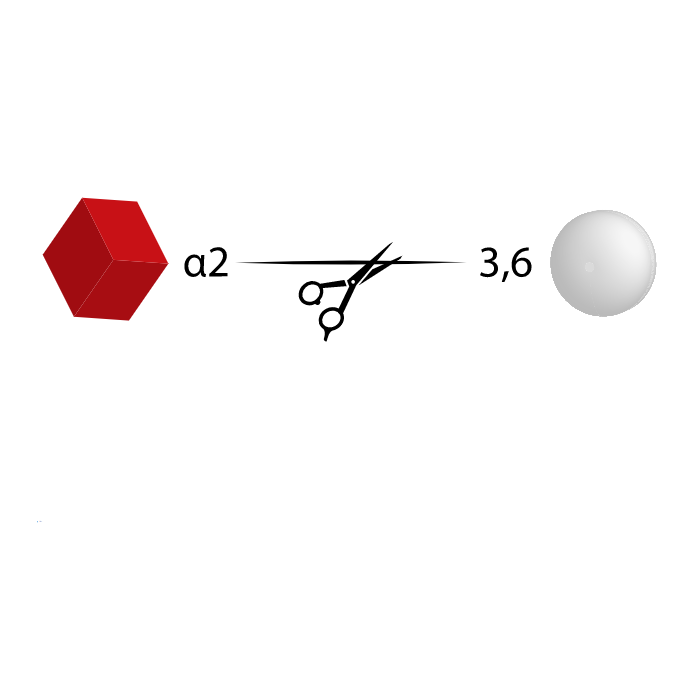
Neuraminidase Cp cleaves all non-reducing terminal non-branched α(2-3) and α(2-6) sialic acid residues from complex carbohydrates and glycoproteins.
Contents
Neuraminidase Cp in 20 mM Tris-HCl, 25 mM NaCl, pH 7.5
Included its 20 µL and 60 µL pack sizes:
5x Reaction Buffer 250 mM sodium phosphate, pH 6.0
Molecular weight
41,000 daltons
pH optimum
6.0, active over the range 4.5-7.
50 mM sodium phosphate (pH 6.0) provides the optimal buffer for enzyme activity with sialyllactose, a standard substrate. If glycosidase treatment is performed at suboptimal pH because of glycoprotein solubility or activity requirements, expect some diminution in enzyme activity.
Specific Activity
One unit of Neuraminidase is defined as the amount of enzyme required to produce 1 µmole of methylumbelliferone in 1 minute at 37°C, pH 5.0 from MU-NANA (2’-(4-methyl-umbelliferyl)-alpha-D-N acetylneuraminic acid].
Specificity
α(2-3,6) Neuraminidase Cp cleaves all non- reducing terminal non-branched &alpha(2-3)- and α(2-6) sialic acid residues from complex carbohydrates and glycoproteins. There is no detectable activity on α (2-8) or α(2-9) linkages or on branched α(2-3) or α(2-6) linkages. The relative cleavage rates for different linkages are: α(2-3) > α(2-6).
α(2-3,6) Neuraminidase Cp will not cleave branched sialic acids (linked to an internal residue). Use α(2-3,6,8,9) Neuraminidase for α(2-8) or branched sialic acids. To cleave only non-reducing terminal α(2-3) unbranched sialic acid residues, use α(2-3) Neuraminidase.
α(2-3,6) Neuraminidase Cp is isolated from a clone of Clostridium perfringens. The enzyme has been extensively characterized using oligosaccharide standards.
Relative activity a-(2-3) > a-(2-6)
Formulation
The enzyme is provided as a sterile-filtered solution in 20 mM Tris-HCl, 25 mM NaCl (pH 7.5).
Stability
Stable at least 12 months when stored properly. Several days exposure to ambient temperatures will not reduce activity.
Purity
Neuraminidase Cp is tested for contaminating protease as follows: 10 µg of denatured BSA is incubated at 37°C for 24 hours with 2 µl of enzyme. SDS-PAGE analysis of the treated BSA shows no evidence of degradation. The production host strain has been extensively tested and does not produce any detectable glycosidases.
Directions for use
1. Add up to 100 µg of glycoprotein or 1 nmol of oligosaccharide to tube.
2. Add de-ionized water to a total of 14 µl.
3. Add 4 µl 5x Reaction Buffer 6.0.
4. Add 2 µl Neuraminidase Cp.
5. Incubate at 37°C for 1 hour.
Desialylation may be monitored by SDS-PAGE if the size differential between native and de-sialylated protein is sufficient for detection.
规格
产品名称
Neuraminidase Cp
别名
神经氨酸酶Cp
英文别名
Sialidase, NANase, N-acetylneuraminate glycohydrolase
规格或纯度
Specific Activity >250 U/mg;Activity 15 U/ml
生物活性
15 U/ml
酶学委员会编号
3.2.1.18
分子类型
酶
产品线
生物产品
储存与运输
浓度
Specific Activity >250 U/mg;Activity 15 U/ml
储存条件
2-8°C储存
运输条件
低温运输
技术文档
高级数据
质检证书(CoA,COO,BSE/TSE 和分析图谱)
C of A & Other Certificates(BSE/TSE, COO):
输入批号以搜索分析图谱:
技术文档和文章
溶液计算器
产品仅提供给经过验证的企业、机构和合格的专业人员用于研发。不适用于人类、动物、诊断或治疗。
Copyright © 2023至今 上海阿拉丁生化科技股份有限公司 保留所有权利。


 危险品化学品经营许可证(带存储)