IgM在正常血浆中的浓度为1.2至4.0mg/ml。它是免疫反应过程中产生的第一个免疫球蛋白,是新生儿的第一个抗体,参与自身免疫性疾病的发病机制。IgM水平降低与Wiskott-Aldrich综合征有关。
由骨髓瘤血浆制备,经美国食品药品监督管理局要求的测试显示,骨髓瘤血浆对HBsAg、抗HCV、抗HBc无反应,对抗HIV 1和2呈阴性。
产品引用:
Laurent L, et al. IgM rheumatoid factor amplifies the inflammatory response of macrophages induced by the rheumatoid arthritis-specific immune complexes containing anticitrullinated protein antibodies.
Ann Rheum Dis. 2015 Jul;74(7):1425-31. doi: 10.1136/annrheumdis-2013-204543. Epub 2014 Mar 11.
Serum IgM is a pentameric or hexameric macro-immunoglobulin that serves as the first-line defense in humoral immunity. Constituting 1.2–4.0 mg/mL in plasma, it features 10–12 antigen-binding sites, enabling high-avidity interactions with pathogens, particularly non-protein antigens like microbial carbohydrates and lipids. As the earliest antibody produced during infection and the primary immunoglobulin in neonates, IgM activates the classical complement pathway through C1 binding, promoting opsonization and pathogen lysis. Its inability to cross the placenta makes elevated neonatal IgM a marker for intrauterine infections.
Common research uses
IgM plays dual roles in autoimmune pathology. While natural IgM aids homeostasis by clearing cellular debris, autoreactive IgM drives diseases like cold agglutinin disease and idiopathic thrombocytopenic purpura through erythrocyte or platelet targeting 4. Deficiencies manifest in Wiskott-Aldrich syndrome (linked to thrombocytopenia and recurrent infections) and Hyper IgM syndromes, characterized by impaired class-switching and susceptibility to Pneumocystis pneumonia, cryptosporidiosis, and malignancies. Clinically, IgM serves diagnostic and therapeutic purposes. It indicates recent infections through serological testing and helps identify autoimmune conditions via autoantibody detection. Intravenous immunoglobulin (IVIG) preparations containing IgM are used for immune thrombocytopenic purpura and Guillain-Barré syndrome, leveraging IgM’s immunomodulatory properties.
Common uses include ELISA standards, IVD Assay standards, calibrators and controls, therapeutics research, immune system research.
Extinction Coefficient (E) = 1.18, 0.1% at 280nm, 1cm

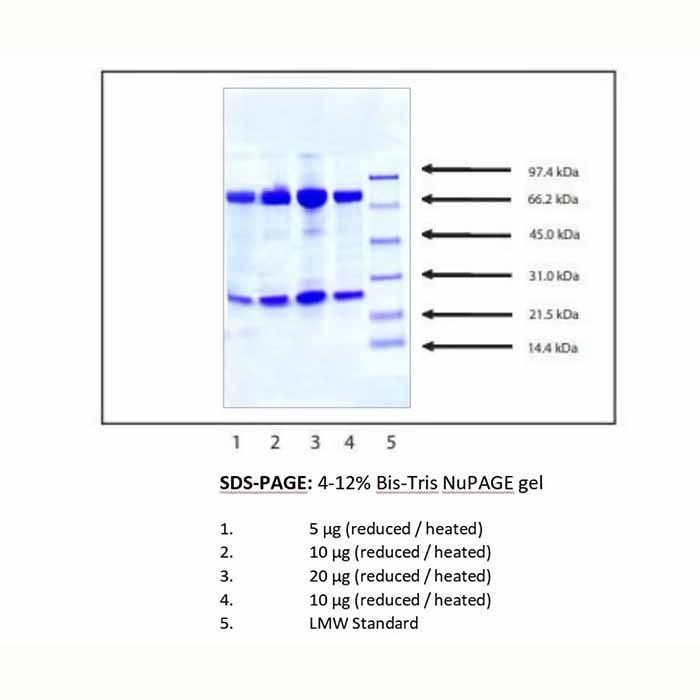
 ZJ26F0838431


 危险品化学品经营许可证(带存储)