
计算溶液所需的质量、体积或浓度。
脱铁转铁蛋白 来源于大鼠血浆
有货
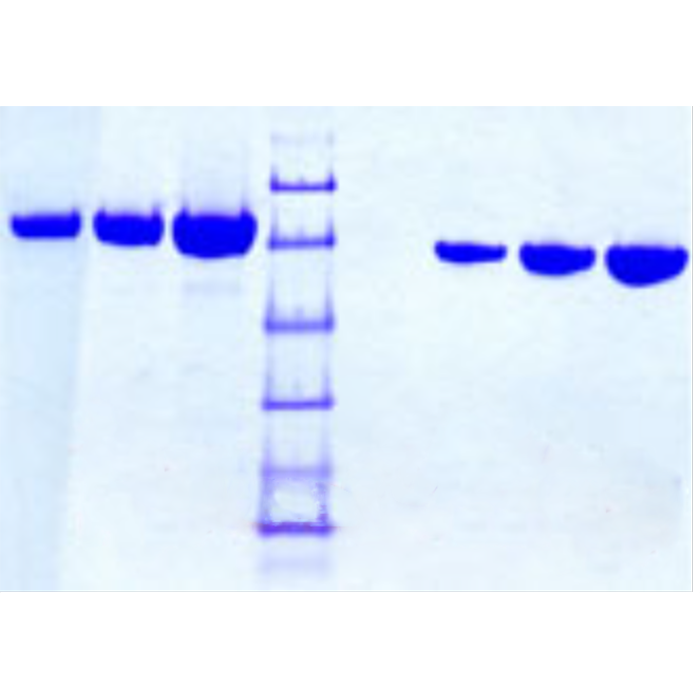
冻干粉,天然 级 提供 ≥95%(SDS-PAGE) 纯度,适用于对基线干扰要求严格的色谱和分析工作流程。
-20°C储存,避免反复冻融。超低温运输 。请查阅批次 COA 获取详细规格。
SDS、COA、产品数据表及规格说明书均可下载。可通过批号查询获取批次 COA。
在色谱分析、有机合成和交叉偶联反应领域已被 19 篇同行评审文献引用。
脱铁转铁蛋白是转铁蛋白的无铁形式,为血浆中必需三价铁离子的主要转运载体。脱铁转铁蛋白可通过螯合游离铁抑制微生物增殖,是无血清培养基的重要添加组分。
蛋白生物学功能
脱铁转铁蛋白是糖蛋白转铁蛋白的无铁形态,依靠 pH 依赖机制在血浆中结合并转运三价铁离子(Fe³⁺),是机体全身铁稳态的关键调控因子。该蛋白结构含有两个铁结合位点。除主要的铁转运功能外,脱铁转铁蛋白可通过捕获游离铁限制微生物生长,进而调节免疫功能;还可在 1 型糖尿病等自身免疫病中直接抑制促炎细胞因子的生成。
临床方面,由 TF 基因突变引发的先天性无转铁蛋白血症,表现为严重小细胞贫血并伴随组织铁过载,患者需终身进行脱铁转铁蛋白替代治疗。
生物技术领域,超纯化脱铁转铁蛋白(铁含量<0.01%,铁结合能力 1.25 μg/mg)是细胞培养的必需添加剂:通过转铁蛋白受体介导的胞吞作用促进细胞摄铁,同时避免氧化应激。近年研究利用其靶向特性构建纳米药物递送系统用于肿瘤治疗,也可作为抗菌佐剂,提升抗生素对革兰氏阴性菌的药效。该蛋白可溶于水溶液(溶解度 10 mg/mL),在生理条件下稳定性良好,因此可用于诊断检测以及生物制药生产的生物反应器培养基。
ApoTransferrin is the iron-free form of transferrin, serves as the primary plasma transporter of essential Fe³⁺. Apotransferrin limits microbial growth by sequestering free iron, and can be an important supplement for serum free media.
Role of protein in biology
Apotransferrin, the iron-free form of the glycoprotein transferrin, serves as a critical regulator of systemic iron homeostasis by binding and transporting ferric ions (Fe³⁺) through plasma via a pH-dependent mechanism. It exhibits a structure with two iron-binding sites. Beyond its primary role in iron distribution, apotransferrin modulates immune function by sequestering free iron to limit microbial growth and directly suppresses proinflammatory cytokine production in autoimmune conditions like type 1 diabetes. Clinically, congenital atransferrinemia-caused by TF gene mutations-manifests as severe microcytic anemia coupled with tissue iron overload, requiring lifelong apotransferrin replacement therapy.
In biotechnology, ultra-purified apotransferrin (<0.01% iron content, 1.25 μg/mg iron-binding capacity) serves as an essential cell culture supplement, facilitating iron uptake through transferrin receptor-mediated endocytosis while preventing oxidative stress. Recent applications exploit its targeting potential in nanoparticle drug delivery systems for cancer therapeutics and as an antimicrobial adjuvant to enhance antibiotic efficacy against Gram-negative pathogens. The protein's solubility (10 mg/ml in aqueous solutions) and stability under physiological conditions enable its use in diagnostic assays and bioreactor media for biopharmaceutical production.
| ALogP | -2.5 |
|---|


 危险品化学品经营许可证(带存储)