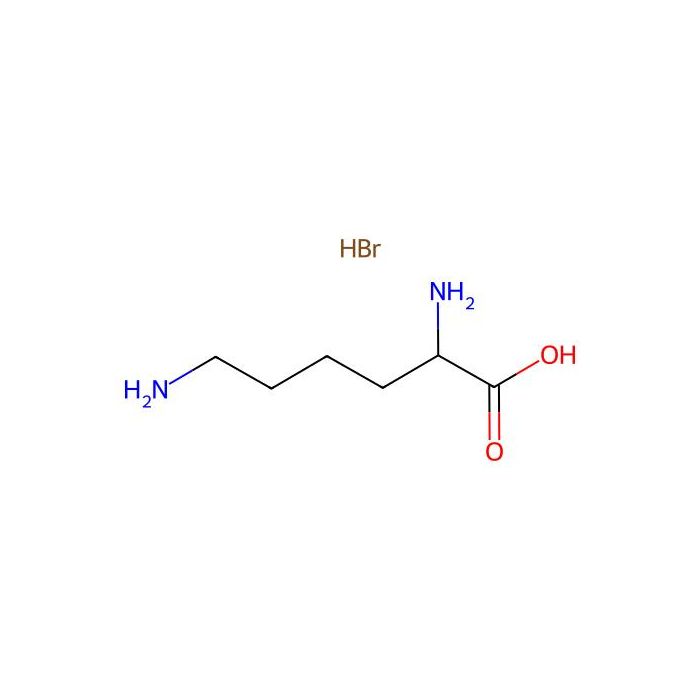
多聚赖氨酸(D型)英文名为Poly-D-lysine,简称 PDL。本 Poly-D-lysine 为 Poly-D-lysine hydrobromide,分子式为 D-Lys-(D-Lys)n-D-Lys·xHBr,分子量为 150,000-300,000,CAS Number 27964-99-4。
本产品为已经配制好的多聚赖氨酸D型溶液,并经过滤除菌处理,可以直接稀释后用于细胞或组织培养方面的实验。本产品适用于组织学,免疫组织化学,冰冻切片,细胞涂片,原位杂交等实验中玻片的防脱片处理,以防实验操作过程中组织掉片。也可用于细胞培养,增加细胞贴壁能力。
Poly-D-lysine 和 Poly-L-lysine 都可以用于促进细胞的贴壁生长。Poly-L-lysine 可以被某些细胞所消 化并吸收,摄入过多的Poly-L-lysine会产生一定的细胞毒性。如果遇到Poly-L-lysine有细胞毒性的情况,可以考虑选购Poly-D-lysine。
使用说明:
使用多聚赖氨酸进行细胞相关包被实验,需根据不同的细胞系和应用进行包被条件的优化
1、稀释:用无菌纯化水或PBS溶液稀释多聚赖氨酸溶液至工作浓度,一般0.1mg/mL(即 0.01%),即稀释本产品50倍后配成工作液。 2、使用之前将稀释后的多聚赖氨酸溶液放置于室温下,使其温度达到室温18-26℃。
3、包被:
培养器皿(培养瓶、培养皿、培养板):将工作浓度的多聚赖氨酸溶液加入培养器皿,加入量视器皿大小而定,一般而言,能够覆盖住培养器皿的生长面即可。37℃静置2h~4h或室温下静置过夜,无菌操作。去除多聚赖氨酸,用无菌纯化水或PBS溶液洗涤培养器皿,超净台无菌风干后使用。接 种细胞前用培养液洗涤培养器皿1次,然后将细胞接种至包被好培养器皿中。
玻片:将玻片浸在工作浓度的多聚赖氨酸溶液中5分钟,增加时间不会提高包被效果。将玻片置于 60℃烘箱1小时干燥,或室温过夜干燥待用,注意无菌操作。处理过的玻片可常温存放一年。
注意事项:
1、包被之前玻片必须保持清洁,必要时用含1%HCl的70%乙醇溶液来清洗。
2、稀释过的多聚赖氨酸溶液可放在2-8℃,至少3个月内是稳定的。
3、用过的稀释液再次使用时要过滤,若出现浑浊或染菌应丢弃。
4、为了您的安全和健康,请穿实验服并戴一次性手套操作。
Poly-D-lysine (D-type), also known as Poly-D-lysine or abbreviated as PDL. This Poly-D-lysine is Poly-D-lysine hydrobromide, with the molecular formula D-Lys-(D-Lys)n-D-Lys·xHBr, a molecular weight of 150,000–300,000, and CAS Number 27964-99-4.
This product is a ready-to-use Poly-D-lysine solution that has been filter-sterilized. It can be directly diluted for experiments in cell or tissue culture. It is suitable for anti-detachment treatment of slides in histology, immunohistochemistry, frozen sections, cell smears, in situ hybridization, and other experiments to prevent tissue detachment during experimental procedures. It can also be used in cell culture to enhance cell adhesion.
Both Poly-D-lysine and Poly-L-lysine can be used to promote cell adhesion and growth. Poly-L-lysine can be digested and absorbed by certain cells, and excessive intake of Poly-L-lysine may cause some cytotoxicity. If Poly-L-lysine exhibits cytotoxicity in your application, consider using Poly-D-lysine as an alternative.
Instructions for Use
When using Poly-D-lysine for cell-related coating experiments, optimize the coating conditions based on the specific cell line and application.
1.Dilution: Dilute the Poly-D-lysine solution with sterile purified water or PBS to the working concentration, typically 0.1 mg/mL (i.e., 0.01%). This corresponds to a 50-fold dilution of this product to prepare the working solution.
2.Temperature Adjustment: Before use, allow the diluted Poly-D-lysine solution to reach room temperature (18–26°C).
3.Coating:
Culture Vessels (flasks, dishes, plates): Add the working concentration of Poly-D-lysine solution to the culture vessel, with the volume depending on the size of the vessel. Generally, enough solution should be added to cover the growth surface. Incubate at 37°C for 2–4 hours or at room temperature overnight under sterile conditions. Remove the Poly-D-lysine solution and rinse the culture vessel with sterile purified water or PBS. Allow it to dry under sterile airflow in a biosafety cabinet before use. Rinse the vessel once with culture medium before cell seeding, then inoculate cells into the pre-coated vessel.
Slides: Immerse the slides in the working concentration of Poly-D-lysine solution for 5 minutes. Extending the immersion time does not improve coating effectiveness. Dry the slides in a 60°C oven for 1 hour or at room temperature overnight, ensuring sterile handling. Coated slides can be stored at room temperature for up to one year.
Precautions
1.Before coating, slides must be kept clean. If necessary, clean them with a 70% ethanol solution containing 1% HCl.
2.Diluted Poly-D-lysine solution can be stored at 2–8°C and remains stable for at least 3 months.
3.Reuse of diluted solution requires filtration. Discard the solution if it appears turbid or contaminated.
4.For your safety and health, please wear a lab coat and disposable gloves during operation.

 ZJ26F0838332


 危险品化学品经营许可证(带存储)