Proanthocyanidins and anthocyanins both belong to plant flavonoid polyphenols, but they are not the same class of compounds. Anthocyanins are mainly involved in the formation of red, purple, and blue colors in plant tissues, whereas proanthocyanidins are more closely associated with condensed ...
Polyphenols, flavonoids, phenolic acids, anthocyanins, proanthocyanidins, terpenoids, alkaloids, polysaccharides, and other components in plant extracts may all contribute to antioxidant activity. Evaluation of antioxidant activity should not rely on a single assay. Instead, free radical ...
Tannins are important polyphenolic components in plant extracts and are widely present in tea, grape seeds, pomegranate peel, gallnut, cocoa, nut skins, oak, berries, and many medicinal and edible plants.
In vitro digestion simulates key physiological conditions of the gastrointestinal tract in vitro, and is used to study the transformation, interactions, and bioaccessibility of nutrients in foods. In recent years, static, semi-dynamic, and dynamic in vitro digestion models have been continuously ...


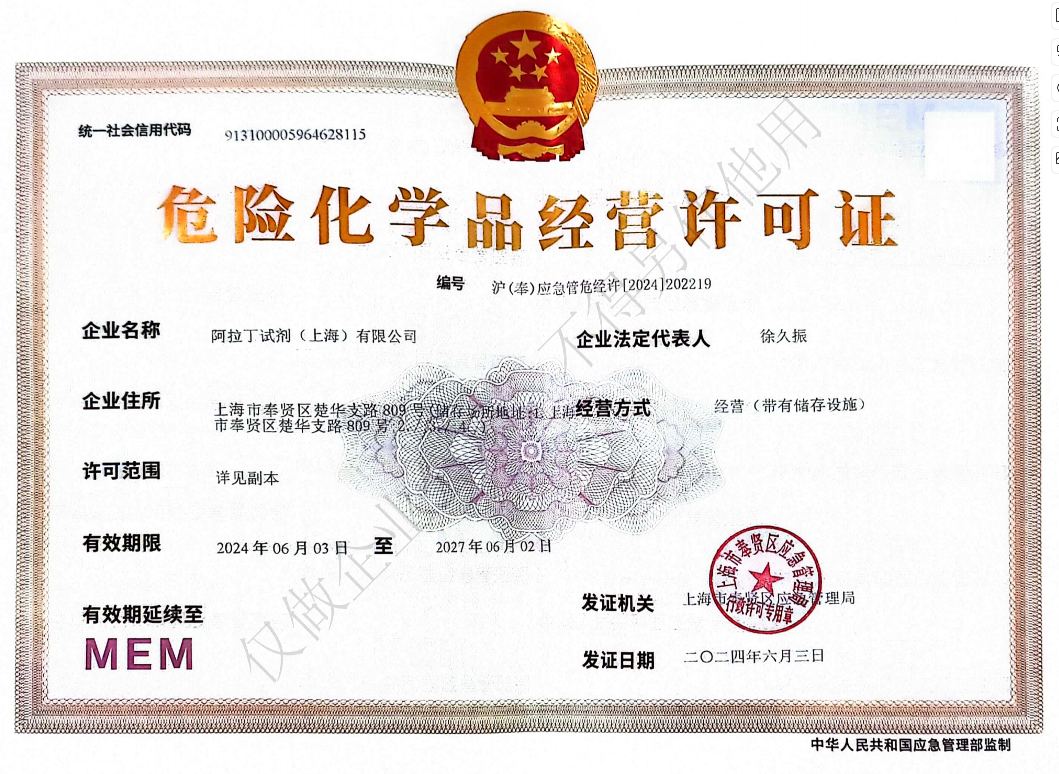 危险品化学品经营许可证(带存储)