
计算溶液所需的质量、体积或浓度。
为什么选择此级别
,适用于对基线干扰要求严格的色谱和分析工作流程。
储存与运输
-80℃储存。特低温运输 。请查阅批次 COA 获取详细规格。
质量文档
SDS、COA、产品数据表及规格说明书均可下载。可通过批号查询获取批次 COA。
文献证明
在色谱分析、有机合成和交叉偶联反应领域已被 74 篇同行评审文献引用。
概述
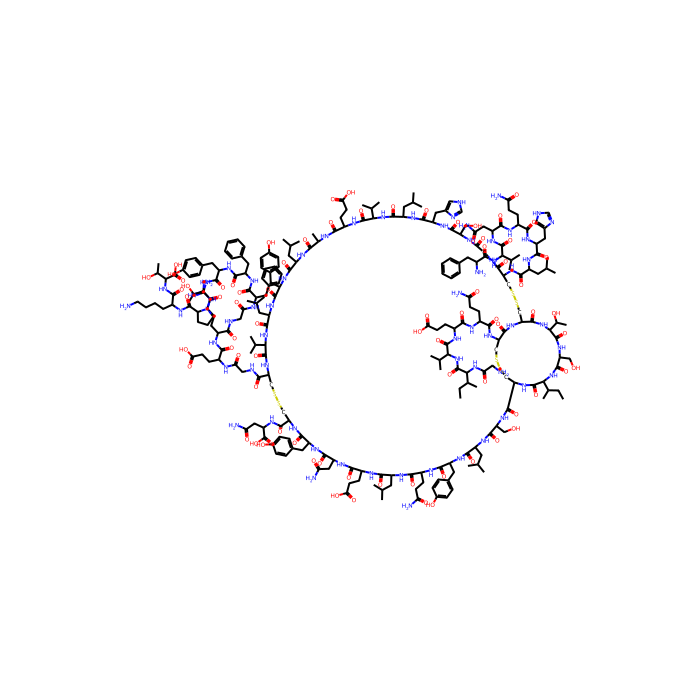
人胰岛素是由胰岛β细胞分泌的一种多肽激素。胰岛素在许多细胞活动中发挥重要作用:如促进糖和氨基酸转运,提高合成代谢降低分解代谢,刺激细胞生长等等。胰岛素是无血清哺乳动物细胞培养基中的普遍添加物质。人胰岛素为由含有可高效表达人胰岛素基因的大肠杆菌,经发酵、分离、高度纯化、结晶和干燥制成。人胰岛素为51个氨基酸残基组成的蛋白质。
用途
仅用于R&D, 不可以用于临床治疗和服用
产品优势
无动物源性:重组生产,无外源性的病毒污染,生产过程不使用任何动物源原料。
质量稳定:批量生产,可保证稳定连续的批次生产;产品批次间差异小,质量稳定。
Recombinant Insulin, human, is produced in yeast and purified by standard chromatographic techniques. Insulin regulates blood glucose. In muscles and adipocytes it stimulates glucose intake and metabolism. It also controls the expression and various enzymes.
Insulin human has been used:
in the culture medium needed for the adipogenesis of ASCs (adipose-derived stem cells)
to study the effect of insulin in the young and aged brains of rats.
to study the effect of insulin on the inflammatory actions of protease-activated receptor 2 (PAR2) using mice model.
Product description
Human insulin is a polypeptide hormone secreted by pancreatic β-cells. Insulin plays a crucial role in numerous cellular activities, such as promoting the transport of glucose and amino acids, enhancing anabolism and reducing catabolism, stimulating cell growth, and more. Insulin is a common additive in serum-free mammalian cell culture media. Human insulin is produced through fermentation, separation, high-level purification, crystallization, and drying from Escherichia coli containing a gene that efficiently expresses human insulin. Human insulin is a protein consisting of 51 amino acid residues.
Purpose
It is only for R&D purposes and cannot be used for clinical treatment or consumption
Advantages and Specific
No animal-derived: Recombinant production, no exogenous viral contamination, and no use of any animal-derived raw materials in the production process.
Stable quality: Mass production ensures stable and continuous batch production; there is little difference between product batches, ensuring stable quality.
规格
产品名称
胰岛素(Insulin)(人)
英文别名
Recombinant insulin Human | 11061-68-0
规格或纯度
10mM in DMSO
生化机理
内源性胰岛素受体激动剂(Ki = 4.85 nM)。降低体内血浆葡萄糖水平,蛋白水解,脂解和糖异生,并增加糖原和脂肪酸合成。
CAS编号和信息
11061-68-0
分子类型
肽
储存与运输
浓度
10mM in DMSO
储存条件
-80℃储存
运输条件
特低温运输
技术文档
高级数据
三维结构
交互式化学结构模型
质检证书(CoA,COO,BSE/TSE 和分析图谱)
C of A & Other Certificates(BSE/TSE, COO):
输入批号以搜索分析图谱:
技术文档和文章
此产品的引用文献
溶液计算器
产品仅提供给经过验证的企业、机构和合格的专业人员用于研发。不适用于人类、动物、诊断或治疗。
Copyright © 2023至今 上海阿拉丁生化科技股份有限公司 保留所有权利。


 危险品化学品经营许可证(带存储)