
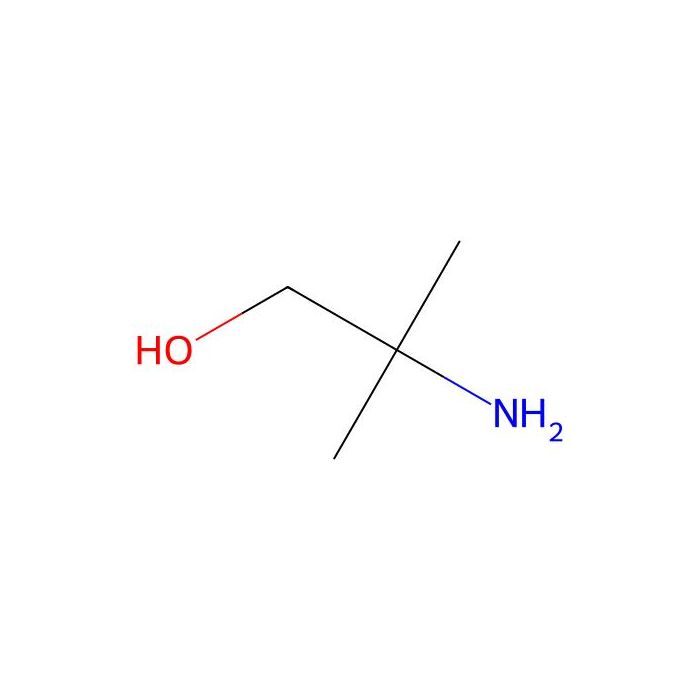
2-氨基-2-甲基-1-丙醇

CAS: 124-68-5 货号: A1500453 分子式: C4H11NO 分子量: 89.14 Beilstein号: 505979 EC号: 204-709-8
有货
级别和纯度: Moligand™ ? Moligand™ —— 阿拉丁的配体和生物活性小分子系列。适用于需要明确小分子工具的受体、通路和结合研究。 10 mM in DMSO
储存条件
避光,-80℃储存
运输条件
特低温运输
★
规格
库存
价格
数量
1ml
A1500453-1ml
期货 Stock Image
¥329.90
请输入您要添加的产品数量
🧪
为什么选择此级别

Moligand™ 级 ,适用于对基线干扰要求严格的色谱和分析工作流程。

🌡

储存与运输

避光,-80℃储存。特低温运输 。请查阅批次 COA 获取详细规格。

📋

质量文档

SDS、COA、产品数据表及规格说明书均可下载。可通过批号查询获取批次 COA。

📚

文献证明

在色谱分析、有机合成和交叉偶联反应领域已被 61 篇同行评审文献引用。

概述


2-Amino-2-methyl-1-propanol (AMP) is a neutralizer, buffer and surfactant.

规格

规格或纯度
Moligand™, 10 mM in DMSO
英文名称
2-Amino-2-methyl-1-propanol
储存条件
避光,-80℃储存
运输条件
特低温运输
名称和识别符
EC号
204-709-8
分子类型
小分子
Isomeric SMILES
CC(C)(CO)N
UN Number
Packing Group
I
分子量
89.14
Beilstein号
505979
Reaxy-Rn
505979
Reaxys-RN link address
https://www.reaxys.com/reaxys/secured/hopinto.do?context=S&query=IDE.XRN=505979&ln=

技术文档

📋 安全数据表 (SDS)

全面的危险、操作、储存及法规合规文件。

下载 SDS →

✅ 分析证书 (COA)

批次质量数据。输入批号以获取对应 COA。

查询 COA →

📊 产品数据表

产品规格和应用的快速参考摘要。

查看数据表 →

🔬 规格说明书

该级别的完整质量属性和验收标准。

查看规格说明 →

高级数据

化学和物理性质
凝固点
23 °C
折光率
1.449
闪点(℉)
152°F
闪点(℃)
67°C
沸点
165℃
熔点
24-28℃
安全和危险性(GHS)
象形图
信号词
警告
危险声明

H315: 引起皮肤刺激

H319: 引起严重眼睛刺激

H412: 对水生生物有害并具有长期持续影响

WGK Germany
1
Class
3
Merck Index
449
个人防护装备
dust mask type N95 (US), Eyeshields, Faceshields, Gloves
质检证书(CoA,COO,BSE/TSE 和分析图谱)
C of A & Other Certificates(BSE/TSE, COO):
输入批号以搜索分析图谱:
技术文档和文章
pNPP 在 ALP 检测中的定位:定量检测逻辑、适用场景与选用判断
The Positioning of pNPP in ALP Testing: Quantitative Detection Logic, Application Scenarios, and Selection Criteria
氟碳树脂涂料配方设计:树脂选型、配套体系与应用控制要点
Fluorocarbon Resin Coating Formulation Design: Resin Selection, Supporting Systems, and Key Application Control Points
1K、2K、水性、湿固化、封闭型:聚氨酯涂料固化体系的分类逻辑与判断方法
1K, 2K, Waterborne, Moisture-Curing, and Blocked Systems: Classification Logic and Identification Methods for Polyurethane Coating Curing Systems
硅树脂涂料配方设计:从应用工况到树脂、颜填料、固化与底材匹配
Silicone Resin Coating Formulation Design: From Application Conditions to Matching Resins, Pigments and Fillers, Curing, and Substrates
丙烯酸树脂在涂料中的应用与选型:建筑、工业及配套材料解析
Applications and Selection of Acrylic Resins in Coatings: Analysis of Architectural, Industrial, and Supporting Materials
天然成膜树脂虫胶在涂料中的应用:醇溶快干成膜、封闭修复与性能边界
Application of Shellac, a Natural Film-Forming Resin, in Coatings: Alcohol-Soluble Fast-Drying Film Formation, Sealing and Repair, and Performance Boundaries
水性树脂技术解析:水性化形态、性能平衡与技术地图
Waterborne Resin Technology Explained: Waterborne Forms, Performance Balance, and a Technology Map
水性树脂应用指南:配方协同、问题排查与技术发展趋势
Waterborne Resin Application Guide: Formulation Synergy, Troubleshooting, and Technology Development Trends
涂料配方中的树脂极性:从分子结构到溶解、相容、界面作用与配方设计
Resin Polarity in Coating Formulations: From Molecular Structure to Dissolution, Compatibility, Interfacial Interactions, and Formulation Design
从结构到流变:卡波姆如何形成凝胶结构并实现增稠、悬浮与乳液辅助稳定?
From Structure to Rheology: How Carbomer Forms Gel Structures and Enables Thickening, Suspension, and Auxiliary Emulsion Stabilization
三乙醇胺与二乙醇胺有何不同:从分子结构看日化配方作用、应用差异与选用逻辑
What Is the Difference Between Triethanolamine and Diethanolamine: Understanding Their Formulation Functions, Application Differences, and Selection Logic from a Molecular-Structure Perspective
黄原胶在日化配方中的增稠、悬浮、辅助稳定与结团机制:从分子结构到工艺应用
Thickening, Suspension, Auxiliary Stabilization, and Agglomeration Mechanisms of Xanthan Gum in Personal Care Formulations: From Molecular Structure to Processing Applications
日化配方为什么需要碱性成分:从 pH 调节、皂化反应到助洗去污与选型逻辑
Why Daily Chemical Formulations Need Alkaline Ingredients: From pH Adjustment and Saponification to Detergency Boosting and Selection Logic
水性色浆长期稳定的关键变量:分散剂分子量分布(MWD)如何影响颜料分散、表面吸附层构筑与储存稳定性
Key Variable in the Long-Term Stability of Waterborne Pigment Concentrates: How Dispersant Molecular Weight Distribution (MWD) Affects Pigment Dispersion, Surface Adsorption-Layer Formation, and Storage Stability
烟酰胺提亮机制与配方设计:黑素小体转移、pH调控与复配策略
Niacinamide Brightening Mechanisms and Formulation Design: Melanosome Transfer, pH Regulation, and Combination Strategies
此产品的引用文献
溶液计算器

常见问题

「Moligand?」是什么?
「Moligand?」是阿拉丁科学的高端产品线之一,专为多个工作流程中的高纯度应用而设计。与同类工作流程中的标准级别相比,「Moligand?」产品通常具有更严格的规格、更严谨的 QC 以及更强的批间一致性。
本产品应如何储存?
请于?80 °C、避光条件下保存。本品对光敏感,请保存在原始的避光或棕色容器中。
本产品如何运输?
本产品采用干冰配冷袋冷冻运输。收货后请立即拆包,并按上述储存条件保存;处理干冰时请戴隔热手套并保持通风。
本产品的 CAS 号、分子式和分子量是多少?
本产品的 CAS 号为 124-68-5,分子式为 C4H11NO ,分子量为 89.14 g/mol。
如何获取批次专用COA?
每个订单都会随附分析证书(COA),您也可以从账户订单历史中下载。如需订购前的COA,请联系您的客户代表,或使用PDP上的"申请COA"按钮——我们将提供代表性批次的COA。
