
受体酪氨酸激酶异常信号在肿瘤发生、精准分型与靶向治疗中的作用
受体酪氨酸激酶(receptor tyrosine kinase,RTK)通过酪氨酸磷酸化调控细胞增殖、存活、迁移和分化。RTK突变、扩增、融合或异常表达可持续激活MAPK、PI3K/AKT、STAT和PLC等信号通路,推动肿瘤发生并影响分子分型、靶向治疗及耐药。
用于检测、定量和定位抗原与抗体的技术——ELISA、免疫印迹、免疫组化与流式细胞术。以下是我们知识库中标注该主题的实验方案、常见问题与技术文章。
受体酪氨酸激酶(receptor tyrosine kinase,RTK)通过酪氨酸磷酸化调控细胞增殖、存活、迁移和分化。RTK突变、扩增、融合或异常表达可持续激活MAPK、PI3K/AKT、STAT和PLC等信号通路,推动肿瘤发生并影响分子分型、靶向治疗及耐药。
Receptor tyrosine kinases (RTKs) regulate cell proliferation, survival, migration, and differentiation through tyrosine phosphorylation. RTK mutations, amplifications, fusions, or abnormal expression can continuously activate MAPK, PI3K/AKT, STAT, PLC, and other signaling pathways, thereby ...
HMGB1将细胞损伤转化为炎症和趋化信号,并通过TLRs、RAGE及CXCR4调控肿瘤免疫、肿瘤干性和治疗耐受。
CCR5是巨噬细胞中重要的趋化因子受体之一,主要识别CCL3、CCL4、CCL5等CC类趋化因子,并通过G蛋白偶联受体信号调控巨噬细胞募集、迁移、炎症因子释放、吞噬功能和组织微环境重塑。
CCR5 is one of the important chemokine receptors in macrophages. It primarily recognizes CC chemokines such as CCL3, CCL4, and CCL5, and regulates macrophage recruitment, migration, inflammatory cytokine release, phagocytic function, and tissue microenvironment remodeling through G ...
TNF信号通路是炎症反应、细胞命运调控和组织稳态维持中最核心的信号网络之一。其复杂性并不体现于TNF能够诱导炎症这一单一事实,而在于同一配体刺激可在不同受体背景、泛素化状态、细胞代谢条件和死亡检查点约束下,分别导向炎症放大、存活维持、凋亡或坏死性凋亡。 ...
The TNF signaling pathway is one of the most central signaling networks in inflammatory responses, cell fate regulation, and tissue homeostasis maintenance. Its complexity is not reflected in the single fact that TNF can induce inflammation, but in that the same ligand stimulus can, under ...
The RANK signaling pathway is an important component of the TNF receptor superfamily signaling network, with a core axis composed of RANKL, RANK, and OPG.
RANK信号通路是TNF受体超家族信号网络中的重要组成部分,其核心轴线由RANKL、RANK和OPG构成。
VEGF(vascular endothelial growth factor)信号通路是血管生成研究中最核心的分子网络之一。
The VEGF (vascular endothelial growth factor) signaling pathway is one of the central molecular networks in angiogenesis research. Its role is not limited to promoting endothelial cell proliferation.
常与免疫学实验一起研究的技术。


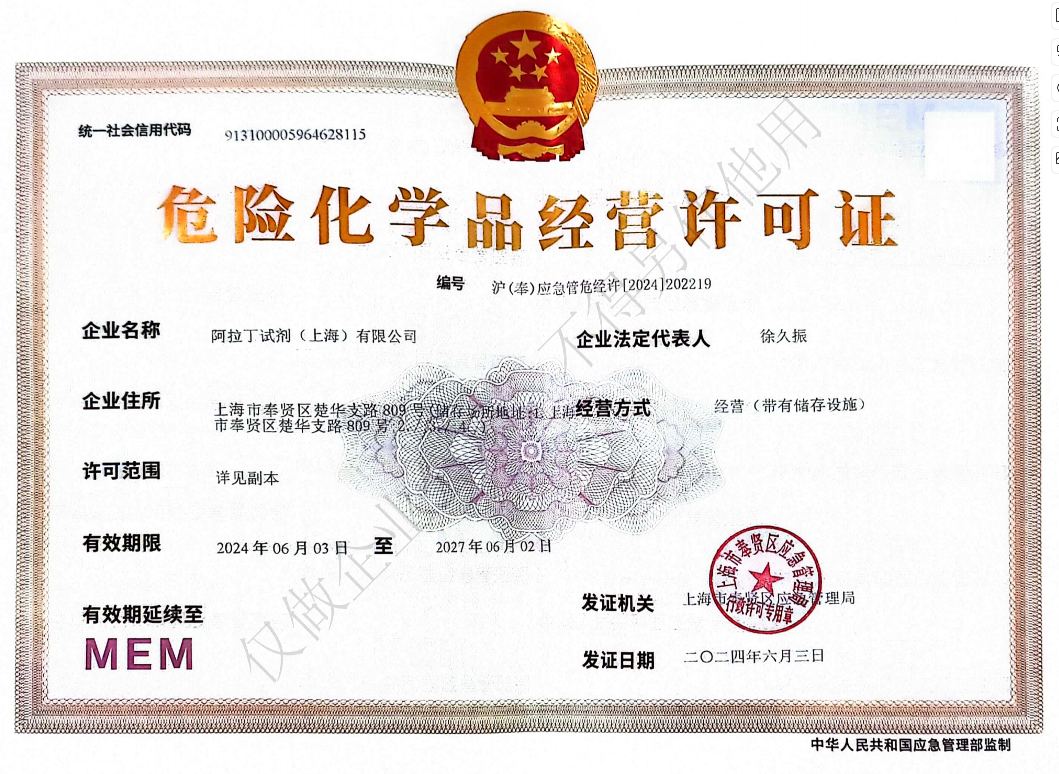 危险品化学品经营许可证(带存储)