
滑石粉

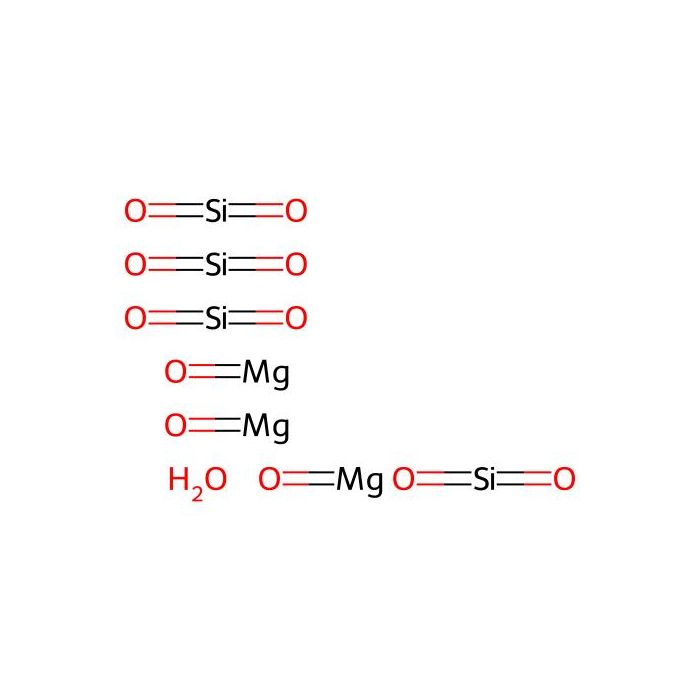
CAS: 14807-96-6 货号: T1499350 分子式: 3MgO·4SiO2·H2O 分子量: 379.27 EC号: 238-877-9
有货
级别和纯度: Moligand™ ? Moligand™ —— 阿拉丁的配体和生物活性小分子系列。适用于需要明确小分子工具的受体、通路和结合研究。 10 mM in DMSO
储存条件
-80℃储存
运输条件
特低温运输
★
规格
库存
价格
数量
1ml
T1499350-1ml
期货 Stock Image
¥549.90
请输入您要添加的产品数量
🧪
为什么选择此级别

Moligand™ 级 ,适用于对基线干扰要求严格的色谱和分析工作流程。

🌡

储存与运输

-80℃储存。特低温运输 。请查阅批次 COA 获取详细规格。

📋

质量文档

SDS、COA、产品数据表及规格说明书均可下载。可通过批号查询获取批次 COA。

📚

文献证明

在色谱分析、有机合成和交叉偶联反应领域已被 21 篇同行评审文献引用。

概述


Talc, a naturally occurring mineral composed primarily of magnesium, silicon and oxygen, is used in many cosmetics, from baby powder to blush .

规格

规格或纯度
Moligand™, 10 mM in DMSO
英文名称
Talc
储存条件
-80℃储存
运输条件
特低温运输
名称和识别符
EC号
238-877-9
分子类型
小分子
Isomeric SMILES
O.O=[Mg].O=[Mg].O=[Mg].O=[Si]=O.O=[Si]=O.O=[Si]=O.O=[Si]=O
分子量
379.27

技术文档

📋 安全数据表 (SDS)

全面的危险、操作、储存及法规合规文件。

下载 SDS →

✅ 分析证书 (COA)

批次质量数据。输入批号以获取对应 COA。

查询 COA →

📊 产品数据表

产品规格和应用的快速参考摘要。

查看数据表 →

🔬 规格说明书

该级别的完整质量属性和验收标准。

查看规格说明 →

高级数据

化学和物理性质
熔点
800°C
安全和危险性(GHS)
RTECS
WW2710000
个人防护装备
dust mask type N95 (US),Eyeshields,Gloves
质检证书(CoA,COO,BSE/TSE 和分析图谱)
C of A & Other Certificates(BSE/TSE, COO):
输入批号以搜索分析图谱:
技术文档和文章
巯基硅烷偶联剂:结构特点、分类、应用与选用
Mercapto Silane Coupling Agents: Structural Features, Classification, Applications, and Selection
钛酸酯偶联剂:结构特点、分类、典型应用及与硅烷偶联剂的区别
Titanate Coupling Agents: Structural Features, Classification, Typical Applications, and Differences from Silane Coupling Agents
可用于化妆品的钛酸酯偶联剂TCA-KTTS:基本信息、应用特点及与130、105的区别
TCA-KTTS, a Titanate Coupling Agent Suitable for Use in Cosmetics: Basic Information, Application Characteristics, and Differences from 130 and 105
涂料消光剂如何构建低光泽涂层表面:机理、配方权衡与产品选型
How Matting Agents in Coatings Build Low-Gloss Coating Surfaces: Mechanisms, Formulation Trade-Offs, and Product Selection
醇酸树脂涂料应用与选型指南:优势、局限、配方控制与改性方向
Application and Selection Guide for Alkyd Resin Coatings: Advantages, Limitations, Formulation Control, and Modification Directions
环氧树脂性能设计指南:体系组成、关键性能、工艺控制与应用选型
Guide to Epoxy Resin Performance Design: System Composition, Key Properties, Process Control, and Application Selection
氟碳树脂涂料配方设计:树脂选型、配套体系与应用控制要点
Fluorocarbon Resin Coating Formulation Design: Resin Selection, Supporting Systems, and Key Application Control Points
硅树脂涂料配方设计:从应用工况到树脂、颜填料、固化与底材匹配
Silicone Resin Coating Formulation Design: From Application Conditions to Matching Resins, Pigments and Fillers, Curing, and Substrates
丙烯酸树脂在涂料中的应用与选型:建筑、工业及配套材料解析
Applications and Selection of Acrylic Resins in Coatings: Analysis of Architectural, Industrial, and Supporting Materials
醋丙乳液(乙烯基丙烯酸乳液):建筑涂料中成本与性能的平衡方案
Vinyl Acetate-Acrylic Emulsion (Vinyl Acrylic Emulsion): A Cost-Performance Balance Solution for Architectural Coatings
PVAc、VAE 与醋酸乙烯酯类乳液:建筑涂料中的成膜逻辑与性能边界
PVAc, VAE, and Vinyl Acetate-Based Emulsions: Film-Forming Logic and Performance Boundaries in Architectural Coatings
酚醛改性醇酸树脂:快干工业涂料中的性能提升与应用
Phenolic-Modified Alkyd Resin: Performance Enhancement and Applications in Fast-Drying Industrial Coatings
酚醛树脂在涂料中的选型与配方设计要点:适用场景、应用限制与性能验证
Selection and Formulation Design Guidelines for Phenolic Resins in Coatings: Applicable Scenarios, Application Limitations, and Performance Verification
氯化橡胶树脂在涂料中的应用定位、场景选择与使用要点
Application Positioning, Scenario Selection, and Key Use Considerations for Chlorinated Rubber Resin in Coatings
氯化橡胶涂料配方设计:组分协同与性能调控
Formulation Design of Chlorinated Rubber Coatings: Component Synergy and Performance Control
水性树脂应用指南:配方协同、问题排查与技术发展趋势
Waterborne Resin Application Guide: Formulation Synergy, Troubleshooting, and Technology Development Trends
涂料黄变机制与防控:从发色结构生成到来源诊断与配方优化
Mechanisms and Control of Coating Yellowing: From Chromophoric Structure Formation to Source Diagnosis and Formulation Optimization
涂料配方中的树脂极性:从分子结构到溶解、相容、界面作用与配方设计
Resin Polarity in Coating Formulations: From Molecular Structure to Dissolution, Compatibility, Interfacial Interactions, and Formulation Design
日化产品为什么会不透明?乳浊、珠光与遮盖的形成机制及原料选择
Why Do Daily Chemical Products Become Opaque? Formation Mechanisms of Milky Turbidity, Pearlescence, and Coverage, and How to Select the Right Ingredients
日化色素的呈色机制、配方形态与选型应用逻辑
Color-Development Mechanisms, Formulation Forms, and Selection/Application Logic of Colorants in Personal Care Products
腻子用羟丙基甲基纤维素(HPMC)生产工艺解析:从大配比与小配比看取代结构和凝胶温度差异
Analysis of the Production Process of Hydroxypropyl Methylcellulose (HPMC) for Putty: Understanding Differences in Substitution Structure and Gelation Temperature from High-Ratio and Low-Ratio Formulations
腻子中常用纤维素醚的类型、作用机理、质量指标与选择应用
Types, Mechanisms of Action, Key Quality Indicators, and Selection and Application of Common Cellulose Ethers in Wall Putty
中性腻子起泡影响因素及控制思路:基于HPMC用量、粘度与重钙细度的实验分析
Influencing Factors and Control Strategies for Blistering in Neutral Wall Putty: An Experimental Analysis Based on HPMC Dosage, Viscosity, and Ground Calcium Carbonate Fineness
中性腻子胶结/凝胶材料怎么选?4组应用小试看预糊化淀粉、PVA与乳胶粉的性能差异
How to Select Binding/Gel Materials for Neutral Wall Putty? A Comparison of Pregelatinized Starch, PVA, and Redispersible Polymer Powder Based on Four Application Trials
耐水腻子打磨脱层的原因与机理分析
Causes and Mechanism Analysis of Delamination During Sanding of Water-Resistant Putty
聚乙烯醇1788、2488、2699有什么区别?从聚合度和醇解度看施工性、粘结强度与相对耐水性
What Are the Differences Between Polyvinyl Alcohol 1788, 2488, and 2699? Understanding Workability, Bonding Strength, and Relative Water Resistance from the Perspective of Degree of Polymerization and Degree of Hydrolysis
夏季高温条件下中性腻子常见问题及配方调整思路
Common Problems and Formulation Adjustment Strategies for Neutral Putty Under High Summer Temperatures
中性腻子配方中木薯与玉米来源预糊化淀粉的区别及应用选择
Differences and Application Selection of Cassava- and Corn-Based Pregelatinized Starch in Neutral Putty Formulations
中性腻子中膨润土的作用、选型、开裂风险分析与添加量控制
The Role, Selection, Cracking Risk Analysis, and Dosage Control of Bentonite in Neutral Putty
多孔二氧化硅在控油散粉中的作用机理:孔结构、毛细浸润与表面改性
Mechanism of Action of Porous Silica in Oil-Control Loose Powder: Pore Structure, Capillary Imbibition, and Surface Modification
直接压片是什么?工艺特点、适用条件与辅料选择
What Is Direct Compression? Process Characteristics, Suitability Criteria, and Excipient Selection
此产品的引用文献
溶液计算器
