RPMI 1640培养基以研发地点罗斯韦尔公园纪念研究所(RoswellParkMemorial Institute. RPMI)命名,1640为培养基代号。它是McCoy's5A培养基的改进型,使用碳酸氢盐缓冲系统。 RPMI 1640培养基最初开发用于人白血病细胞的悬浮或单层培养,后来被发现也适用于多种哺乳动物细胞,包括HeLa、Jurkat、MCF-7、PC-12、PBMC、星形胶质细胞和癌细胞,尤其适用于悬浮细胞的培养,是使用最为广泛的培养基之一。
RPMI 1640培养基与其它培养基的区别在于含有还原型谷胱甘肽和高浓度的维生素。RPMI 1640培养基含有EMEM和DMEM中没有的生物素、维生素B12和对氨基苯甲酸,以及高浓度的氯化胆碱和肌醇。
L-丙氨酰-L-谷氨酰胺是一种高级细胞培养添加剂,可直接替代L-谷氨酰胺。L-谷氨酰胺是细胞培养液体环境中所必需的一种营养成分,但其在水溶液中不稳定,易降解产生对细胞有害的氨;而L-丙氨酰-L-谷氨酰胺在水溶液中十分稳定,不会自发降解,其被细胞利用的机制为:细胞在培养时会向培养液中释放一种肽酶,将L-丙氨酰-L-谷氨酰胺逐渐水解成L-丙氨酸和L-谷氨酰胺,这种将低浓度水平的L-谷氨酰胺逐渐释放到培养液中的过程类似于流加培养策略,可以提高L-谷氨酰胺的利用率,且不会产生多余的氨,更利于细胞的生长。L-丙氨酰-L-谷氨酰胺可以代替等摩尔的L-谷氨酰胺,适用于所有的细胞,几乎无需适应,并且可以延长细胞的培养时间,减少传代次数,细胞活性降低得更慢。L-丙氨酰-L-谷氨酰胺的添加可能导致延滞期略微延长,其原因是肽酶的释放和二肽的消化需要一定的时间,不影响后续培养。HEPES是一种优良的生物缓冲剂,对细胞无毒性作用,培养基添加HEPES后能够较长时间保持恒定的PH范围,可以有效 防止培养液PH波动较大对细胞生长状态产生的不利影响。
本产品含有:D-葡萄糖、L-丙氨酰-L-谷氨酰胺、酚红、HEPES。
不含有:L-谷氨酰胺、丙酮酸钠。
RPMI 1640 medium is named after the Roswell Park Memorial Institute (RPMI), where it was developed, with 1640 serving as its product code. It is an improved version of McCoy's 5A medium and adopts a bicarbonate buffer system. Initially developed for the suspension and monolayer culture of human leukemia cells, RPMI 1640 has since been proven suitable for a wide range of mammalian cells, including HeLa, Jurkat, MCF-7, PC-12, PBMCs, astrocytes and cancer cells. Particularly ideal for suspension cell culture, it ranks among the most widely used cell culture media worldwide.
Distinct from other culture media, RPMI 1640 contains reduced glutathione and high concentrations of vitamins. It comprises biotin, vitamin B12 and para-aminobenzoic acid, which are absent in EMEM and DMEM, as well as high levels of choline chloride and inositol.
L-alanyl-L-glutamine is a premium cell culture supplement that can directly replace L-glutamine. L-glutamine is an essential nutrient in liquid culture media, yet it is unstable in aqueous solutions and prone to degradation, producing ammonia that is toxic to cells. In contrast, L-alanyl-L-glutamine features excellent stability in water and does not degrade spontaneously. Its metabolic mechanism in cell culture is as follows: cells secrete peptidase into the culture medium, which gradually hydrolyzes L-alanyl-L-glutamine into L-alanine and L-glutamine. This slow release of low-concentration L-glutamine into the medium mimics a fed-batch culture strategy. It improves the utilization rate of L-glutamine without generating excess ammonia, thereby creating a more favorable environment for cell growth. L-alanyl-L-glutamine can be used as an equimolar substitute for L-glutamine. It is applicable to nearly all cell types with minimal adaptation required. It also extends cell culture duration, reduces passaging frequency and slows down the decline of cell viability. A slight prolongation of the lag phase may occur after its addition, due to the time required for peptidase secretion and dipeptide hydrolysis, while this effect will not interfere with subsequent cell culture. HEPES is an excellent biological buffer with no cytotoxicity. When supplemented in culture media, it maintains a stable pH range for an extended period and effectively prevents adverse impacts on cell growth caused by drastic pH fluctuations in the medium.
Ingredients contained in this product: D-Glucose, L-alanyl-L-glutamine, Phenol Red, HEPES
Ingredients not contained in this product: L-Glutamine, Sodium Pyruvate

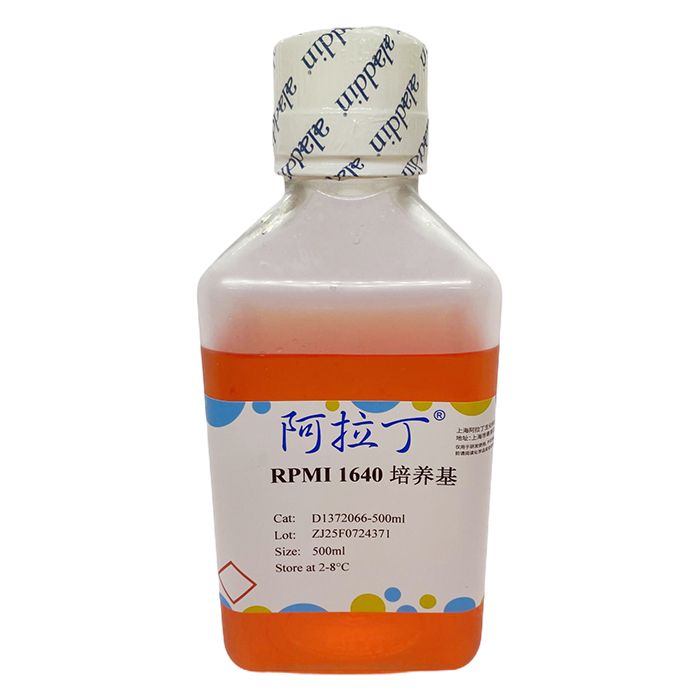
 ZJ26F0636717

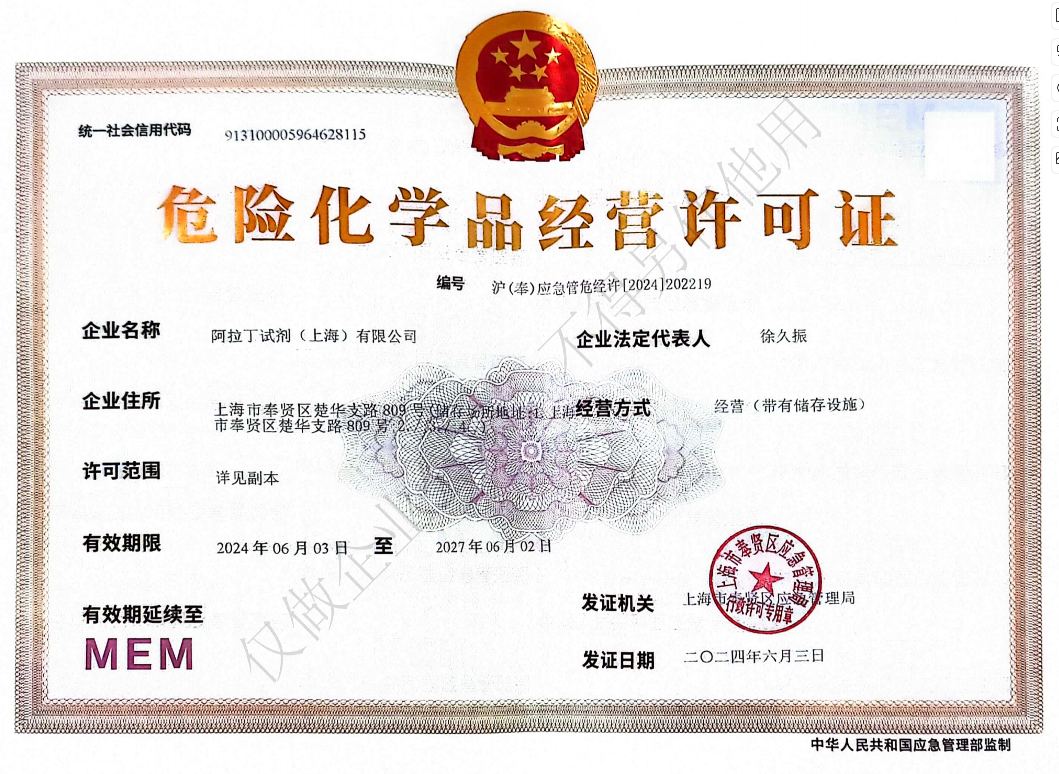 危险品化学品经营许可证(带存储)