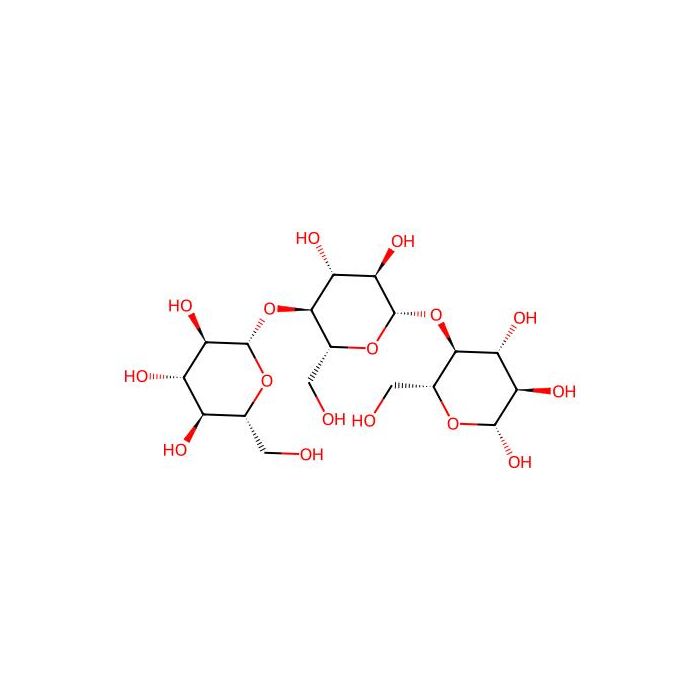
纤维素是一种由1,4-b-D-葡萄糖甙键链接的无水D-葡萄糖组成的无支链葡萄糖聚合体。这种糖苷键可以被水解纤维素酶水解。纤维素酶的天然结构是由晶体的和无规则的非晶体区域构成的。
本产品采用优良纤维素酶菌株黑曲霉,经液体深层发酵精制而成的高效酶制剂。本品依据美国食品药物管理局(FDA)、世界卫生组织(WHO)、食品与农业经济委员会(UECFA)所颁布的食用酶制剂标准生产,符合食品化学药典(FCC)。
使用范围
◥ 用于大豆蛋白加工,淀粉加工,啤酒加工行业,食品行业;
◥ 用于饲料工业;
◥ 用于纺织印染,水洗生物抛光;
◥ 造纸工业;
◥ 用于植物类药材中皂苷、生物碱,苯丙素、挥发油类化合物的提取。
工作机理
纤维素、地衣多糖和谷类 b-D葡聚糖中的1,4-b-D-葡萄糖苷键可以被纤维素酶水解并释放出单个葡萄糖单元。
纤维素链状结构中心的无规则非晶体区域首先受到内葡聚糖酶的作用, 1,4-b-D-葡萄糖苷键被随机切割,由此在链内产生纤维低聚糖。纤维水解酶I和纤维水解酶II对纤维低聚糖的还原性和非还原性末端进行作用,释放纤维二糖。b-葡萄糖苷酶作用于释放出的纤维二糖产生b-D-葡萄糖。
特性
使用的最佳pH范围是4.8-5.2,温度范围是55-60℃ (131 – 140℉)。
酶活力单位定义
1小时内,特定条件下,使用DNS方法水解羧甲基纤维素产生1 mg葡萄糖所需的酶量,即为 1 个酶活力单位。
使用说明
1.饲料工业用量:0.05-0.1%
2.纺织工业用量:2.5-5g/kg 衣物重(5:1 水与衣物比率)5-10 g/kg 衣物重(10:1 水与衣物比率)
3.造纸工业的酶用量请根据专业技术人员指导进行。
保存
存放于阴凉干燥处,避免阳光直射。
含有大量活性物质,在低温下(25℃以下,但不能冷冻)贮存时,其活性可保持相当长一段时间。
使用注意事项
本产品是一种无毒的生物降解物质。
避免不必要接触,长期接触一些产品中的蛋白质会使有的人对该产品敏感。
每次接触产品后要用温水、香皂洗手。将产品放在儿童不能触及的地方。
Cellulose is an unbranched glucose polymer composed of anhydrous D-glucose linked by β-1,4-D-glucosidic bonds. Such glycosidic bonds can be hydrolyzed by cellulase. The natural structure of cellulose consists of crystalline regions and amorphous random regions.
This product is a high-efficiency enzyme preparation refined by submerged liquid fermentation using Aspergillus niger, an excellent cellulase-producing strain. It is manufactured in compliance with the edible enzyme preparation standards promulgated by the U.S. Food and Drug Administration (FDA), the World Health Organization (WHO) and the Joint FAO/WHO Expert Committee on Food Additives (JECFA), and conforms to the Food Chemicals Codex (FCC).
Scope of Application
Soy protein processing, starch processing, beer brewing and food industries
Feed industry
Textile printing and dyeing, and bio-polishing for water washing
Paper industry
Extraction of saponins, alkaloids, phenylpropanoids and volatile oil compounds from botanical medicinal materials
Mechanism of Action
Cellulase hydrolyzes the β-1,4-D-glucosidic bonds in cellulose, lichenin and cereal β-D-glucans, releasing individual glucose units.
The amorphous random regions in the core of the cellulose chain are first acted on by endoglucanase, which randomly cleaves the β-1,4-D-glucosidic bonds to generate cellooligosaccharides in the chain. Cellobiohydrolase I and Cellobiohydrolase II act on the reducing and non-reducing ends of cellooligosaccharides, releasing cellobiose. β-Glucosidase acts on the released cellobiose to produce β-D-glucose.
Characteristics
The optimal pH range for use is 4.8-5.2, and the optimal temperature range is 55-60℃ (131–140℉).
Definition of Enzyme Activity Unit
One enzyme activity unit is defined as the amount of enzyme required to hydrolyze carboxymethyl cellulose to produce 1 mg of glucose within 1 hour under specific conditions, measured by the DNS method.
Usage Instructions
Feed industry: Dosage of 0.05-0.1% (by weight)
Textile industry: 2.5-5 g per kg of fabric (at a water-to-fabric ratio of 5:1); 5-10 g per kg of fabric (at a water-to-fabric ratio of 10:1)
Paper industry: Dosage shall be determined under the guidance of professional technicians
Storage
Store in a cool, dry place and avoid direct sunlight.
This product contains a high content of active substances. Its activity can be maintained for a long period when stored at low temperature (below 25℃, but not frozen).
Precautions for Use
This product is a non-toxic and biodegradable substance.
Avoid unnecessary contact, as prolonged exposure to proteins in some products may cause sensitization in certain individuals.
Wash hands with warm water and soap after each contact with the product. Keep the product out of the reach of children.

 H2121255


 危险品化学品经营许可证(带存储)