
Coenzyme Q10 Handling, Solubility & Assay Protocol
Step-by-step protocol for preparing, dissolving, and assaying Coenzyme Q10 in research applications. Covers stock solutions, storage, and detection methods.
用于检测、定量和定位抗原与抗体的技术——ELISA、免疫印迹、免疫组化与流式细胞术。以下是我们知识库中标注该主题的实验方案、常见问题与技术文章。
Step-by-step protocol for preparing, dissolving, and assaying Coenzyme Q10 in research applications. Covers stock solutions, storage, and detection methods.
Complete guideline for PRDX3 Mouse mAb (Ab349216): applications, recommended protocols, storage, and troubleshooting for mitochondrial antioxidant research.
Explore Coenzyme Q₁ biochemistry, electron transport roles, and research applications. High-purity reagent for mitochondrial and redox studies.
Necrosis by sodium overload (NECSO) is a form of necrotic cell death caused by sustained activation of transient receptor potential melastatin 4 (TRPM4). It is characterized by massive Na⁺ influx, membrane depolarization, osmotic imbalance, and cellular swelling and is accompanied by disruption ...
Mitochondria maintain the energy supply, biosynthesis, and redox homeostasis of tumor cells through oxidative phosphorylation, the TCA cycle, and substrate oxidation. Certain tumors and treatment-persistent cells can develop specific mitochondrial metabolic dependencies, making OXPHOS, substrate ...
Sirtuins are a family of NAD⁺-dependent deacylases comprising SIRT1–7 and are involved in metabolism, DNA repair, mitochondrial homeostasis, and inflammatory regulation. Animal studies suggest that certain members may improve healthspan, but there is currently no direct evidence that they can ...
With the acceleration of population aging, age-related cancers, cardiovascular diseases, neurodegenerative diseases, and metabolic abnormalities continue to increase, making the mechanisms of aging an important direction in life science and disease research. Cellular senescence is an important ...
Lipid droplets (LDs) are dynamic organelles formed by a phospholipid monolayer surrounding a neutral lipid core. Their core components mainly include triacylglycerol (TAG) and cholesteryl esters. Lipid droplets are not only lipid storage structures, but also participate in energy metabolism, ...
Intracellular electron transfer is not confined to the mitochondrial respiratory chain, but rather spans a continuous network involving glycolysis, the tricarboxylic acid cycle, fatty acid oxidation, amino acid catabolism, oxidative folding in the endoplasmic reticulum, oxidative metabolism in ...
常与免疫学实验一起研究的技术。


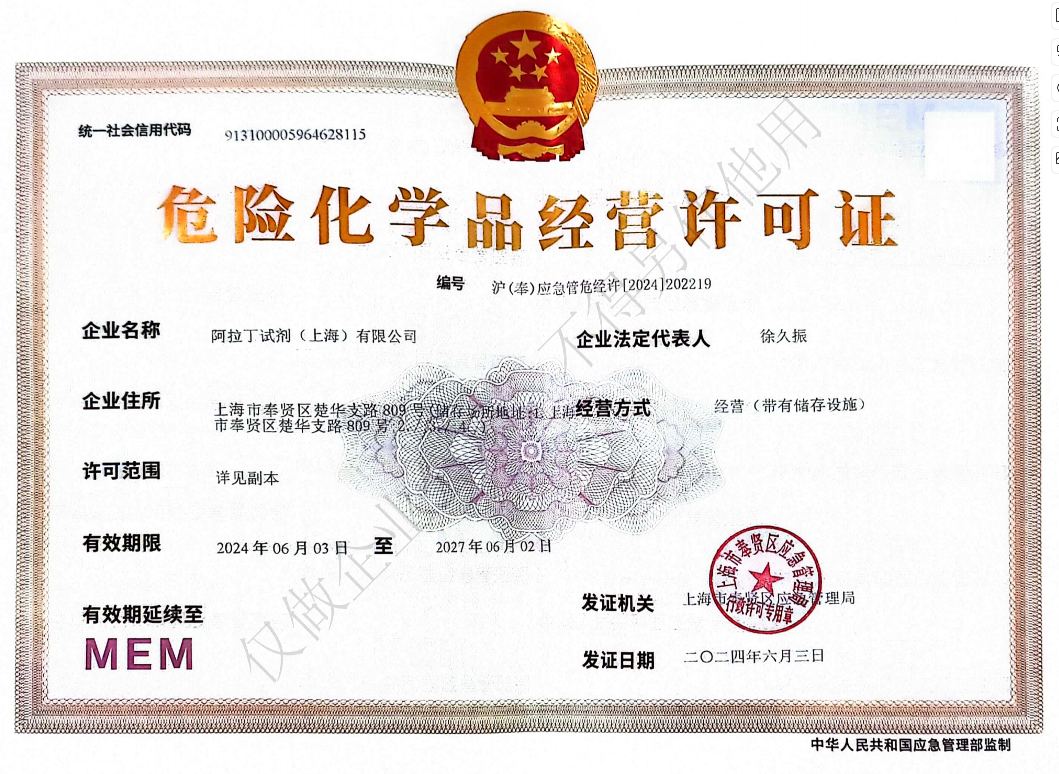 危险品化学品经营许可证(带存储)