
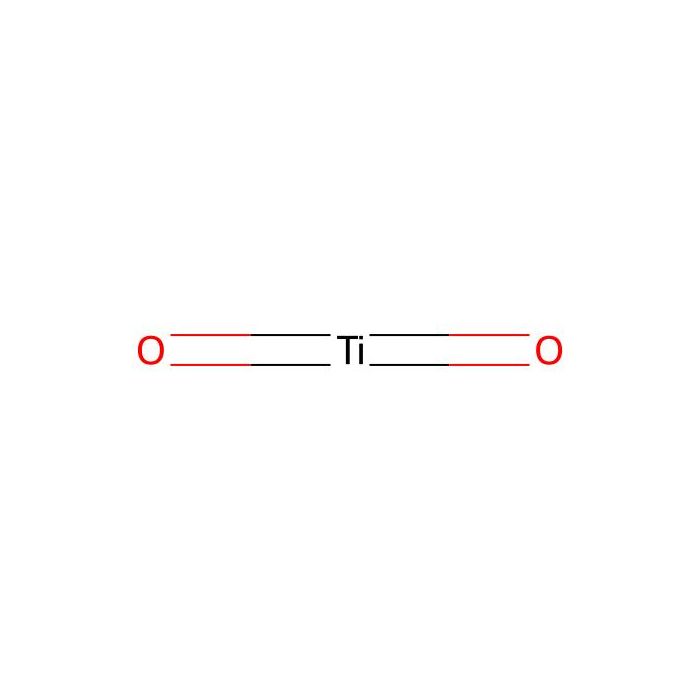
气相纳米二氧化钛

CAS: 13463-67-7 货号: G1375747 分子式: TiO2 分子量: 79.87 EC号: 236-675-5
有货
级别和纯度: 亲水型 ? 亲水性 —— 亲水特性,适用于水相使用。当需要与水相容/溶解时使用。 ≥99.5% metals basis 比表面积(BET):50m2/g;粒度:10-40nm
储存条件
室温
运输条件
常规运输
★
规格
库存
价格
数量
100g
G1375747-100g
现货 Stock Image
¥99.90
500g
G1375747-500g
现货 Stock Image
¥399.90
2.5kg
G1375747-2.5kg
现货 Stock Image
¥1,599.90
请输入您要添加的产品数量
🧪
为什么选择此级别

亲水型 级 提供 ≥99.5% metals basis 纯度,适用于对基线干扰要求严格的色谱和分析工作流程。

🌡

储存与运输

室温。常规运输 。请查阅批次 COA 获取详细规格。

📋

质量文档

SDS、COA、产品数据表及规格说明书均可下载。可通过批号查询获取批次 COA。

📚

文献证明

在色谱分析、有机合成和交叉偶联反应领域已被 2610 篇同行评审文献引用。

概述

用途:

热稳定性和阻燃性

吸收电子与自由基,改善聚合物的热稳定性,增加硅橡胶分解温度,提高氧指数,增强硅橡胶的阻燃性。

光触媒净化
捕获表面的光生电子而发生还原反应,将有害有机物直接氧化为二氧化碳和水等无机小分子。
消毒杀菌
在光照下能够催化分解有机污染物,具有抗菌除霉、抗污除臭、净化空气、尾气净化作用。
锂电池负极涂层
改善锂电池充放电性能,提高电池循环稳定性和容量保持率。
紫外光屏蔽
对长波区紫外线的阻隔以散射为主,对中波区紫外线的阻隔以吸收为主,有效吸收和散射紫外线。


应用:

硅橡胶
在高温环境下,显著提高热稳定性、阻燃性能和耐磨性,改善其机械性能。

光催化自清洁材料
通过光催化作用分解表面的污垢和污染物,分解空气中的有害气体和有机污染物,从而改善空气和水质。
陶瓷和金属材料
用作粘接剂、烧结添加剂或结构件的添加剂和原料,提高材料强度、硬度和耐磨性,改善加工性能。

染料敏化太阳能电池
增加染料分子的吸附量,提高了光捕获效率,改善其光电转换效率和长期稳定性。

锂电池负极
提高电池化学稳定性和热稳定性,增强电池安全性能,延长电池使用寿命。


技术参数:

比表面积(BET)(㎡/g) 50±15
PH值(4%悬浮液) 3.5~4.5
干燥减量(105℃条件下干燥,2h)(%) ≤ 1.5
灼烧减量(1000℃灼烧2h)(%) ≤ 2.5
二氧化钛含量(基于灼烧后产物) ≥ 99.5
振实密度(g/L) 140±40
晶型 混合晶型


产品性质:

1.粒径小, 纯度高,比表面积高。
2.锐钛型和金红石型混合晶型,以锐钛型为主。
3.良好的热稳定性和化学稳定性。
4.优异的催化和光催化效率。
5.紫外光敏性。
6.可提高硅橡胶的热稳定性。



规格

规格或纯度
亲水型, ≥99.5% metals basis, 比表面积(BET):50m2/g;粒度:10-40nm
英文名称
Gas-Phase Nano Titanium Dioxide
储存条件
室温
运输条件
常规运输
纯度
≥99.5% metals basis
名称和识别符
EC号
236-675-5
分子类型
小分子
INCHI
1S/2O.Ti
Smiles
O=[Ti]=O
Isomeric SMILES
O=[Ti]=O
分子量
79.87

技术文档

📋 安全数据表 (SDS)

全面的危险、操作、储存及法规合规文件。

下载 SDS →

✅ 分析证书 (COA)

批次质量数据。输入批号以获取对应 COA。

查询 COA →

📊 产品数据表

产品规格和应用的快速参考摘要。

查看数据表 →

🔬 规格说明书

该级别的完整质量属性和验收标准。

查看规格说明 →

高级数据

三维结构
交互式化学结构模型


化学和物理性质
敏感性
易吸潮
沸点
2900 °C/1013 hPa
熔点
1855 °C
安全和危险性(GHS)
个人防护装备
Eyeshields,Gloves,type N95 (US),type P1 (EN143) respirator filter
质检证书(CoA,COO,BSE/TSE 和分析图谱)
C of A & Other Certificates(BSE/TSE, COO):
输入批号以搜索分析图谱:

通过匹配包装上的批号来查找并下载产品的 COA,每批产品都进行了严格的验证,您可放心使用!

找到4个结果

批号(Lot Number) 证书类型 货号
F2611159 分析证书 G1375747
K2514437 分析证书 G1375747
K2514439 分析证书 G1375747
K2514441 分析证书 G1375747
技术文档和文章
实验室中的亲水性与疏水性:实用指南
Hydrophilicity & Hydrophobicity in the Lab: A Practical Guide
钛酸钡的结构、制备与应用——走进MLCC核心介质材料
Structure, Synthesis, and Applications of Barium Titanate – A Closer Look at the Core Dielectric Material in MLCCs
纳米粘土在材料与配方中的应用:分散机理、性能提升与产品选型
Applications of Nanoclay in Materials and Formulations: Dispersion Mechanisms, Performance Enhancement, and Product Selection
高折射率 vs 低折射率涂层材料:从 AR/波导原理到配方与选型导航(含产品分类表A/B/C)
High-Refractive-Index vs Low-Refractive-Index Coating Materials: From AR/Waveguide Principles to a Formulation & Material-Selection Map (Including Product Category Tables A/B/C)
锂离子电池电极材料指南:工作机理、材料地图与选型导航(含表1–表4)
Panorama Guide to Lithium-Ion Battery Electrode Materials: Working Principles, Materials Map, and Selection Navigation (incl. Tables 1–4)
紫外吸收剂全指南:定义与边界、工程关键指标、验证方法、选型导航(表1–表3)
The Complete Guide to UV Absorbers: Definition & Scope, Key Engineering Metrics, Validation Methods, and Selection Navigation (Tables 1–3)
光学与光电材料选型导览:按“产生—引导—调控—读出”定位材料、关键指标与验证路径(含产品导航与表1–表4)
Optical & Optoelectronic Materials Selection Guide:Positioning materials, key metrics, and validation paths along “Generation → Guiding → Control → Readout” (with product navigation and Tables 1–4)
陶瓷材料导览:基本定义、分类框架与科研任务选型(含产品导航与表1–表4)
Ceramic Materials Guide: Basic Definitions, Classification Framework, and Research-Task-Oriented Selection (with Product Navigation and Tables 1–4)
金属纳米催化剂为何“更省能耗也更易掉性能”:从活性位到载体/界面工程的耐久逻辑(含选型导航及产品表A–D)
Why Metal Nanocatalysts Can “Save Energy Yet Lose Performance Easily”: Durability Logic from Active Sites to Support/Interface Engineering (Including Selection Guide and Product Tables A–D)
自组装单层(SAMs)与微接触印刷 / 软光刻在表面功能化和微纳图案化中的应用
Applications of Self-Assembled Monolayers (SAMs), Microcontact Printing, and Soft Lithography in Surface Functionalization and Micro/Nanopatterning
聚醚酰亚胺(PEI):结构特征、主要性能与典型应用方向
Polyetherimide (PEI): Structural Features, Main Properties, and Typical Application Directions
可用于化妆品的钛酸酯偶联剂TCA-KTTS:基本信息、应用特点及与130、105的区别
TCA-KTTS, a Titanate Coupling Agent Suitable for Use in Cosmetics: Basic Information, Application Characteristics, and Differences from 130 and 105
金属卤化物钙钛矿太阳能电池:高效率来源、稳定性瓶颈与实验判断逻辑
Metal Halide Perovskite Solar Cells: Sources of High Efficiency, Stability Bottlenecks, and Experimental Decision Logic
从钛酸钡介质到多层陶瓷电容器:钛酸钡基陶瓷的介电性能与实验判断
From Barium Titanate Dielectrics to Multilayer Ceramic Capacitors: Dielectric Properties and Experimental Evaluation of Barium Titanate-Based Ceramics
硅溶胶是什么:纳米二氧化硅分散液的作用机理、应用场景与选型要点
What Is Silica Sol: Mechanism of Action, Application Scenarios, and Selection Criteria for Nanosilica Dispersions
醇酸树脂涂料应用与选型指南:优势、局限、配方控制与改性方向
Application and Selection Guide for Alkyd Resin Coatings: Advantages, Limitations, Formulation Control, and Modification Directions
环氧树脂的四类核心应用:连接、防护、承载与绝缘保护
Four Core Applications of Epoxy Resins: Bonding, Protection, Load-Bearing, and Insulation Protection
氟碳树脂为何耐候:结构稳定性、低表面能与涂膜外观保持性
Why Fluorocarbon Resins Are Weatherable: Structural Stability, Low Surface Energy, and Coating Film Appearance Retention
氟碳树脂涂料配方设计:树脂选型、配套体系与应用控制要点
Fluorocarbon Resin Coating Formulation Design: Resin Selection, Supporting Systems, and Key Application Control Points
硅树脂的结构—性能关系:耐热、耐候与疏水机理及涂层性能解析
Structure–Property Relationship of Silicone Resins: Mechanisms of Heat Resistance, Weatherability, Hydrophobicity, and Coating Performance Analysis
硅树脂涂料配方设计:从应用工况到树脂、颜填料、固化与底材匹配
Silicone Resin Coating Formulation Design: From Application Conditions to Matching Resins, Pigments and Fillers, Curing, and Substrates
聚酯树脂在工业涂料中的应用与选型:粉末、卷材、烤漆、包装与金属涂料场景解析
Applications and Selection of Polyester Resins in Industrial Coatings: Powder, Coil, Baking, Packaging, and Metal Coating Scenarios
丙烯酸树脂在涂料中的应用与选型:建筑、工业及配套材料解析
Applications and Selection of Acrylic Resins in Coatings: Analysis of Architectural, Industrial, and Supporting Materials
醋丙乳液(乙烯基丙烯酸乳液):建筑涂料中成本与性能的平衡方案
Vinyl Acetate-Acrylic Emulsion (Vinyl Acrylic Emulsion): A Cost-Performance Balance Solution for Architectural Coatings
PVAc、VAE 与醋酸乙烯酯类乳液:建筑涂料中的成膜逻辑与性能边界
PVAc, VAE, and Vinyl Acetate-Based Emulsions: Film-Forming Logic and Performance Boundaries in Architectural Coatings
蒙脱土如何合理改性?有机改性、无机改性与应用选型验证思路
How Should Montmorillonite Be Rationally Modified? Organic Modification, Inorganic Modification, and Application-Oriented Selection and Validation
环氧酚醛涂料:为什么常用于耐化学、耐溶剂、耐热及金属内壁防护?
Epoxy Phenolic Coatings: Why Are They Commonly Used for Chemical Resistance, Solvent Resistance, Heat Resistance, and Internal Metal Surface Protection?
酚醛树脂在涂料中的选型与配方设计要点:适用场景、应用限制与性能验证
Selection and Formulation Design Guidelines for Phenolic Resins in Coatings: Applicable Scenarios, Application Limitations, and Performance Verification
氯化橡胶树脂在涂料中的应用定位、场景选择与使用要点
Application Positioning, Scenario Selection, and Key Use Considerations for Chlorinated Rubber Resin in Coatings
氯化橡胶涂料配方设计:组分协同与性能调控
Formulation Design of Chlorinated Rubber Coatings: Component Synergy and Performance Control
乙烯基相关树脂怎么选:从基材、性能目标和失效风险建立配方判断
How to Select Vinyl-Related Resins: Building Formulation Judgment Based on Substrate, Performance Targets, and Failure Risks
氯化橡胶树脂在涂料中的适用边界、失效风险与替代体系选型
Applicability Boundaries, Failure Risks, and Alternative System Selection for Chlorinated Rubber Resin in Coatings
水性树脂应用指南:配方协同、问题排查与技术发展趋势
Waterborne Resin Application Guide: Formulation Synergy, Troubleshooting, and Technology Development Trends
涂料黄变机制与防控:从发色结构生成到来源诊断与配方优化
Mechanisms and Control of Coating Yellowing: From Chromophoric Structure Formation to Source Diagnosis and Formulation Optimization
涂料配方中的树脂极性:从分子结构到溶解、相容、界面作用与配方设计
Resin Polarity in Coating Formulations: From Molecular Structure to Dissolution, Compatibility, Interfacial Interactions, and Formulation Design
日化产品为什么会不透明?乳浊、珠光与遮盖的形成机制及原料选择
Why Do Daily Chemical Products Become Opaque? Formation Mechanisms of Milky Turbidity, Pearlescence, and Coverage, and How to Select the Right Ingredients
日化色素的呈色机制、配方形态与选型应用逻辑
Color-Development Mechanisms, Formulation Forms, and Selection/Application Logic of Colorants in Personal Care Products
腻子用羟丙基甲基纤维素(HPMC)生产工艺解析:从大配比与小配比看取代结构和凝胶温度差异
Analysis of the Production Process of Hydroxypropyl Methylcellulose (HPMC) for Putty: Understanding Differences in Substitution Structure and Gelation Temperature from High-Ratio and Low-Ratio Formulations
水性色浆长期稳定的关键变量:分散剂分子量分布(MWD)如何影响颜料分散、表面吸附层构筑与储存稳定性
Key Variable in the Long-Term Stability of Waterborne Pigment Concentrates: How Dispersant Molecular Weight Distribution (MWD) Affects Pigment Dispersion, Surface Adsorption-Layer Formation, and Storage Stability
腻子中常用纤维素醚的类型、作用机理、质量指标与选择应用
Types, Mechanisms of Action, Key Quality Indicators, and Selection and Application of Common Cellulose Ethers in Wall Putty
中性腻子起泡影响因素及控制思路:基于HPMC用量、粘度与重钙细度的实验分析
Influencing Factors and Control Strategies for Blistering in Neutral Wall Putty: An Experimental Analysis Based on HPMC Dosage, Viscosity, and Ground Calcium Carbonate Fineness
中性腻子胶结/凝胶材料怎么选?4组应用小试看预糊化淀粉、PVA与乳胶粉的性能差异
How to Select Binding/Gel Materials for Neutral Wall Putty? A Comparison of Pregelatinized Starch, PVA, and Redispersible Polymer Powder Based on Four Application Trials
耐水腻子打磨脱层的原因与机理分析
Causes and Mechanism Analysis of Delamination During Sanding of Water-Resistant Putty
聚乙烯醇1788、2488、2699有什么区别?从聚合度和醇解度看施工性、粘结强度与相对耐水性
What Are the Differences Between Polyvinyl Alcohol 1788, 2488, and 2699? Understanding Workability, Bonding Strength, and Relative Water Resistance from the Perspective of Degree of Polymerization and Degree of Hydrolysis
中性腻子配方中木薯与玉米来源预糊化淀粉的区别及应用选择
Differences and Application Selection of Cassava- and Corn-Based Pregelatinized Starch in Neutral Putty Formulations
中性腻子中膨润土的作用、选型、开裂风险分析与添加量控制
The Role, Selection, Cracking Risk Analysis, and Dosage Control of Bentonite in Neutral Putty
曲酸淡化色素沉着的作用机制:从酪氨酸酶抑制到黑色素生成调控
Mechanism of Kojic Acid in Reducing Hyperpigmentation: From Tyrosinase Inhibition to Melanin Production Regulation
4-MSK 的双靶向美白机制:抑制黑色素生成与减少表皮色素滞留
The Dual-Targeted Skin-Brightening Mechanism of 4-MSK: Inhibiting Melanin Production and Reducing Epidermal Pigment Retention
奥克立林的分子结构、光化学行为及其在防晒配方中的作用
Molecular Structure, Photochemical Behavior, and Role of Octocrylene in Sunscreen Formulations
阿伏苯宗的UVA吸收机制:酮—烯醇互变、光化学失稳与配方光稳定化策略
UVA Absorption Mechanism of Avobenzone: Keto–Enol Tautomerism, Photochemical Instability, and Formulation Photostabilization Strategies
卤虫提取物的抗光老化潜力:紫外线损伤级联反应、HSP70相关应激保护与GP4G代谢线索
Anti-Photoaging Potential of Artemia Extract: UV-Induced Damage Cascades, HSP70-Related Stress Protection, and GP4G Metabolic Insights
传明酸在色斑护理中的作用机制:从纤溶酶系统到炎症促黑信号调节
Mechanism of Action of Tranexamic Acid in Pigmentation Care: From the Plasmin System to Regulation of Inflammation-Driven Pro-Melanogenic Signaling
此产品的引用文献
溶液计算器