
 K2113114
计算溶液所需的质量、体积或浓度。
有货
,适用于对基线干扰要求严格的色谱和分析工作流程。
避光,室温。常规运输 。请查阅批次 COA 获取详细规格。
SDS、COA、产品数据表及规格说明书均可下载。可通过批号查询获取批次 COA。
在色谱分析、有机合成和交叉偶联反应领域已被 112 篇同行评审文献引用。
红色液体。组分为5%(W/V)伊红。如果低温保存溶液,可能会产生沉淀,可摇晃或加热溶解;作为衬染剂常与苏木素和免疫组化等染色方法配合使用,染色液可以重复使用,直至认为效果不佳时再更换新的染色液;为了您的安全和健康,请穿实验服并戴一次性手套操作用于免疫染色后的复染、组织切片或培养细胞的染色等,染色液染色后掘胞浆呈粉红色或红色; 本染色液可以和免疫荧光染色或免疫组化染色配合使用,可在伊红染色液染色后进行免疫荧光染色或其它染料的染色,也可以在免疫组化染色后再进行伊红复染;
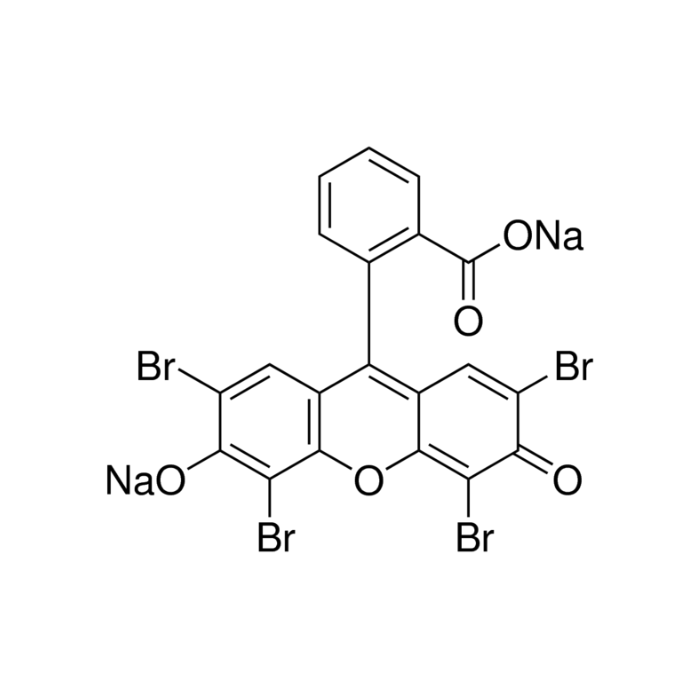
伊红(Eosin)又称曙红,属人工合成染料中的呫吨类染料,为桃红色或粉红色的粉末。伊红最适宜与苏木精配合染色以显示正常或病理组织的形态结构。水溶性伊红Y含有一个醌型苯环的发色团和两个形成钠盐的酸性助色团(R-COONa、R-ONa)。这种形成盐类的酸性染料在水中溶解时解离为带负电荷的色酸部分(R-COO、R-O-),即染料的有色部分和带正电荷的钠离子部分(Na+)。染色时伊红Y带负电荷的色酸部分与组织内带正电荷的物质以离子键的形式结合而显色。伊红染色液(EosinYStain)采用特有防腐剂,操作简单,不使用汞、甲醇等有毒试剂,可以用于组织切片或培养细胞的染色。可以和免疫荧光染色或免疫组化染色配合使用。一方面可以在伊红染色后进行免疫荧光染色或其他染料的染色,另一方面也可以在免疫组化染色后再进行伊红复染。本染色液可以重复使用,直至认为效果不佳时再换用新的染色液,染色后细胞浆呈粉红色或红色。
自备材料:1、蒸馏水 2、4%多聚甲醛 3、系列乙醇
操作步骤(仅供参考):
1、样品处理a)对于石蜡切片:二甲苯中脱蜡。换用新鲜的二甲苯,再脱蜡。b)对于冰冻切片:蒸馏水2min。c)对于培养细胞:用多聚甲醛固定。蒸馏水洗涤。换用新鲜的蒸馏水,再洗涤。
2、伊红染色对于上述处理好的样品,伊红染色液染色0.5~2min(根据染色结果和要求调整时间)。如果需要直接观察,可以用70%乙醇洗涤2次。如需脱水、透明后封片按后续步骤进行,70%乙醇洗涤后仍可按照后续步骤进行脱水、透明和封片处理。注:如果用于免疫组化等染色后的复染,参考上述步骤在其它染色完成后进行伊红染色。
3、脱水、透明、封片或进行其它染色a)脱水、透明、封片:乙醇脱水换用新鲜的乙醇再脱水。二甲苯透明。换用新鲜的二甲苯,再透明。用中性树胶或其它封片剂封片。显微镜下观察,细胞浆呈粉红色或红色。b)进行其它染色:如果进行免疫荧光染色,或进行Hoechst等荧光染料的染色,在伊红染色液染色后乙醇洗涤。PBS或生理盐水或TBS或TBST等用于免疫染色或荧光染料染色的溶液浸泡。进行免疫荧光染色或其它荧光染料的染色。
注意事项:
1、如果需要脱水、透明和封片处理,需自备二甲苯,中性树胶或其它封片剂。如果样品是石蜡切片,需自备90%乙醇,无水乙醇以及二甲苯。
2、为了您的安全和健康,请穿实验服并戴一次性手套操作。
3、本产品仅供科研使用,严禁它用。
Eosin, also known as eosin, is a xanthene dye in synthetic dyes. It is a pink or pink powder. Eosin is most suitable for staining with hematoxylin to show the morphological structure of normal or pathological tissues. Water soluble eosin Y contains a chromophore of quinone type benzene ring and two acidic chromophores (r-coona, r-ona) that form sodium salt. This salt forming acidic dye dissociates into negatively charged chromo acid moieties (r-coo, r-o-) when dissolved in water, that is, the colored part of the dye and the positively charged sodium ion part (na+). When staining, the negatively charged tryptophan part of Eosin Y combines with the positively charged substances in the tissue in the form of ionic bonds to develop color. Eosinystain is a special preservative, which is simple to operate and does not use toxic reagents such as mercury and methanol. It can be used for staining tissue sections or cultured cells. It can be used with immunofluorescence staining or immunohistochemical staining. On the one hand, it can be stained with immunofluorescence or other dyes after eosin staining, on the other hand, it can also be counterstained with eosin after immunohistochemical staining. This staining solution can be reused until the effect is considered to be poor, and then use a new staining solution. After staining, the cell plasma is pink or red.
Self prepared materials: 1. Distilled water 2. 4% paraformaldehyde 3. Series of ethanol
Operation steps (for reference only):
1. Sample processing a) for paraffin sections: dewaxing in xylene. Use fresh xylene and dewax. b) For frozen sections: distilled water for 2min. c) For cultured cells: fixed with paraformaldehyde. Wash with distilled water. Change to fresh distilled water and wash again.
2. Eosin staining for the above treated samples, eosin staining solution shall be used for 0.5~2min (the time shall be adjusted according to the staining results and requirements). If direct observation is needed, it can be washed twice with 70% ethanol. If dehydration, transparency and sealing are required, follow the subsequent steps. After washing with 70% ethanol, dehydration, transparency and sealing can still be carried out according to the subsequent steps. Note: if it is used for counterstaining after immunohistochemical staining, refer to the above steps to carry out eosin staining after other staining.
3. Dehydration, transparency, sealing or other staining a) dehydration, transparency, sealing: replace ethanol dehydration with fresh ethanol for dehydration. Xylene is transparent. Use fresh xylene and make it transparent again. Seal the film with neutral gum or other sealing agent. Under the microscope, the cytoplasm was pink or red. b) Other staining: if immunofluorescence staining or Hoechst and other fluorescent dyes are used, wash with ethanol after staining with eosin staining solution. PBS or normal saline or TBS or tbst and other solutions for immunostaining or fluorescent dye staining. Perform immunofluorescence staining or staining with other fluorescent dyes.
Precautions:
1. If dehydration, transparency and sealing treatment are required, xylene, neutral gum or other sealing agents shall be prepared by yourself. If the sample is paraffin sectioned, 90% ethanol, absolute ethanol and xylene should be prepared by yourself.
2. For your safety and health, please wear lab clothes and disposable gloves.
3. This product is for scientific research use only, and other uses are strictly prohibited.
| 作用机制 | Action Type | target ID | Target Name | Target Type | Target Organism | Binding Site Name | 参考文献 |
|---|
H317: 可能引起皮肤过敏反应
H319: 引起严重眼睛刺激
P261: 避免吸入灰尘/烟雾/气体/雾/蒸汽/喷雾
P264: 处理后要彻底洗手。
P272: 被污染的工作服不允许离开工作场所
P280: 戴防护手套/穿防护服/戴防护眼罩/戴防护面具。
P302+P352: 如皮肤沾染:用水充分清洗。
P305+P351+P338: 如进入眼睛:用水小心冲洗几分钟。如戴隐形眼镜并可方便地取出,取出隐形眼镜。继续冲洗。


 危险品化学品经营许可证(带存储)