Interferon-stimulated genes (ISGs) constitute the core effector layer for establishing the cellular antiviral state. After viral RNA is recognized by pattern recognition receptors such as RIG-I and MDA5, type I/type III interferon production can be induced through MAVS, TBK1, IRF3/IRF7, and ...
The interferon (IFN) pathway is one of the central signaling systems in host antiviral defense, innate immune activation, and immune homeostasis. Its biological essence is not a single ligand triggering a single receptor, but a multilayered network composed of “pathogen sensing - IFN induction - ...
Interleukin-29 (IL-29) is a key member of the type III interferon family and is also commonly referred to as interferon lambda 1 (IFN-λ1). IL-29 carries both an “IL-series” designation and a clear interferon-like functional identity.
Interleukins constitute a key group of cytokines produced by immune cells as well as multiple tissue-resident cell types. Their biological effects depend on the assembly of specific receptor complexes and the magnitude of downstream signal transduction, which in turn shapes immune-cell ...



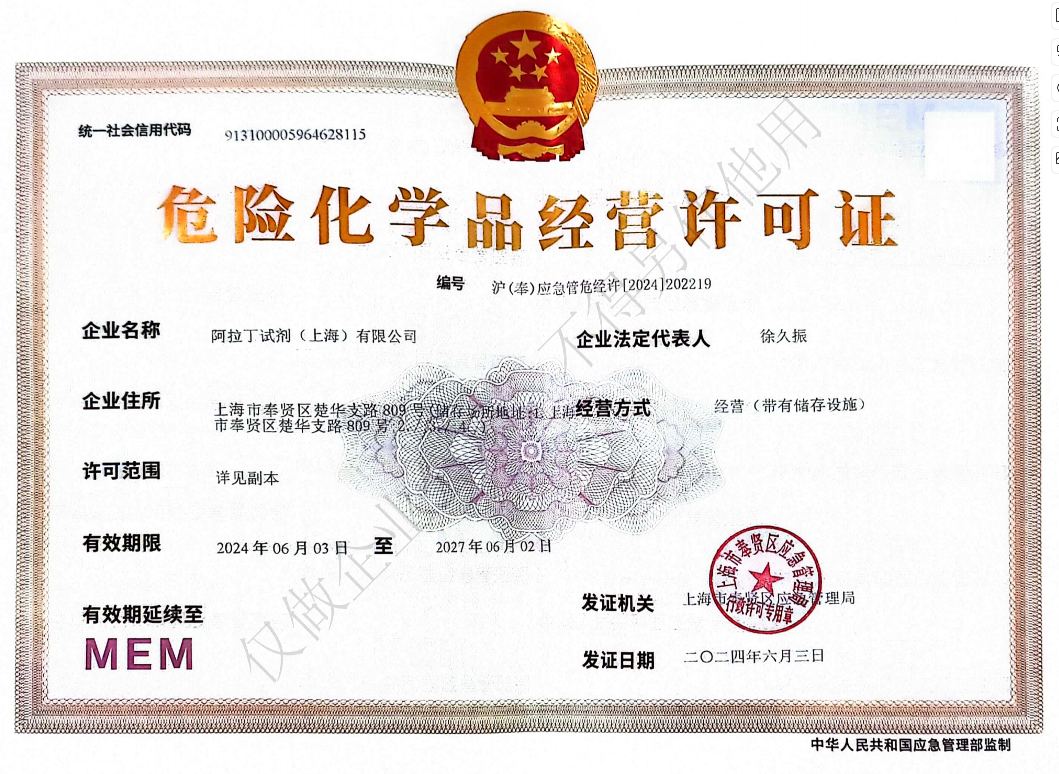 危险品化学品经营许可证(带存储)