
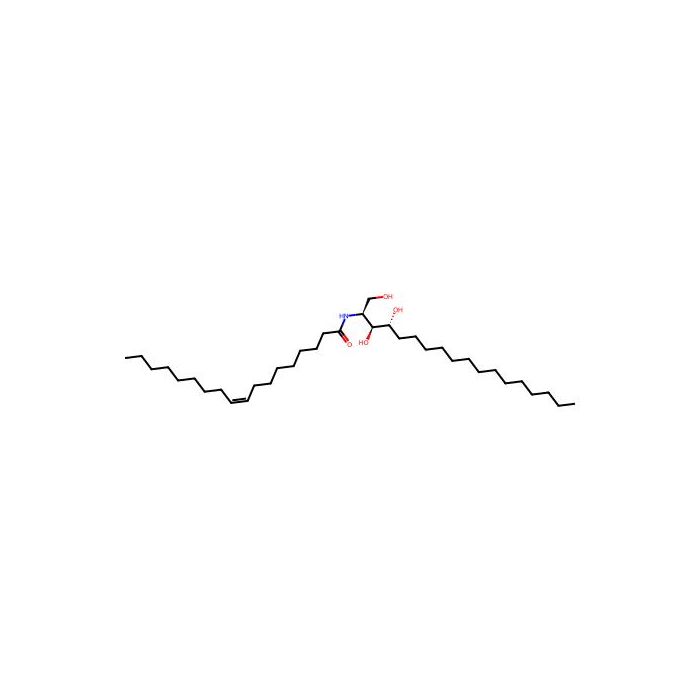
神经酰胺 3B

CAS: 178436-06-1 货号: C1498398 分子式: C36H71NO4 分子量: 581.95 EC号: 812-963-1
有货
级别和纯度: Moligand™ ? Moligand™ —— 阿拉丁的配体和生物活性小分子系列。适用于需要明确小分子工具的受体、通路和结合研究。 10 mM in DMSO
储存条件
避光,-80℃储存
运输条件
特低温运输
★
规格
库存
价格
数量
1ml
C1498398-1ml
现货 Stock Image
¥549.90
请输入您要添加的产品数量
🧪
为什么选择此级别

Moligand™ 级 ,适用于对基线干扰要求严格的色谱和分析工作流程。

🌡

储存与运输

避光,-80℃储存。特低温运输 。请查阅批次 COA 获取详细规格。

📋

质量文档

SDS、COA、产品数据表及规格说明书均可下载。可通过批号查询获取批次 COA。

📚

文献证明

在色谱分析、有机合成和交叉偶联反应领域已被 0 篇同行评审文献引用。

概述


Ceramide 3B is a ceramide 3 lipid class with aggregation behavior. Ceramide 3B has a variety of physiological functions and can serve as a penetration enhancer and auxiliary emulsifier, playing an important role in barrier function stability .

规格

规格或纯度
Moligand™, 10 mM in DMSO
英文名称
Ceramide 3B
储存条件
避光,-80℃储存
运输条件
特低温运输
名称和识别符
EC号
812-963-1
分子类型
小分子
分子量
581.95

技术文档

📋 安全数据表 (SDS)

全面的危险、操作、储存及法规合规文件。

下载 SDS →

✅ 分析证书 (COA)

批次质量数据。输入批号以获取对应 COA。

查询 COA →

📊 产品数据表

产品规格和应用的快速参考摘要。

查看数据表 →

🔬 规格说明书

该级别的完整质量属性和验收标准。

查看规格说明 →

高级数据

质检证书(CoA,COO,BSE/TSE 和分析图谱)
C of A & Other Certificates(BSE/TSE, COO):
输入批号以搜索分析图谱:

通过匹配包装上的批号来查找并下载产品的 COA,每批产品都进行了严格的验证,您可放心使用!

找到1个结果

批号(Lot Number) 证书类型 货号
C2609662 分析证书 C1498398
技术文档和文章
从角质层脂质屏障理解神经酰胺:保湿与屏障修护机制、成分选择与配方研究思路
Understanding Ceramides from the Perspective of the Stratum Corneum Lipid Barrier: Moisturizing and Barrier-Repair Mechanisms, Ingredient Selection, and Formulation Research Considerations
水解珍珠原料解析:制备工艺、活性成分与护肤配方应用
Analysis of Hydrolyzed Pearl as a Cosmetic Raw Material: Preparation Process, Active Components, and Skincare Formulation Applications
皮肤护理中的益生菌、益生元与后生元:概念辨析、作用机制及其在干痒与粗糙护理中的应用
Probiotics, Prebiotics, and Postbiotics in Skin Care: Conceptual Distinctions, Mechanisms of Action, and Their Applications in the Care of Dry, Itchy, and Rough Skin
海藻糖的保湿与低水分保护机制:从α,α-1,1结构、水合动力学到皮肤屏障相关体外研究
The Moisturizing and Low-Moisture Protective Mechanisms of Trehalose: From Its α,α-1,1 Structure and Hydration Dynamics to In Vitro Skin Barrier Research
青刺果油对皮肤屏障的保护与潜在修护机制:脂肪酸组成、表皮脂质代谢及研究证据
Protective and Potential Reparative Mechanisms of Prinsepia utilis Seed Oil on the Skin Barrier: Fatty Acid Composition, Epidermal Lipid Metabolism, and Research Evidence
PCA锌的皮脂调节潜力及其与角质层水合的关系
The Sebum-Regulating Potential of Zinc PCA and Its Relationship with Stratum Corneum Hydration
纤连蛋白的结构与功能:细胞黏附、皮肤创伤修复与外用应用
Structure and Functions of Fibronectin: Cell Adhesion, Cutaneous Wound Repair, and Topical Applications
传明酸在色斑护理中的作用机制:从纤溶酶系统到炎症促黑信号调节
Mechanism of Action of Tranexamic Acid in Pigmentation Care: From the Plasmin System to Regulation of Inflammation-Driven Pro-Melanogenic Signaling
富果聚糖麦冬块根提取物的保湿与皮肤屏障支持机制
Mechanisms by Which Fructan-Rich Ophiopogon japonicus Tuberous Root Extract Supports Skin Moisturization and Barrier Function
灵芝提取物的结构—功能关系:多糖与三萜的皮肤保护作用及配方递送策略
Structure–Function Relationships of Ganoderma lucidum Extract: Skin-Protective Effects of Polysaccharides and Triterpenoids and Formulation Delivery Strategies
烟酰胺提亮机制与配方设计:黑素小体转移、pH调控与复配策略
Niacinamide Brightening Mechanisms and Formulation Design: Melanosome Transfer, pH Regulation, and Combination Strategies
依克多因如何调节皮肤水合:两性离子结构、优先水合与屏障支持机制
How Ectoine Regulates Skin Hydration: Zwitterionic Structure, Preferential Hydration, and Barrier-Support Mechanisms
角鲨烷的结构、润肤保湿作用与来源鉴别:从角鲨烯完全氢化到稳定同位素分析
Structure, Emollient and Moisturizing Effects, and Source Identification of Squalane: From Complete Hydrogenation of Squalene to Stable Isotope Analysis
泛醇的角质层渗透与皮肤作用机制:保湿、屏障修护及舒缓作用
Stratum Corneum Penetration and Skin Mechanisms of Panthenol: Moisturization, Barrier Repair, and Soothing Effects
溶液计算器

常见问题

「Moligand?」是什么?
「Moligand?」是阿拉丁科学的高端产品线之一,专为多个工作流程中的高纯度应用而设计。与同类工作流程中的标准级别相比,「Moligand?」产品通常具有更严格的规格、更严谨的 QC 以及更强的批间一致性。
本产品应如何储存?
请于?80 °C、避光条件下保存。本品对光敏感,请保存在原始的避光或棕色容器中。
本产品如何运输?
本产品采用干冰配冷袋冷冻运输。收货后请立即拆包,并按上述储存条件保存;处理干冰时请戴隔热手套并保持通风。
本产品的 CAS 号、分子式和分子量是多少?
本产品的 CAS 号为 178436-06-1,分子式为 C36H71NO4,分子量为 581.95 g/mol。
如何获取批次专用COA?
每个订单都会随附分析证书(COA),您也可以从账户订单历史中下载。如需订购前的COA,请联系您的客户代表,或使用PDP上的"申请COA"按钮——我们将提供代表性批次的COA。

需要帮助选择级别?

我们的级别选择指南涵盖了目录中所有的变体的纯度、稳定剂状态和应用适用性。

查看 Moligand™ 级别指南 →
