
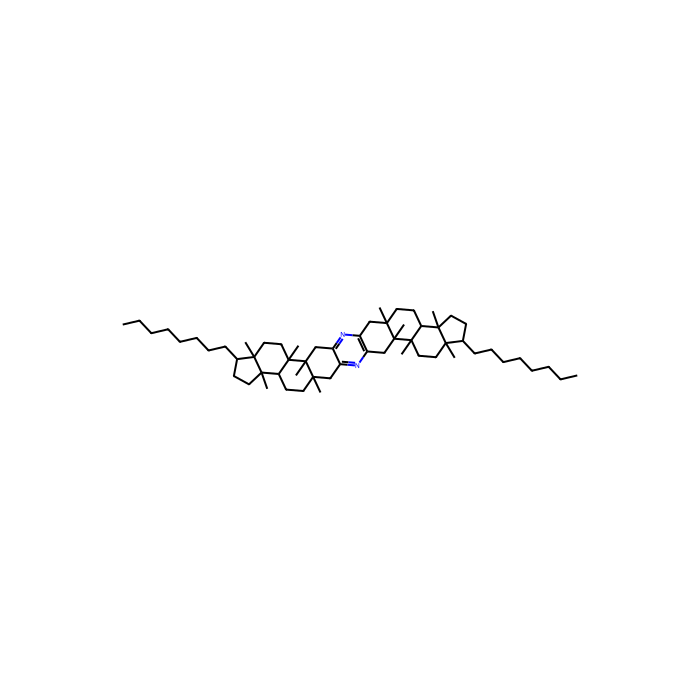
 L2205702
计算溶液所需的质量、体积或浓度。
| 活性类型 | Relation | Activity value | Units | Action Type | 期刊 | PubMed Id | doi | Assay Aladdin ID |
|---|
EnzymoPure™ 级 ,适用于对基线干扰要求严格的色谱和分析工作流程。
室温。常规运输 。请查阅批次 COA 获取详细规格。
SDS、COA、产品数据表及规格说明书均可下载。可通过批号查询获取批次 COA。
在色谱分析、有机合成和交叉偶联反应领域已被 35 篇同行评审文献引用。
Crude collagenase preparations contain several isoforms of two different collagenases, a sulfhydryl protease, clostripain, a trypsin-like enzyme, and an aminopeptidase. This combination of collagenolytic and proteolytic activities is effective at breaking down intercellular matrices, the essential part of tissue dissociation. One component of the complex is a hydrolytic enzyme which degrades the helical regions in native collagen preferentially at the Y-Gly bond in the sequence Pro-Y-Gly-Pro, where Y is most frequently a neutral amino acid. This cleavage yields products susceptible to further peptidase digestion. Crude collagenase is inhibited by metal chelating agents such as cysteine, EDTA or o-phenanthroline but not DFP. It is also inhibited by α2-macroglobulin, a large plasma glycoprotein. Ca2+ is required for enzyme activity. Particular enzymatic profiles of each collagenase have been correlated with the tissues from which the cells for study were obtained (or with the uses to which the cells are put) and as a result of the correlations several types of crude collagenases have been established by Aladdin: Types 1, 2, 3, and 4.This collagenase has been tested with cell lines to verify the product is not cytotoxic. Collagenase is typically used to digest the connective components in tissue samples to liberate individual cells. The concentration for cartilage dispersal is 1-2 mg/ml, but literature searches should be performed for species specific and/or tissue specific concentrations.
Crude collagenase preparations contain several isoforms of two different collagenases, a sulfhydryl protease, clostripain, a trypsin-like enzyme, and an aminopeptidase. This combination of collagenolytic and proteolytic activities is effective at breaking down intercellular matrices, the essential part of tissue dissociation. One component of the complex is a hydrolytic enzyme which degrades the helical regions in native collagen preferentially at the Y-Gly bond in the sequence Pro-Y-Gly-Pro, where Y is most frequently a neutral amino acid. This cleavage yields products susceptible to further peptidase digestion. Crude collagenase is inhibited by metal chelating agents such as cysteine, EDTA or o-phenanthroline but not DFP. It is also inhibited by α2-macroglobulin, a large plasma glycoprotein. Ca2+ is required for enzyme activity. Particular enzymatic profiles of each collagenase have been correlated with the tissues from which the cells for study were obtained (or with the uses to which the cells are put) and as a result of the correlations several types of crude collagenases have been established by Aladdin: Types 1, 2, 3, and 4.
This collagenase has been tested with cell lines to verify the product is not cytotoxic. Collagenase is typically used to digest the connective components in tissue samples to liberate individual cells. The concentration for cartilage dispersal is 1-2 mg/ml, but literature searches should be performed for species specific and/or tissue specific concentrations.
| 作用机制 | Action Type | target ID | Target Name | Target Type | Target Organism | Binding Site Name | 参考文献 |
|---|


 危险品化学品经营许可证(带存储)