
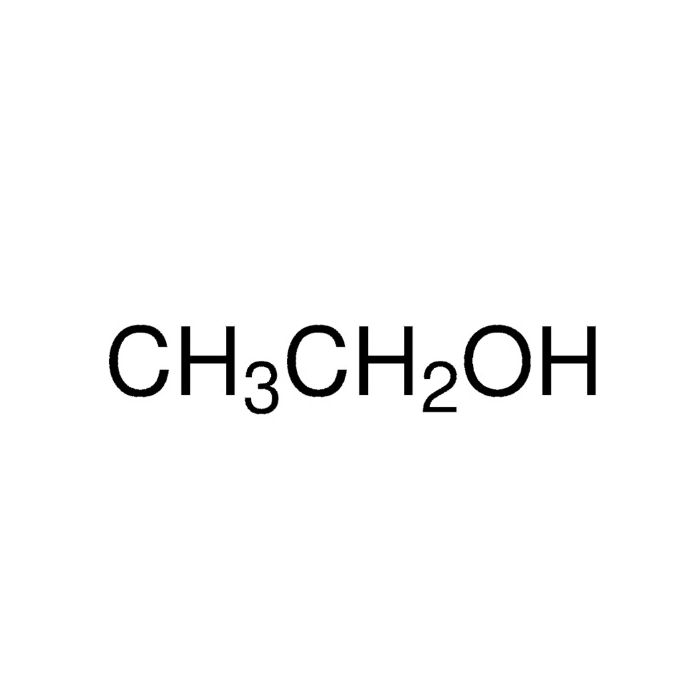
乙醇

CAS: 64-17-5 货号: E1521120 分子式: CH3CH2OH 分子量: 46.07 Beilstein号: 1718733 EC号: 200-578-6
有货
级别和纯度: 超干级 ? 超干 —— 水含量极低,包装隔绝水分。适用于对水敏感的反应和无水化学。 ≥99.5% water≤50 ppm
储存条件
室温,干燥
运输条件
DG运输
★
规格
库存
价格
数量
100ml
E1521120-100ml
期货 Stock Image
¥186.90
500ml
E1521120-500ml
期货 Stock Image
¥362.90
1L
E1521120-1L
期货 Stock Image
¥439.90
请输入您要添加的产品数量
🧪
为什么选择此级别

超干级 提供 ≥99.5% 纯度,适用于对基线干扰要求严格的色谱和分析工作流程。

🌡

储存与运输

室温,干燥。DG运输 。请查阅批次 COA 获取详细规格。

📋

质量文档

SDS、COA、产品数据表及规格说明书均可下载。可通过批号查询获取批次 COA。

📚

文献证明

在色谱分析、有机合成和交叉偶联反应领域已被 13373 篇同行评审文献引用。

概述

有愉快的气味和灼烧味,易流动,极易从空气中吸收水分,能与水和氯仿、乙醚等多种有机溶剂混溶。能与水形成共沸混合物(含水4.43%),易燃。蒸气与空气能形成爆炸性混合物,爆炸极限3.5%-18.9%(体积)。


规格

规格或纯度
超干级, ≥99.5%, water≤50 ppm
英文名称
Ethanol
储存条件
室温,干燥
运输条件
DG运输
纯度
≥99.5%
名称和识别符
EC号
200-578-6
分子类型
小分子
IUPAC Name
ethanol
INCHI
1S/C2H6O/c1-2-3/h3H,2H2,1H3
InChi Key
LFQSCWFLJHTTHZ-UHFFFAOYSA-N
Smiles
CCO
Isomeric SMILES
CCO
UN Number
Packing Group
II
分子量
46.07
Beilstein号
1718733

技术文档

📋 安全数据表 (SDS)

全面的危险、操作、储存及法规合规文件。

下载 SDS →

✅ 分析证书 (COA)

批次质量数据。输入批号以获取对应 COA。

查询 COA →

📊 产品数据表

产品规格和应用的快速参考摘要。

查看数据表 →

🔬 规格说明书

该级别的完整质量属性和验收标准。

查看规格说明 →

高级数据

系统学分类

分类树(Taxonomy Tree)

界(kingdom) 有机化合物
超类(Superclass) 有机氧化合物
类(Class) 有机氧化合物
亚类(Subclass) 醇和多元醇
中间层级节点(Intermediate Tree Nodes) 暂无
直接上位类(Direct Parent) 伯醇
其他上位类(Alternative Parents) 碳氢化合物衍生物  
分子骨架(Molecular Framework) 脂肪族无环化合物
取代基(Substituents) 脂肪族非环化合物 - 烃衍生物 - 初级醇
描述(Description) 该化合物属于有机化合物中的伯醇类。这类化合物含有伯醇官能团,通式为RCOH(R=烷基、芳基)。
外部描述符(External Descriptors) a primary alcohol - a short-chain alcohol
三维结构
交互式化学结构模型


关联靶点(人)
KCNJ6 Tchem G蛋白激活内向整流钾通道2(G protein-activated inward rectifier potassium channel 2) (0 活性数据)
活性类型 活性值-log(M) 作用机制 期刊 参考文献(PubMed IDs)
TRPV6 Tchem 瞬时受体电位阳离子通道亚家族V成员6(Transient receptor potential cation channel subfamily V member 6) (0 活性数据)
活性类型 活性值-log(M) 作用机制 期刊 参考文献(PubMed IDs)
HTR3A Tclin 5-羟色胺受体 3A(5-hydroxytryptamine receptor 3A) (0 活性数据)
活性类型 活性值-log(M) 作用机制 期刊 参考文献(PubMed IDs)
KCNJ3 Tchem G蛋白激活内向整流钾通道1(G protein-activated inward rectifier potassium channel 1) (0 活性数据)
活性类型 活性值-log(M) 作用机制 期刊 参考文献(PubMed IDs)
KCNJ5 Tchem G蛋白激活内向整流钾通道4(G protein-activated inward rectifier potassium channel 4) (0 活性数据)
活性类型 活性值-log(M) 作用机制 期刊 参考文献(PubMed IDs)
化学和物理性质
密度
0.789
折光率
1.3600 (lit.)
闪点(℃)
13°C
沸点
78.15°C
熔点
-114.1°C
分子量
46.070 g/mol
XLogP3
-0.100
氢键供体数Hydrogen Bond Donor Count
1
氢键受体数Hydrogen Bond Acceptor Count
1
可旋转键计数Rotatable Bond Count
0
精确质量Exact Mass
46.0419 Da
单同位素质量Monoisotopic Mass
46.0419 Da
拓扑极表面积Topological Polar Surface Area
20.200 Ų
重原子数Heavy Atom Count
3
形式电荷Formal Charge
0
复杂度Complexity
2.800
同位素原子数Isotope Atom Count
0
定义的原子立体中心计数Defined Atom Stereocenter Count
0
未定义的原子立体中心计数Undefined Atom Stereocenter Count
0
定义的键立体中心计数Defined Bond Stereocenter Count
0
未定义的键立体中心计数Undefined Bond Stereocenter Count
0
所有立体化学键的总数The total count of all stereochemical bonds
0
共价键合单元计数Covalently-Bonded Unit Count
1
安全和危险性(GHS)
一般危化品
一般危化品
象形图
GHS02,   GHS07
信号词
危险
危险声明

H225: 高度易燃的液体和蒸气

H319: 引起严重眼睛刺激

预防措施声明

P210: 远离热源,热表面,火花,明火和其他点火源。 - 禁止抽烟。

P233: 保持容器密闭。

P240: 地面/粘结容器和接收设备

P241: 使用防爆的[电气/通风/照明/.../]设备。

P242: 仅使用无火花的工具。

P243: 采取防静电措施

P264: 处理后要彻底洗手。

P280: 戴防护手套/穿防护服/戴防护眼罩/戴防护面具。

P303+P361+P353: 如皮肤(或头发)沾染:立即脱掉所有沾染的衣服。用水清洗皮肤/淋浴。

P305+P351+P338: 如进入眼睛:用水小心冲洗几分钟。如戴隐形眼镜并可方便地取出,取出隐形眼镜。继续冲洗。

P337+P313: 如仍觉眼刺激:求医/就诊。

P370+P378: 火灾时:使用干砂、干粉或抗醇泡沫灭火。

P403+P235: 存放在通风良好的地方。保持低温。

P501: 将内容物/容器处理到。。。

WGK Germany
1
Class
3
个人防护装备
Eyeshields, Faceshields, full-face respirator (US), Gloves, multi-purpose combination respirator cartridge (US), type ABEK (EN14387) respirator filter
质检证书(CoA,COO,BSE/TSE 和分析图谱)
C of A & Other Certificates(BSE/TSE, COO):
输入批号以搜索分析图谱:

通过匹配包装上的批号来查找并下载产品的 COA,每批产品都进行了严格的验证,您可放心使用!

找到6个结果

批号(Lot Number) 证书类型 货号
G2617257 分析证书 E1521120
G2617258 分析证书 E1521120
G2617259 分析证书 E1521120
E2614196 分析证书 E1521120
E2614197 分析证书 E1521120
E2614279 分析证书 E1521120
技术文档和文章
硅烷偶联剂底涂液的配制方法与注意事项
Preparation Methods and Precautions for Silane Coupling Agent Primer Solutions
石墨烯油墨为什么难做:从片层分散到可打印导电图案
Why Graphene Inks Are Difficult to Make: From Sheet Dispersion to Printable Conductive Patterns
橘黄G6、EA36与EA50在巴氏染色体系中的功能区分
Functional Distinction among Orange G-6, EA36, and EA50 in the Papanicolaou Staining System
组织和细胞样品固定中戊二醛、多聚甲醛与福尔马林的应用区别
Application Differences Among Glutaraldehyde, Paraformaldehyde, and Formalin in Tissue and Cell Sample Fixation
微生物形态鉴别的观察体系、染色方法与结果判读
Microbial Morphological Identification: Observation Systems, Staining Methods, and Result Interpretation
ZnO 纳米颗粒电子传输层如何降低有机光电探测器暗电流:作用机制、成膜质量与材料选择
How ZnO Nanoparticle Electron Transport Layers Reduce Dark Current in Organic Photodetectors: Mechanisms, Film Quality, and Material Selection
酚醛树脂为什么耐热、耐化学性好?从分子结构到固化网络解析性能来源
Why Do Phenolic Resins Have Good Heat and Chemical Resistance? Analyzing the Source of Their Performance from Molecular Structure to Cured Networks
酚醛树脂在涂料中的选型与配方设计要点:适用场景、应用限制与性能验证
Selection and Formulation Design Guidelines for Phenolic Resins in Coatings: Applicable Scenarios, Application Limitations, and Performance Verification
天然成膜树脂虫胶在涂料中的应用:醇溶快干成膜、封闭修复与性能边界
Application of Shellac, a Natural Film-Forming Resin, in Coatings: Alcohol-Soluble Fast-Drying Film Formation, Sealing and Repair, and Performance Boundaries
天然漆耐久性的化学基础:漆酚结构、氧化聚合成膜与涂膜性能
The Chemical Basis of Natural Lacquer Durability: Urushiol Structure, Oxidative Polymerization Film Formation, and Coating Film Properties
涂料配方中的树脂极性:从分子结构到溶解、相容、界面作用与配方设计
Resin Polarity in Coating Formulations: From Molecular Structure to Dissolution, Compatibility, Interfacial Interactions, and Formulation Design
脂肪酸甲酯磺酸盐(MES)在日化洗涤清洁配方中的应用:去污、硬水适应性与选用要点
Application of Fatty Acid Methyl Ester Sulfonate (MES) in Household Detergent and Cleaning Formulations: Detergency, Hard-Water Tolerance, and Selection Criteria
日化配方中溶剂、共溶剂与增溶体系:分类、作用与选型指南
Solvents, Co-solvents, and Solubilization Systems in Home and Personal Care Formulations: Classification, Functions, and Selection Guide
从结构到流变:卡波姆如何形成凝胶结构并实现增稠、悬浮与乳液辅助稳定?
From Structure to Rheology: How Carbomer Forms Gel Structures and Enables Thickening, Suspension, and Auxiliary Emulsion Stabilization
同属醇类,为什么甘油偏保湿、丙二醇偏助溶、异丙醇偏速干?——从结构差异看日化配方功能
Why Do Alcohols Differ in Function: Why Is Glycerol Mainly Moisturizing, Propylene Glycol Mainly Solubilizing, and Isopropyl Alcohol Fast-Drying? — Understanding Personal Care Formulation Functions from Structural Differences
小防白、大防白、PnB和DPnB:丁基醇醚在硬表面清洁配方中的作用机制与选型
Xiao Fang Bai, Da Fang Bai, PnB and DPnB: Mechanisms and Selection of Butyl Glycol Ethers in Hard-Surface Cleaning Formulations
异丙苯磺酸钠如何改善水基清洁配方稳定性:从结构、相行为到选型判断
How Sodium Cumenesulfonate Improves the Stability of Water-Based Cleaning Formulations: From Structure and Phase Behavior to Selection Criteria
柠檬烯为何能软化油污却难溶于水:从分子结构理解天然来源溶剂的清洁机理与配方应用
Why Limonene Can Soften Greasy Soils Yet Is Difficult to Dissolve in Water: Understanding the Cleaning Mechanism and Formulation Applications of Naturally Derived Solvents from Molecular Structure
从分子结构看除油剂:AEO、APG 等如何替代壬基酚聚氧乙烯醚(NPE)
Degreasing Agents from a Molecular-Structure Perspective: How AEO, APG, and Related Surfactants Can Replace Nonylphenol Ethoxylates (NPE)
不仅是 pH 调节剂:柠檬酸在日化清洁中的作用机理、选型逻辑与替代酸源分析
More Than a pH Adjuster: Mechanisms, Selection Logic, and Alternative Acid Source Analysis of Citric Acid in Home-Care Cleaning
蚀刻剂是什么?金相组织的蚀刻显现机理、选型方法与相关湿法蚀刻试剂应用
What Is an Etchant? Etching Mechanisms for Revealing Metallographic Microstructures, Selection Methods, and Applications of Related Wet-Etching Reagents
日化配方泡沫下降的机理与排查:破膜、界面弱膜、表活供给不足和相态扰动
Mechanisms and Troubleshooting of Foam Reduction in Personal and Household Care Formulations: Film Rupture, Weak Interfacial Films, Insufficient Surfactant Supply, and Phase-State Disturbance
中性腻子配方中木薯与玉米来源预糊化淀粉的区别及应用选择
Differences and Application Selection of Cassava- and Corn-Based Pregelatinized Starch in Neutral Putty Formulations
胃溃疡动物模型的建立与评价:化学诱导、应激损伤、感染模型和愈合研究
Establishment and Evaluation of Animal Models of Gastric Ulcer: Chemical Induction, Stress Injury, Infection Models, and Healing Studies
急性肝损伤动物模型的建立方法与实验评价
Methods for Establishing and Evaluating Animal Models of Acute Liver Injury
谷胱甘肽外用护肤机制解析:细胞氧化还原调节、皮肤递送难点与 SLNs 递送策略
Mechanistic Analysis of Topical Glutathione in Skincare: Cellular Redox Regulation, Skin Delivery Challenges, and SLN-Based Delivery Strategies
阿魏酸在护肤中的抗氧化机制、维生素C/E协同与稳定递送应用
Antioxidant Mechanisms of Ferulic Acid in Skincare, Vitamin C/E Synergy, and Stable Delivery Applications
肝纤维化动物模型构建与评价:毒性损伤、胆汁淤积、免疫炎症和代谢相关模型
Construction and Evaluation of Hepatic Fibrosis Animal Models: Toxic Injury, Cholestasis, Immune Inflammation, and Metabolism-Related Models
胰腺炎动物模型构建与评价:急性炎症、慢性纤维化和病因模拟研究
Construction and Evaluation of Pancreatitis Animal Models: Acute Inflammation, Chronic Fibrosis, and Etiological Simulation Research
多孔二氧化硅在控油散粉中的作用机理:孔结构、毛细浸润与表面改性
Mechanism of Action of Porous Silica in Oil-Control Loose Powder: Pore Structure, Capillary Imbibition, and Surface Modification
辛酰水杨酸的结构、角质层分布与角质调理机制:屏障影响与安全性评价
Structure, Stratum Corneum Distribution, and Stratum Corneum Conditioning Mechanism of Capryloyl Salicylic Acid: Barrier Effects and Safety Evaluation
银耳多糖的保湿机制:从多糖结构、水合流变到皮肤表面动态成膜
Moisturizing Mechanisms of Tremella fuciformis Polysaccharides: From Polysaccharide Structure and Hydration Rheology to Dynamic Film Formation on the Skin Surface
环化如何改变多肽行为:以Cyclopeptide-5为例解析构象预组织、皮肤递送与整合素结合
How Cyclization Changes Peptide Behavior: Conformational Preorganization, Skin Delivery, and Integrin Binding, Using Cyclopeptide-5 as an Example
生物模拟肽的皮肤作用逻辑:序列与构象、皮肤递送、稳定性及靶点匹配
The Logic of Biomimetic Peptide Action in Skin: Sequence and Conformation, Skin Delivery, Stability, and Target Matching
辅酶Q10如何作用于皮肤:线粒体电子传递、膜脂抗氧化与脂质载体递送
How Coenzyme Q10 Acts on the Skin: Mitochondrial Electron Transfer, Antioxidant Protection of Membrane Lipids, and Lipid-Carrier Delivery
灵芝提取物的结构—功能关系:多糖与三萜的皮肤保护作用及配方递送策略
Structure–Function Relationships of Ganoderma lucidum Extract: Skin-Protective Effects of Polysaccharides and Triterpenoids and Formulation Delivery Strategies
1,8-萘啶型醛糖还原酶抑制剂:骨架构建、体外抑制活性与结构优化方向
1,8-Naphthyridine-Based Aldose Reductase Inhibitors: Scaffold Construction, In Vitro Inhibitory Activity, and Directions for Structural Optimization
LY3509754关键α-溴代酮的构建:β-氧代酯策略与酶促酯水解后的伴随脱羧
Construction of the Key α-Bromoketone Intermediate for LY3509754: A β-Keto Ester Strategy and Concomitant Decarboxylation Following Enzymatic Ester Hydrolysis
ACT-1014-6470公斤级合成:未保护吡唑的N7选择性还原胺化、后续N2烷基化与分子内脲化
ACT-1014-6470 Kilogram-Scale Synthesis: N7-Selective Reductive Amination of an Unprotected Pyrazole, Subsequent N2 Alkylation, and Intramolecular Urea Formation
LY3509754关键α-溴代酮的构建:β-氧代酯策略与酶促酯水解后的伴随脱羧
Construction of the Key α-Bromoketone Intermediate for LY3509754: A β-Keto Ester Strategy and Concomitant Decarboxylation Following Enzymatic Ester Hydrolysis
此产品的引用文献
溶液计算器

常见问题

本产品的纯度是多少?
本产品的化学纯度(含量)为 ≥99.5%。批次的具体数值以分析证书(COA)为准。
什么是「超干级」?
「超干级」表示该物料经过加工和检测,适用于对水分敏感的化学反应。规格侧重于影响该应用性能的杂质——例如,电子应用的金属含量、电池应用的粒度、光学应用的折射率,或对水分敏感工艺的水分含量。
本产品应如何储存?
请于室温、干燥条件下保存。请与干燥剂一同密封保存,本品对湿气敏感。
本产品如何运输?
本产品属危险品,通过 FedEx DG Service 运输。不提供陆运及其他经济型服务,部分目的地或地址类型可能受限。
本产品的 CAS 号、分子式和分子量是多少?
本产品的 CAS 号为 64-17-5,分子式为 C2H6O,分子量为 46.07 g/mol。InChIKey LFQSCWFLJHTTHZ-UHFFFAOYSA-N。
如何获取批次专用COA?
每个订单都会随附分析证书(COA),您也可以从账户订单历史中下载。如需订购前的COA,请联系您的客户代表,或使用PDP上的"申请COA"按钮——我们将提供代表性批次的COA。
