
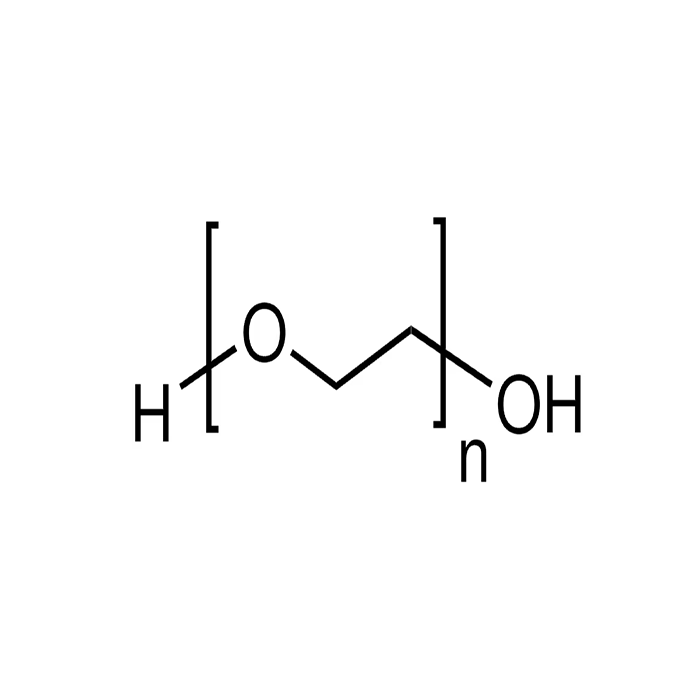
聚乙二醇3000(PEG 3000)

CAS: 25322-68-3 货号: P615522 分子式: HO(CH2CH2O)nH EC号: 500-038-2
有货
级别和纯度: 适用于合成 ? 合成级 —— 供化学合成和制备工作的实用纯度。当不需要分析纯度时作为经济的试剂使用。 3000
别名
聚(乙二醇), 聚乙二醇,聚环氧乙烷,聚氧乙烯,PEG 3000, PEG
储存条件
室温
运输条件
常规运输
★
规格
库存
价格
数量
250g
P615522-250g
现货 Stock Image
¥149.90
1kg
P615522-1kg
现货 Stock Image
¥399.90
5kg
P615522-5kg
现货 Stock Image
¥1,399.90
请输入您要添加的产品数量
🧪
为什么选择此级别

适用于合成 级 ,适用于对基线干扰要求严格的色谱和分析工作流程。

🌡

储存与运输

室温。常规运输 。请查阅批次 COA 获取详细规格。

📋

质量文档

SDS、COA、产品数据表及规格说明书均可下载。可通过批号查询获取批次 COA。

📚

文献证明

在色谱分析、有机合成和交叉偶联反应领域已被 3253 篇同行评审文献引用。

概述

应用
聚乙二醇3000可用于:
1,作为单分散磁铁矿胶体磁性纳米颗粒合成中的表面改性剂。
2,作为木葡聚糖寡糖还原端特异性纤维二糖水解酶(oligoxyloglucan reducing-end specific cellobiohydrolase, OXG-RCBH)悬滴蒸气扩散法结晶中的沉淀剂。
3,作为溶剂和相转移催化剂(PTC)用于双水相络合萃取(aqueous biphasic reactive extraction)。
4,作为添加剂制备聚砜膜,用于孔径分析研究。

Application
Polyethylene glycol 3000 can be used as:
1,A surface-modification agent in the synthesis of monodispersed magnetite colloidal magnetic nanoparticles.
2,A precipitating agent in the crystallization of oligoxyloglucan reducing-end specific cellobiohydrolase (OXG-RCBH) by the hanging-drop vapor diffusion method.
3,A solvent and phase-transfer catalyst (PTC) in the application of aqueous biphasic reactive extraction.
4,An additive in the preparation of polysulfone membrane to study the porometry.

规格

别名
聚(乙二醇), 聚乙二醇,聚环氧乙烷,聚氧乙烯,PEG 3000, PEG
英文别名
Poly(ethylene glycol), Polyethylene glycol 3000, Polyglycol, Polyethylene oxide, Polyoxy ethylene, PEG 3000, PEG
规格或纯度
适用于合成, 3000
英文名称
Polyethylene glycol(PEG 3000)
储存条件
室温
运输条件
常规运输
名称和识别符
分子类型
未知
Reaxy-Rn
505945
Reaxys-RN link address
https://www.reaxys.com/reaxys/secured/hopinto.do?context=S&query=IDE.XRN=505945&ln=

技术文档

📋 安全数据表 (SDS)

全面的危险、操作、储存及法规合规文件。

下载 SDS →

✅ 分析证书 (COA)

批次质量数据。输入批号以获取对应 COA。

查询 COA →

📊 产品数据表

产品规格和应用的快速参考摘要。

查看数据表 →

🔬 规格说明书

该级别的完整质量属性和验收标准。

查看规格说明 →

高级数据

产品属性
pH 4-7 (20 °C, 100 g/L in H2O)
化学和物理性质
密度
1.21 g/cm3 at 20 °C
折光率
1.460
闪点(℉)
519.8 °F
闪点(℃)
271.00 °C
沸点
> 200 °C
熔点
61-64℃
安全和危险性(GHS)
WGK Germany
1
Merck Index
7568
个人防护装备
Eyeshields,Gloves,type N95 (US),type P1 (EN143) respirator filter
质检证书(CoA,COO,BSE/TSE 和分析图谱)
C of A & Other Certificates(BSE/TSE, COO):
输入批号以搜索分析图谱:

通过匹配包装上的批号来查找并下载产品的 COA,每批产品都进行了严格的验证,您可放心使用!

找到11个结果

批号(Lot Number) 证书类型 货号
H2614698 分析证书 P615522
H2614699 分析证书 P615522
H2614700 分析证书 P615522
D2503374 分析证书 P615522
D2503385 分析证书 P615522
D2503393 分析证书 P615522
L2504043 分析证书 P615522
A2411756 分析证书 P615522
A2411757 分析证书 P615522
A2513314 分析证书 P615522
G2424017 分析证书 P615522
技术文档和文章
酵母双杂交(Y2H技术)
“适用于合成”级——清晰而实用的指南
“For Synthesis” grade — a clear and practical guide
酶保护剂及延长酶活性的常用方法
Enzyme Protectants and Common Methods to Prolong Enzymatic Activity
如何使用透析袋对样品进行缓冲液置换
Buffer exchange of a sample using a dialysis bag
为什么含生物素的多肽在生物素检测中会呈阴性?
Why Can Biotinylated Peptides Test Negative in Biotin Assays?
如何选择血浆游离DNA的提取试剂
How to Choose Plasma Cell-Free DNA Extraction Reagents
转化与转染的区别
Differences Between Transformation and Transfection
PEG化技术在药物修饰与递送中的应用:蛋白、多肽、小分子及脂质体
PEGylation in Drug Modification and Delivery: Applications to Proteins, Peptides, Small Molecules and Liposomes
聚乙二醇(PEG)的性质、多领域应用及产品选型指南
Polyethylene Glycol (PEG): Properties, Applications Across Multiple Fields, and Product Selection Guide
PEG–透析袋法蛋白质浓缩
PEG–Dialysis Tubing Method for Protein Concentration
Super Fluor 680 / 750 近红外染料在小动物活体荧光成像中的应用指南
Application Guide to Super Fluor 680 / 750 Near-Infrared Dyes for In Vivo Small-Animal Fluorescence Imaging
7种DNA连接酶的作用及特点
7 Types of DNA Ligases: Functions and Features
NHS 活化酯抗体标记的通用原理、F/P 计算与 Troubleshooting 指南
General Principles of Antibody Labeling with NHS-Activated Esters, F/P Calculation, and Troubleshooting Guide
聚乙二醇(PEG)及其衍生物:端基设计与在 PROTAC、ADC 和医疗器械中的应用
Polyethylene Glycol (PEG) and Its Derivatives: End-Group Design and Applications in PROTACs, ADCs, and Medical Device
外泌体的来源、生物学功能、分离鉴定与应用前沿
Sources, Biological Functions, Isolation/Characterization, and Emerging Applications of Exosomes
PEG 基水凝胶光交联与图案化(2D/3D):原理、方法对比与产品选型指引
Photo-Crosslinking and Patterning of PEG-Based Hydrogels (2D/3D): Principles, Method Comparisons, and Product Selection Guidelines
SOFC 固体氧化燃料电池:从“是什么与怎么发电”到关键材料地图、应用场景与选型导航(电解质/电极/互连体/封接)
SOFC Solid Oxide Fuel Cells: From “What It Is and How It Generates Power” to a Key Materials Map, Application Scenarios, and Selection Navigation (Electrolytes / Electrodes / Interconnects / Sealing)
SPPS 多肽固相合成树脂选型全指南:Fmoc/Boc 路线、C 端酸/酰胺与关键参数导航
A Complete Guide to Choosing Resins for SPPS (Solid-Phase Peptide Synthesis): Fmoc/Boc Routes, C-Terminal Acid/Amide, and a Key-Parameter Navigator
材料也会“开关”:智能聚合物如何响应温度、pH 与光(附实验选型与产品导航)
Materials Can “Switch”: How Smart Polymers Respond to Temperature, pH, and Light (with Experimental Selection Tips & Product Navigation)
亲水性聚合物的水相行为解析:水化机制、结构旋钮与任务导向选型导航(含表1–表3)
Understanding Hydrophilic Polymers in Aqueous Systems: Hydration Mechanisms, Structural Knobs, and Task-Oriented Selection Guide (Including Tables 1–3)
生物医用聚合物解析:任务角色地图、六大材料旋钮与风险导向证据链(含产品导航与产品表1–表3)
Biomedical Polymer Insights: Role-Based Task Map, Six Key Material Levers, and a Risk-Driven Evidence Chain (including the Product Navigation Guide and Product Tables 1–3)
科研场景下药物制剂与递送:核心定义、可控框架与实践指南
Pharmaceutical Formulation and Delivery in Research Settings: Core Definitions, Controllable Frameworks and Practical Guidelines
植物组学技术全景:基因组—转录组—蛋白质组—代谢组的流程框架与多组学整合应用
Plant Omics Panorama: Workflow Frameworks and Multi-Omics Integration from Genomics to Transcriptomics, Proteomics, and Metabolomics
半纤维素酶:底物特异性、催化体系与科研及产业应用综述
Hemicellulases: A Review of Substrate Specificity, Catalytic Systems, and Research and Industrial Applications
医用水凝胶研发中的关键判断:从聚合物来源、交联方式到灭菌安排、放大可行性与质量控制
Key Judgments in Medical Hydrogel R&D: From Polymer Source and Crosslinking Strategy to Sterilization Planning, Scale-Up Feasibility, and Quality Control
蛋白质结构分析:从问题定义到功能验证的实验路径
Protein Structure Analysis: An Experimental Path from Defining the Question to Functional Validation
可降解聚乙二醇水凝胶如何构建可调细胞微环境:二维/三维培养中的黏附、降解、释放与实验判断
How Degradable Poly(ethylene glycol) Hydrogels Build Tunable Cellular Microenvironments: Adhesion, Degradation, Release, and Experimental Interpretation in 2D/3D Culture
把水凝胶支架设计成可编程细胞微环境:从点击化学功能化到三维细胞培养实验设计
Designing Hydrogel Scaffolds as Programmable Cell Microenvironments: From Click-Chemistry Functionalization to 3D Cell Culture Experimental Design
给 NCO 加上温度触发开关:封闭型异氰酸酯如何影响 1K 烘烤涂料的储存、固化与涂膜性能
Adding a Temperature-Triggered Switch to NCO: How Blocked Isocyanates Affect the Storage, Curing, and Film Performance of 1K Baking Coatings
异氰酸酯与多元醇如何影响聚氨酯涂膜性能:结构、原料选型与性能设计要点
How Do Isocyanates and Polyols Affect the Performance of Polyurethane Coating Films: Structure, Raw Material Selection, and Performance Design Essentials
聚氨酯涂膜综合性能解析:软硬段结构、微相分离、交联固化与代表化学品选用
Comprehensive Performance Analysis of Polyurethane Coating Films: Soft/Hard Segment Structure, Microphase Separation, Crosslinking and Curing, and Selection of Representative Chemicals
聚酯涂料的失效机制、应用局限与系统改进方向
Failure Mechanisms, Application Limitations, and Systematic Improvement Directions for Polyester Coatings
多肽中间体难溶、难分离?标签辅助液相肽合成(TAG-LPPS)的路线设计与后处理策略
Peptide Intermediates Difficult to Dissolve and Separate? Route Design and Workup Strategies for Tag-Assisted Liquid-Phase Peptide Synthesis (TAG-LPPS)
半导体型单壁碳纳米管晶体管关态电流偏高的原因、诊断与调控策略
Causes, Diagnosis, and Control Strategies for Elevated Off-State Current in Semiconducting Single-Walled Carbon Nanotube Transistors
聚氨酯涂料树脂:不是单一树脂,而是可设计的高性能体系
Polyurethane Coating Resins: Not a Single Resin, but a Designable High-Performance System
天然成膜树脂虫胶在涂料中的应用:醇溶快干成膜、封闭修复与性能边界
Application of Shellac, a Natural Film-Forming Resin, in Coatings: Alcohol-Soluble Fast-Drying Film Formation, Sealing and Repair, and Performance Boundaries
聚醚改性聚硅氧烷在涂料流平与滑爽手感调控中的作用:分子结构、表面迁移与界面调控机制
The Role of Polyether-Modified Polysiloxanes in Controlling Coating Leveling and Smooth Tactile Feel: Molecular Structure, Surface Migration, and Interfacial Control Mechanisms
涂料配方中的树脂极性:从分子结构到溶解、相容、界面作用与配方设计
Resin Polarity in Coating Formulations: From Molecular Structure to Dissolution, Compatibility, Interfacial Interactions, and Formulation Design
日化配方中溶剂、共溶剂与增溶体系:分类、作用与选型指南
Solvents, Co-solvents, and Solubilization Systems in Home and Personal Care Formulations: Classification, Functions, and Selection Guide
同属醇类,为什么甘油偏保湿、丙二醇偏助溶、异丙醇偏速干?——从结构差异看日化配方功能
Why Do Alcohols Differ in Function: Why Is Glycerol Mainly Moisturizing, Propylene Glycol Mainly Solubilizing, and Isopropyl Alcohol Fast-Drying? — Understanding Personal Care Formulation Functions from Structural Differences
石墨烯生物传感器的信号转换机制:从分子识别到电学/光学信号读出与材料选型
Signal Transduction Mechanism of Graphene Biosensors: From Molecular Recognition to Electrical/Optical Signal Readout and Materials Selection
合成生物学是什么?从上游试剂工具链到生物制造应用的产业化路径
What Is Synthetic Biology? The Industrialization Pathway from Upstream Reagent Toolchains to Biomanufacturing Applications
从结构到选型:脂肪酸甲酯乙氧基化物(FMEE)低泡除油除蜡的机理与应用判断
From Structure to Selection: Mechanisms and Application Assessment of Low-Foam Oil and Wax Removal with Fatty Acid Methyl Ester Ethoxylates (FMEE)
日化消泡剂的作用机理与选型逻辑:泡沫稳定、破泡机制及代表性原料分析
Mechanism of Action and Selection Logic of Defoamers for Daily Chemical Products: Foam Stability, Foam-Breaking Mechanisms, and Representative Raw Material Analysis
日化配方泡沫下降的机理与排查:破膜、界面弱膜、表活供给不足和相态扰动
Mechanisms and Troubleshooting of Foam Reduction in Personal and Household Care Formulations: Film Rupture, Weak Interfacial Films, Insufficient Surfactant Supply, and Phase-State Disturbance
导电炭黑在涂料中的应用:选型依据、分散控制与导电网络构建
Application of Conductive Carbon Black in Coatings: Selection Criteria, Dispersion Control, and Conductive Network Construction
水性色浆长期稳定的关键变量:分散剂分子量分布(MWD)如何影响颜料分散、表面吸附层构筑与储存稳定性
Key Variable in the Long-Term Stability of Waterborne Pigment Concentrates: How Dispersant Molecular Weight Distribution (MWD) Affects Pigment Dispersion, Surface Adsorption-Layer Formation, and Storage Stability
中性腻子起泡影响因素及控制思路:基于HPMC用量、粘度与重钙细度的实验分析
Influencing Factors and Control Strategies for Blistering in Neutral Wall Putty: An Experimental Analysis Based on HPMC Dosage, Viscosity, and Ground Calcium Carbonate Fineness
中性腻子胶结/凝胶材料怎么选?4组应用小试看预糊化淀粉、PVA与乳胶粉的性能差异
How to Select Binding/Gel Materials for Neutral Wall Putty? A Comparison of Pregelatinized Starch, PVA, and Redispersible Polymer Powder Based on Four Application Trials
Yeast Two-Hybrid (Y2H) Technology
聚(三亚甲基碳酸酯)(PTMC)的结构、降解行为及其在柔性可吸收材料中的应用
Structure, Degradation Behavior, and Applications of Poly(trimethylene carbonate) (PTMC) in Flexible Absorbable Materials
阿魏酸在护肤中的抗氧化机制、维生素C/E协同与稳定递送应用
Antioxidant Mechanisms of Ferulic Acid in Skincare, Vitamin C/E Synergy, and Stable Delivery Applications
护肤品中外泌体相关原料:来源与制备、质量控制、功效证据及安全评价
Exosome-Related Ingredients in Skincare Products: Sources and Preparation, Quality Control, Evidence of Efficacy, and Safety Assessment
浇注型CPU与热塑性TPU的结构、加工、性能及应用差异
Differences Between Cast CPU and Thermoplastic TPU in Structure, Processing, Performance, and Applications
直接压片是什么?工艺特点、适用条件与辅料选择
What Is Direct Compression? Process Characteristics, Suitability Criteria, and Excipient Selection
气相色谱填充柱中的担体:定义、作用机制、分类与选择
Solid Supports in Packed Gas Chromatography Columns: Definition, Mechanisms of Action, Classification, and Selection
此产品的引用文献
溶液计算器

需要帮助选择级别?

我们的级别选择指南涵盖了目录中所有的变体的纯度、稳定剂状态和应用适用性。

查看 for Synthesis 级别指南 →

相关产品

聚乙二醇(PEG)-average Mn 4000,CAS:25322-68-3
聚乙二醇(PEG)-average Mn 6000,CAS:25322-68-3
聚乙二醇(PEG)-average Mn 800,CAS:25322-68-3
聚乙二醇(PEG)-average Mn 600,CAS:25322-68-3
聚乙二醇 (PEG)-average Mn 300,用于可与炭黑结合使用形成导电复合材料。 可利用聚(乙二醇)的聚合物纳米球进行药物递送。 聚乙二醇(PEG)已被用作对猪主动脉平滑肌细胞(PAOSMC)上的磁性细菌纤维素(MBC)防护膜进行合成和体外安全性评估的包膜剂。PEG为细胞培养提供了相容的表面,因为未包膜的氧化铁NP公认具有细胞毒性。在研究聚乙烯吡咯烷酮微针使用猪皮、成年人类皮肤类似物和人类包皮等经皮递送功能性胶原的有效性时,它还被用作增塑剂。据报道,此类微针通过各种分析和生物分析技术进行了鉴定。各种应用,CAS:25322-68-3
聚乙二醇(PEG)-average Mn 10000,CAS:25322-68-3
聚乙二醇(PEG)-average Mn 8000,CAS:25322-68-3
聚乙二醇(PEG)-average Mn 400,CAS:25322-68-3
聚乙二醇(PEG)-average Mn 1000,CAS:25322-68-3
聚乙二醇(PEG)-average Mn 1500,CAS:25322-68-3
聚乙二醇(PEG)-average Mn 2000,CAS:25322-68-3
聚乙二醇(PEG)-average Mn 20000,CAS:25322-68-3
聚乙二醇(PEG)-average Mn 200,CAS:25322-68-3
聚乙二醇(PEG)-BioReagent, 8000,用于聚乙二醇已被用于: 酵母的转化缓冲液 作为登革病毒分离缓冲液的成分 慢病毒颗粒的浓缩 疱疹病毒核出口复合物(NEC)的结晶化各种应用,CAS:25322-68-3
聚乙二醇(PEG)-PharmPure™, 欧洲药典(Ph.Eur), average Mn 1500,用于Polyethylene glycol (PEG) is a multipurpose polymer which can be applied in solid, semi-solid and liquid formulations. Its broad functional spectrum includes e.g. improvement of API solubility, acting as a lubricant for tablet coating, function as a carrier, and many more. Our comprehensive portfolio of PEGs comprises diverse polymer sizes of different molecular weights to meet your specific application and needs.各种应用,CAS:25322-68-3
聚乙二醇 4000(PEG)-PharmPure™,欧洲药典(Ph.Eur),CAS:25322-68-3
聚乙二醇 溶液(PEG)-40 % (w/w) in H2O, 平均mol wt 8,000,CAS:25322-68-3
聚乙二醇 溶液(PEG)-UltraBio™, 分子生物学级, 超纯级, 50% in H2O, 1,000,CAS:25322-68-3
聚乙二醇300(PEG)-PharmPure™,ChP,CAS:25322-68-3
聚乙二醇 (PEG)-PharmPure™,欧洲药典(Ph.Eur),average Mn 3000,CAS:25322-68-3
聚乙二醇400(PEG)-PharmPure™,欧洲药典(Ph.Eur),CAS:25322-68-3
聚乙二醇6000-PharmPure™,欧洲药典(Ph.Eur),CAS:25322-68-3
聚乙二醇(PEG)-average Mn 4000,Conductivity(1g/mLH2O,25℃):35.30-282.6μS/cm,CAS:25322-68-3
聚乙二醇(PEG)-UltraBio™, average Mn 10000,用于Poly(ethylene glycol) has been used: 1. in cryopreservation of cell-laden multi-assay platforms (MAPs); 2. as a macromolecular crowder to study its effects on fluorescein isothiocyanate (FITC)-conjugated type-I collagen; 3. as a model surfactant in surfactant formulations to evaluate the interfacial aggregation of antibody formulations in response to interfacial stress.各种应用,CAS:25322-68-3
聚乙二醇 溶液(PEG)-50 % (w/v), average mol wt 1,450, sterile-filtered, BioReagent, suitable for hybridoma,CAS:25322-68-3
聚乙二醇1000(PEG)-适用于合成, 1000,CAS:25322-68-3
聚乙二醇10000(PEG)-适用于合成, 10000,CAS:25322-68-3
聚乙二醇1500(PEG)-适用于合成, 1500,CAS:25322-68-3
聚乙二醇1500(PEG)-Mr ~1500, solution,CAS:25322-68-3
聚乙二醇200(PEG)-适用于合成, 200,CAS:25322-68-3
聚乙二醇2000(PEG)-适用于合成, 2000,CAS:25322-68-3
聚乙二醇300(PEG)-适用于合成, 300,CAS:25322-68-3
聚乙二醇400(PEG)-适用于合成, 400,CAS:25322-68-3
聚乙二醇4000(PEG)-适用于合成, 4000,CAS:25322-68-3
聚乙二醇600(PEG)-适用于合成, 600,CAS:25322-68-3
聚乙二醇(PEG)-适用于合成, Mn 6000,CAS:25322-68-3
