
 I2515058
计算溶液所需的质量、体积或浓度。
为什么选择此级别
,适用于对基线干扰要求严格的色谱和分析工作流程。
储存与运输
室温。常规运输 。请查阅批次 COA 获取详细规格。
质量文档
SDS、COA、产品数据表及规格说明书均可下载。可通过批号查询获取批次 COA。
文献证明
在色谱分析、有机合成和交叉偶联反应领域已被 1643 篇同行评审文献引用。
概述
碳酸氢钠在细胞培养应用中被广泛用作一种生理性缓冲液。 碳酸氢根<->碳酸的pKa是6.4 碳酸氢根<->碳酸盐的pKs是10.3。 碳酸氢钠具有两个pKa,6.4和10.3。 它在体外应用中被广泛用作一种生理性缓冲液。
应用
碳酸氢钠已用于:
作为体外熟化、受精和培养(IVMFC)过程中牛胚胎培养系统的一种成分
作为牛微血管内皮细胞培养过程中Dulbecco′s modified Eagle′s培养基和Ham′s 营养混合物F-121:1混合物中的一种成分
作为从人胚胎干细胞中进行多巴胺神经元分离过程中使用的ITS(胰岛素转铁蛋白和亚硒酸盐)培养基中的一种成分
作为用于人胚肾细胞的细胞培养基中的一种成分
作为用于稀释精液的Beltsville解冻溶液中的一种成分
规格
别名
焙碱
英文别名
Sodium hydrogen carbonate | Sodium acid carbonate | Baking soda
规格或纯度
3.7%
英文名称
Sodium bicarbonate solution
储存条件
室温
运输条件
常规运输
名称和识别符
EC号
205-633-8
分子类型
小分子
Isomeric SMILES
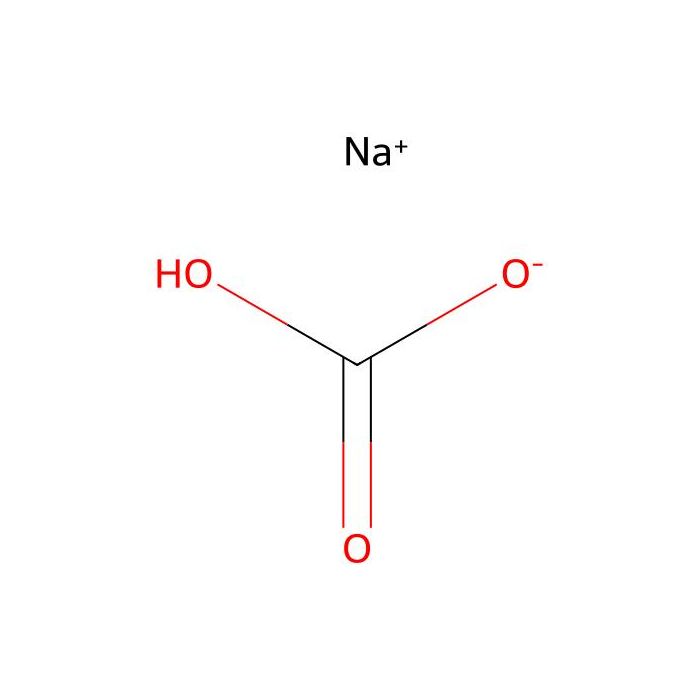
C(=O)(O)[O-].[Na+]
MeSH Entry Terms
Baking Soda;Bicarbonate, Sodium;Carbonic Acid Monosodium Salt;Hydrogen Carbonate, Sodium;Soda, Baking;Sodium Bicarbonate;Sodium Hydrogen Carbonate
分子量
84.01
Beilstein号
4153970
技术文档
高级数据
化学和物理性质
密度
2.16
敏感性
对湿度敏感
折光率
1.500
熔点
270°C
安全和危险性(GHS)
RTECS
VZ0950000
质检证书(CoA,COO,BSE/TSE 和分析图谱)
技术文档和文章
关于血清的常见问答
目录: 常见问题(FAQs)
General Principles of Antibody Labeling with NHS-Activated Esters, F/P Calculation, and Troubleshooting Guide
目录: 技术文章
TEMPO-Catalyzed Oxidation Quick Reference (Alcohol Oxidation Focus): Three Regeneration Routes (NaOCl / Cu–O₂ / PIDA) + Selection & Troubleshooting
目录: 技术文章
Physicochemical Properties, Staining Mechanisms, and Practical Application Specifications of Hematoxylin
目录: 技术文章
Installing a Redox Switch on Biomolecules: Principles, Conjugation Essentials, and an Application Guide for ATTO MB2 NHS ester
目录: 技术文章
Selection of Common Research Salts: A Task Map for Alkali Metal Salts & Alkaline Earth Metal Salts (with Product Tables 1–6)
目录: 技术文章
Why Acridine Can Turn “Trace Molecules” into a Measurable Light Signal: A Mechanistic, Selection, and Troubleshooting Guide to Acridinium Ester Chemiluminescent Immunoassays (Including Product Tables 1–4)
目录: 技术文章
2-Methylpyridine–Borane (2-Picoline·BH₃) Reductive Amination Guide: Process Drivers for Replacing NaBH₃CN, the Practical Operating Window, and Scale-Up/Quench Close-Out Essentials (Including Product Tables 1–3)
目录: 技术文章
Amino Acid Oxidases: Oxygen-Dependent Oxidative Deamination Systems and Their Analytical and Applied Uses
目录: 技术文章
β-N-Acetylglucosaminidase: Substrate-Specific Hydrolytic Enzymology, Assays, and Research and Industrial Applications
目录: 技术文章
Chlorophyll: Structural Features, Physicochemical Properties, and Key Points for Research and Industrial Applications
目录: 技术文章
Understanding Cbz (Benzyloxycarbonyl): Selection Logic and Practical Value of a Classical Amino Protecting Group
目录: 技术文章
The Methodological Value of DSC: Building NHS-Type Activated Intermediates and Deciding When to Use Them
目录: 技术文章
Coupling Mechanisms Between Terminal Reducing-Power Allocation in Photosynthetic Electron Transport and Metabolic Demand
目录: 技术文章
Boc₂O Selection Cannot Be Judged by Protection Installation Alone: Experimental Decision-Making from Substrate Nucleophilicity and Medium Effects to Deprotection Pathways
目录: 技术文章
Experimental Judgment in Oxyma Coupling Systems: Coupling Efficiency, Racemization Control, and the HCN Risk in DIC-Based Systems
目录: 技术文章
Experimental Assessment of Fmoc Introduction Routes: Impurity Profile Differences, Raw Material Carryover, and Quality Control
目录: 技术文章
From Functional Groups to Experimental Decision-Making: Protein Crosslinker Selection and Experimental Essentials
目录: 技术文章
PVAc, VAE, and Vinyl Acetate-Based Emulsions: Film-Forming Logic and Performance Boundaries in Architectural Coatings
目录: 技术文章
Application of Shellac, a Natural Film-Forming Resin, in Coatings: Alcohol-Soluble Fast-Drying Film Formation, Sealing and Repair, and Performance Boundaries
目录: 技术文章
Why LABSA (Sulfonic Acid) Is Commonly Used in Household Cleaning Formulations: Neutralization Mechanism, Detergency Action, and Formulation Application Points
目录: 技术文章
Differences, Mechanisms of Action, and Selection of Sodium Metasilicate and Sodium Tripolyphosphate in Detergent and Cleaning Formulations
目录: 技术文章
Differences, Functions, and Selection Guidelines for Sodium Hydroxide Flakes, Granules, Liquid Caustic Soda, and Caustic Soda in Household and Personal Care Product Manufacturing: The Functional and Application Logic of Sodium Hydroxide
目录: 技术文章
Why Daily Chemical Formulations Need Alkaline Ingredients: From pH Adjustment and Saponification to Detergency Boosting and Selection Logic
目录: 技术文章
Why Limonene Can Soften Greasy Soils Yet Is Difficult to Dissolve in Water: Understanding the Cleaning Mechanism and Formulation Applications of Naturally Derived Solvents from Molecular Structure
目录: 技术文章
How Can Sodium Tripolyphosphate (STPP) Be Replaced? From Detergency Mechanisms to Formulation Choices for Low-Phosphorus/Phosphorus-Free Builder Systems
目录: 技术文章
More Than a pH Adjuster: Mechanisms, Selection Logic, and Alternative Acid Source Analysis of Citric Acid in Home-Care Cleaning
目录: 技术文章
Sodium Metasilicate in Cleaning Applications: Hydration-Form Differences, Mechanisms of Action, and Selection Logic
目录: 技术文章
Differences and Application Selection of Cassava- and Corn-Based Pregelatinized Starch in Neutral Putty Formulations
目录: 技术文章
β-N-Acetylglucosaminidase: Substrate-Specific Hydrolytic Enzymology, Assays, and Research and Industrial Applications
目录: 技术文章
Skin Mechanism of Action of Pro-Xylane: From C-Xyloside Priming and CS/DS Chain Remodeling to the Dermal–Epidermal Junction
目录: 技术文章
How Cyclization Changes Peptide Behavior: Conformational Preorganization, Skin Delivery, and Integrin Binding, Using Cyclopeptide-5 as an Example
目录: 技术文章
此产品的引用文献
溶液计算器
产品仅提供给经过验证的企业、机构和合格的专业人员用于研发。不适用于人类、动物、诊断或治疗。
Copyright © 2023至今 上海阿拉丁生化科技股份有限公司 保留所有权利。


 危险品化学品经营许可证(带存储)