
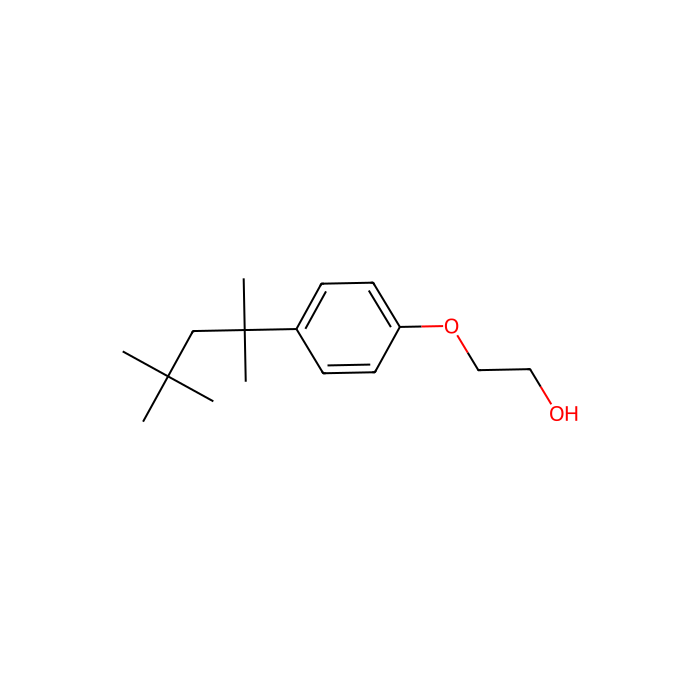
TRITON™ X-305 表面活性剂

CAS: 9002-93-1 货号: T434385 分子式: C8H17C6H4(OCH2CH2)nOH(n≈10) Beilstein号: 2315025 EC号: 618-344-0 PubChem CID: 5590
有货
级别和纯度: 70% in H2O
储存条件
室温
★
规格
库存
价格
数量
100ml
T434385-100ml
现货 Stock Image
¥159.90
500ml
T434385-500ml
现货 Stock Image
¥467.90
1L
T434385-1L
现货 Stock Image
¥759.90
2.5L
T434385-2.5L
现货 Stock Image
¥1,499.90
5L
T434385-5L
现货 Stock Image
¥2,399.90
请输入您要添加的产品数量
🧪
为什么选择此级别

,适用于对基线干扰要求严格的色谱和分析工作流程。

🌡

储存与运输

室温。 。请查阅批次 COA 获取详细规格。

📋

质量文档

SDS、COA、产品数据表及规格说明书均可下载。可通过批号查询获取批次 COA。

📚

文献证明

在色谱分析、有机合成和交叉偶联反应领域已被 826 篇同行评审文献引用。

概述

Triton ™ X-305是一种非离子表面活性剂。与Triton ™ X-100相比,这种辛基酚乙氧基化物具有更多的环氧乙烷单元、更高的cmc(临界胶束浓度)和亲水/亲脂平衡值。 Triton X-305与阴离子、阳离子和其他非离子表面活性剂相容,能够在大多数酸性和碱性溶液中保持化学稳定。


应用

Triton ™ X-305已被用于: 处理细胞以供免疫细胞化学分析使用 与过氧钨酸一起用于通过溶剂-凝胶法制备三氧化钨薄膜 苯乙烯与活化聚(N-乙烯基吡咯烷酮)(PVP)的分散聚合反应,用于合成镧系元素编码的聚苯乙烯颗粒

Triton ™ X-305 is a non-ionic surfactant. This octylphenol ethoxylate has higher number of ethylene oxide units, increased cmc (Critical micelle concentration) and hydrophile/lipophile balance when compared to Triton ™ X-100. Triton X-305 is compatible with anionic, cationic, and other nonionic surfactants and chemically stable in most acidic and alkaline solutions.

Uses
Agrochemicals
Paints and coatings dispersions
Emulsion polymerization
Fiber lubricants
Benefits
Excellent emulsion stabilizer
Provides freeze/thaw & ionic stability
Effective at high temperatures
Good solubility in the presence of salts or electrolytes & caustic solutions

Application

Triton ™ X-305 has been used: In the treatment of cells for immunocytochemistry Along with peroxotungstic acid in the preparation of tungsten trioxide films by sol-gel method In the dispersion polymerization of styrene with activated poly(N-vinylpyrrolidone) (PVP) for the synthesis of lanthanide-encoded polystyrene particles


规格

英文别名
Igepal CA-210 | CAS_118-96-7 | PDSP1_001087 | Ethanol,1,3,3-tetramethylbutyl)phenoxy]- | 2-(4-(2,4,4-Trimethylpentan-2-yl)phenoxy)ethan-1-ol | Octoxynol-1 | Triton X 305 | P-TERT-OCTYLPHENYL (2-HYDROXYETHYL)ETHER | AT25387 | Igepal CA 630 | FT-0673247 | T
规格或纯度
70% in H2O
英文名称
TRITON™ X-305 Surfactant
储存条件
室温
法律信息
Tri-Chek is a trademark of Micro Essential Laboratory, Inc. Triton is a trademark of The Dow Chemical Company or an affiliated company of Dow
名称和识别符
PubChem SID
EC号
232-658-1
分子类型
小分子
IUPAC Name
2-[4-(2,4,4-trimethylpentan-2-yl)phenoxy]ethanol
INCHI
1S/C16H26O2/c1-15(2,3)12-16(4,5)13-6-8-14(9-7-13)18-11-10-17/h6-9,17H,10-12H2,1-5H3
InChi Key
JYCQQPHGFMYQCF-UHFFFAOYSA-N
Smiles
CC(C)(C)CC(C)(C)C1=CC=C(C=C1)OCCO
Isomeric SMILES
CC(C)(C)CC(C)(C)C1=CC=C(C=C1)OCCO
关联CAS
PubChem CID
UN Number
Beilstein号
2315025

技术文档

📋 安全数据表 (SDS)

全面的危险、操作、储存及法规合规文件。

下载 SDS →

✅ 分析证书 (COA)

批次质量数据。输入批号以获取对应 COA。

查询 COA →

📊 产品数据表

产品规格和应用的快速参考摘要。

查看数据表 →

🔬 规格说明书

该级别的完整质量属性和验收标准。

查看规格说明 →

高级数据

系统学分类

分类树(Taxonomy Tree)

界(kingdom) 有机化合物
超类(Superclass) 苯类化合物
类(Class) 苯及其取代衍生物
亚类(Subclass) 苯丙烷
中间层级节点(Intermediate Tree Nodes) 暂无
直接上位类(Direct Parent) 苯丙烷
其他上位类(Alternative Parents) 苯氧基化合物  酚醚  烷基芳基醚  伯醇  碳氢化合物衍生物  
分子骨架(Molecular Framework) 芳香族同单环化合物
取代基(Substituents) 羟基苯甲酸酯 - 芳基醚 - 芳香族同单环化合物 - 乙醚 - 烃衍生物 - 有机氧化合物 - 有机氧化合物 - 苯酚醚 - 苯氧基化合物 - 苯基丙烷 - 初级醇
描述(Description) 该化合物属于苯丙烷类有机化合物。这类化合物含有苯丙烷结构单元。
外部描述符(External Descriptors) a small molecule
三维结构
交互式化学结构模型


关联靶点(人)
NR3C1 Tclin Glucocorticoid receptor (14987 活性数据)
活性类型 Relation Activity value Units Action Type 期刊 PubMed Id doi Assay Aladdin ID
KCNH2 Tclin HERG (29587 活性数据)
活性类型 Relation Activity value Units Action Type 期刊 PubMed Id doi Assay Aladdin ID
CYP3A4 Tclin Cytochrome P450 3A4 (53859 活性数据)
活性类型 Relation Activity value Units Action Type 期刊 PubMed Id doi Assay Aladdin ID
HaCaT (4069 活性数据)
活性类型 Relation Activity value Units Action Type 期刊 PubMed Id doi Assay Aladdin ID
Lymphoblastoid cell (5959 活性数据)
活性类型 Relation Activity value Units Action Type 期刊 PubMed Id doi Assay Aladdin ID
TDP1 Tchem Tyrosyl-DNA phosphodiesterase 1 (345557 活性数据)
活性类型 Relation Activity value Units Action Type 期刊 PubMed Id doi Assay Aladdin ID
SMN1 Tchem Survival motor neuron protein (34246 活性数据)
活性类型 Relation Activity value Units Action Type 期刊 PubMed Id doi Assay Aladdin ID
关联靶点(其它种属)
Cruzipain (33337 活性数据)
活性类型 Relation Activity value Units Action Type 期刊 PubMed Id doi Assay Aladdin ID
Plasmodium falciparum (966862 活性数据)
活性类型 Relation Activity value Units Action Type 期刊 PubMed Id doi Assay Aladdin ID
Rattus norvegicus (775804 活性数据)
活性类型 Relation Activity value Units Action Type 期刊 PubMed Id doi Assay Aladdin ID
Nfe2l2 Nuclear factor erythroid 2-related factor 2 (214 活性数据)
活性类型 Relation Activity value Units Action Type 期刊 PubMed Id doi Assay Aladdin ID
Rorc Nuclear receptor ROR-gamma (89407 活性数据)
活性类型 Relation Activity value Units Action Type 期刊 PubMed Id doi Assay Aladdin ID
作用机制
作用机制 Action Type target ID Target Name Target Type Target Organism Binding Site Name 参考文献
化学和物理性质
溶解性
可溶于水;可混溶于大多数极性有机溶剂;不溶于脂肪烃和芳香烃;在大多数酸性和碱性溶液中化学稳定;与阴离子、阳离子和其他非离子表面活性剂兼容。
密度
1.02
折光率
1.491
闪点(℃)
251°C
沸点
270°C
熔点
6°C
分子量
250.380 g/mol
XLogP3
4.600
氢键供体数Hydrogen Bond Donor Count
1
氢键受体数Hydrogen Bond Acceptor Count
2
可旋转键计数Rotatable Bond Count
6
精确质量Exact Mass
250.193 Da
单同位素质量Monoisotopic Mass
250.193 Da
拓扑极表面积Topological Polar Surface Area
29.500 Ų
重原子数Heavy Atom Count
18
形式电荷Formal Charge
0
复杂度Complexity
232.000
同位素原子数Isotope Atom Count
0
定义的原子立体中心计数Defined Atom Stereocenter Count
0
未定义的原子立体中心计数Undefined Atom Stereocenter Count
0
定义的键立体中心计数Defined Bond Stereocenter Count
0
未定义的键立体中心计数Undefined Bond Stereocenter Count
0
所有立体化学键的总数The total count of all stereochemical bonds
0
共价键合单元计数Covalently-Bonded Unit Count
1
安全和危险性(GHS)
象形图
GHS05,   GHS07,   GHS09
信号词
危险
危险声明

H302: 吞食有害

H315: 引起皮肤刺激

H318: 造成严重的眼睛损伤

H319: 引起严重眼睛刺激

H400: 对水生生物有剧毒

H410: 对水生生物有剧毒并具有长期持续影响

H411: 对水生生物有毒并具有长期持续影响

H412: 对水生生物有害并具有长期持续影响

预防措施声明

P264: 处理后要彻底洗手。

P270: 使用本产品时,请勿进食、饮水或吸烟。

P273: 避免释放到环境中。

P280: 戴防护手套/穿防护服/戴防护眼罩/戴防护面具。

P321: 特殊处理(请参阅此标签上的...)。

P330: 漱口

P391: 收集溢出物

P302+P352: 如皮肤沾染:用水充分清洗。

P305+P351+P338: 如进入眼睛:用水小心冲洗几分钟。如戴隐形眼镜并可方便地取出,取出隐形眼镜。继续冲洗。

P362+P364: 脱掉沾污的衣服,清洗后方可重新使用。

P501: 将内容物/容器处理到。。。

P264+P265: 处理后彻底洗手[和…]。不要触摸眼睛。

P301+P317: 如果被吞咽:请寻求医疗帮助。

P305+P354+P338: 如果进入眼睛:立即用水冲洗几分钟。取下隐形眼镜(如果有的话),并且操作简单。继续冲洗。

P317: 寻求紧急医疗救助。

P337+P317: 如果眼睛刺激持续:寻求医疗帮助。

P332+P317: 如果出现皮肤刺激:请寻求医疗帮助。

WGK Germany
1
RTECS
MD0907700
Merck Index
6761
个人防护装备
Eyeshields,Faceshields,full-face respirator (US),Gloves,multi-purpose combination respirator cartridge (US),type ABEK (EN14387) respirator filter
质检证书(CoA,COO,BSE/TSE 和分析图谱)
C of A & Other Certificates(BSE/TSE, COO):
输入批号以搜索分析图谱:

通过匹配包装上的批号来查找并下载产品的 COA,每批产品都进行了严格的验证,您可放心使用!

找到7个结果

批号(Lot Number) 证书类型 货号
L2321264 分析证书 T434385
B2506259 分析证书 T434385
B2506266 分析证书 T434385
B2506268 分析证书 T434385
B2506276 分析证书 T434385
B2506282 分析证书 T434385
L2321263 分析证书 T434385
技术文档和文章
非离子表面活性剂聚焦:醇聚氧乙烯醚、聚乙二醇三甲基壬基醚与 Triton™ X-100
Non-Ionic Surfactants in Focus: Alcohol Ethoxylates, Polyethylene Glycol Trimethylnonyl Ether, and Triton™ X-100
IPTG诱导与蛋白提取
IPTG Induction and Extraction of Proteins Modified
如何使用透析袋对样品进行缓冲液置换
Buffer exchange of a sample using a dialysis bag
SDS-PAGE实验常见问题及回答
Common Questions and Answers for SDS-PAGE Experiments
防止蛋白沉淀的缓冲液添加剂
Buffer Additives to Prevent Protein Precipitation
蛋白储存常用保护剂与配方
Common Protectants and Formulations for Protein Storage
常见八种裂解液
Eight Common Lysis Buffers
EdU染色实验的基本原理和实验流程
EdU Staining: Basic Principle and Experimental Workflow
分子互作实验常见问答
FAQ on Molecular Interaction Assays
GST标签蛋白纯化
GST-Tagged Protein Purification
生物素标记蛋白纯化
Biotin-Labeled Protein Purification
蛋白酶&磷酸酶抑制剂混合物的科研应用与原理
Protease & Phosphatase Inhibitor Cocktails: Research Applications and Principles
壬基酚聚氧乙烯醚NPE(NP-n)选型指南:EO数如何影响溶解性、HLB、浊点与CMC|附阿拉丁相关产品表
NPE (NP-n) Selection Guide: How EO Number Affects Solubility, HLB, Cloud Point, and CMC | With an Aladdin Product Reference Table
表面活性剂全景指南:定义与机理、关键指标、应用场景与选型导航(表1–表3)
A Panoramic Guide to Surfactants: Definitions & Mechanisms, Key Metrics, Application Scenarios, and Selection Navigation (Tables 1–3)
核酸研究中检测定量与相互作用解析的十种常用技术综述
A Review of Ten Commonly Used Techniques for Detection, Quantification, and Interaction Analysis in Nucleic Acid Research
一文读懂蛋白标签:分类、特性及适用实验
Protein Tags Demystified: Classification, Properties, and Suitable Experimental Applications
吖啶为何能把“微量分子”变成“可测的光信号”:吖啶鎓酯化学发光免疫分析的机制、选型与排错指南(含产品表1–表4)
Why Acridine Can Turn “Trace Molecules” into a Measurable Light Signal: A Mechanistic, Selection, and Troubleshooting Guide to Acridinium Ester Chemiluminescent Immunoassays (Including Product Tables 1–4)
酸性磷酸酶:酸性微环境中的去磷酸化反应及其研究与检测应用
Acid Phosphatase: Dephosphorylation Reactions in Acidic Microenvironments and Their Research, Assay, and Detection Applications
Diaphorase:NAD(P)H依赖电子传递活性及其检测与研究应用
Diaphorase: NAD(P)H-Dependent Electron-Transfer Activity and Its Applications in Detection and Research
尿促卵泡素(uFSH):来源特征、分子性质与科研应用体系
Urinary Follicle-Stimulating Hormone (uFSH): Source Attributes, Molecular Properties, and Research Application Frameworks
脂肪酶(Lipase,甘油三酯水解酶):界面催化机理、选择性类型与检测及应用体系
Lipase (Triacylglycerol Hydrolase): Interfacial Catalysis, Selectivity Classes, and Assay/Application Systems
胆固醇酯酶:界面水解特性驱动的机制解析与应用体系
Cholesterol Esterase: Mechanistic Insights and Application Frameworks Driven by Interfacial Hydrolysis
分散酶(Dispase):基底膜松解型组织解离蛋白酶的性质、制备与应用体系
半纤维素酶:底物特异性、催化体系与科研及产业应用综述
Hemicellulases: A Review of Substrate Specificity, Catalytic Systems, and Research and Industrial Applications
白介素29(IL-29/IFN-λ1):分子特征、信号网络与科研应用体系
Interleukin-29 (IL-29/IFN-λ1): Molecular Features, Signaling Networks, and a Systematic Framework for Research Applications
双链脱氧核糖核酸酶(dsDNase)介导的双链DNA水解:酶学特征、方法学策略与生物分析应用综述
dsDNase-Mediated Hydrolysis of Double-Stranded DNA: Enzymatic Characteristics, Methodological Strategies, and Bioanalytical Applications
甘油和甘油三酯含量检测的原理、常用方法与应用要点综述
Review of the Principles, Common Methods, and Key Application Considerations for the Determination of Glycerol and Triglyceride Contents
超氧化物歧化酶活性检测的原理、方法与应用要点综述
Review of the Principles, Methods, and Application Considerations for Superoxide Dismutase Activity Determination
糖蛋白结构表征与质量属性分析的方法学研究
Methodological Studies on Glycoprotein Structural Characterization and Quality Attribute Analysis
酪胺信号放大技术在原位荧光检测中的应用
Tyramide Signal Amplification in In Situ Fluorescence Detection
CK、CK-MB与CK-MM检测在组织损伤判读中的意义
Significance of CK, CK-MB, and CK-MM Testing in the Interpretation of Tissue Injury
细胞凋亡检测中的TUNEL标记与结果判读
Cell Apoptosis Detection by TUNEL Labeling: Signal Interpretation and Result Evaluation
细胞毒性实验中中性红法与MTT/CCK-8法的应用比较
Application Comparison of the Neutral Red Assay and the MTT/CCK-8 Assays in Cytotoxicity Testing
硅烷偶联剂底涂液的配制方法与注意事项
Preparation Methods and Precautions for Silane Coupling Agent Primer Solutions
组织和细胞样品固定中戊二醛、多聚甲醛与福尔马林的应用区别
Application Differences Among Glutaraldehyde, Paraformaldehyde, and Formalin in Tissue and Cell Sample Fixation
涂料配方中的树脂极性:从分子结构到溶解、相容、界面作用与配方设计
Resin Polarity in Coating Formulations: From Molecular Structure to Dissolution, Compatibility, Interfacial Interactions, and Formulation Design
TSA 酪胺信号放大实用指南:低丰度靶标检测信号弱时,如何选试剂、优化流程、降低背景?
Practical Guide to TSA Tyramide Signal Amplification: How to Select Reagents, Optimize the Workflow, and Reduce Background When Detection Signals Are Weak for Low-Abundance Targets
石墨烯生物传感器的信号转换机制:从分子识别到电学/光学信号读出与材料选型
Signal Transduction Mechanism of Graphene Biosensors: From Molecular Recognition to Electrical/Optical Signal Readout and Materials Selection
AEO-9(脂肪醇聚氧乙烯醚)的界面作用机理与配方应用——乳化、润湿、油污去除与复配相容性解析
Interfacial Mechanism and Formulation Applications of AEO-9 (Fatty Alcohol Polyoxyethylene Ether): An Analysis of Emulsification, Wetting, Oil Soil Removal, and Co-Formulation Compatibility
日化清洁体系中渗透剂的润湿渗透机理与代表结构解析——以 JFC、OEP-70 和 DOSS 为例
Wetting and Penetration Mechanisms of Penetrating Agents in Household and Personal Care Cleaning Systems: Representative Structural Analysis Using JFC, OEP-70, and DOSS as Examples
非离子表面活性剂的结构逻辑:作用机制、分类特点与选用逻辑
Structural Logic of Nonionic Surfactants: Mechanisms of Action, Classification Features, and Selection Principles
胆红素检测方法比较:重氮法、钒酸盐氧化法、胆红素氧化酶法与HPLC法的应用选择
Comparison of Bilirubin Detection Methods: Application Selection of the Diazo Method, Vanadate Oxidation Method, Bilirubin Oxidase Method, and HPLC
此产品的引用文献
溶液计算器

常见问题

本产品应如何储存?
请于室温条件下保存。
本产品的 CAS 号、分子式和分子量是多少?
本产品的 CAS 号为 9002-93-1,分子式为 C8H17C6H4(OCH2CH2)nOH。InChIKey JYCQQPHGFMYQCF-UHFFFAOYSA-N。
如何获取批次专用COA?
每个订单都会随附分析证书(COA),您也可以从账户订单历史中下载。如需订购前的COA,请联系您的客户代表,或使用PDP上的"申请COA"按钮——我们将提供代表性批次的COA。
