
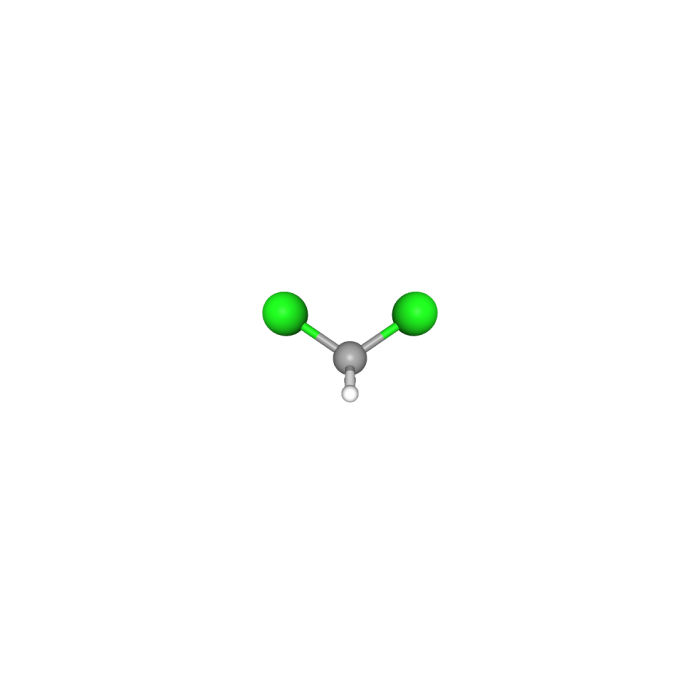
 I1906076
计算溶液所需的质量、体积或浓度。
为什么选择此级别
,适用于对基线干扰要求严格的色谱和分析工作流程。
储存与运输
室温,充氩。DG运输 。请查阅批次 COA 获取详细规格。
质量文档
SDS、COA、产品数据表及规格说明书均可下载。可通过批号查询获取批次 COA。
文献证明
在色谱分析、有机合成和交叉偶联反应领域已被 2386 篇同行评审文献引用。
概述
挥发性有机化合物(VOCs)单组分标准液 US EPA方法:502.2,524.2,8021,8021A,8021B,624,8240B,8260B
亚甲基氯,也称为二氯甲烷,是一种在工业上广泛应用的有机溶剂。
用于质量控制的药品二级标准品,为制药实验室和制造商制备内部工作标准品提供了一种方便且经济的替代方案。
应用
二氯甲烷可作为药物标准品,用于通过气相色谱法(GC)测定药物制剂中的分析物。
这些二级标准品是合格的认证标准物质(CRM)。它们适用于多种分析应用,包括但不限于药物释放测试、药物的定性和定量分析方法开发、食品和饮料质量控制检测以及其他校准需求。
Volatile Organic Compounds (VOCs) Single Component Standards US EPA Methods:502.2,524.2,8021,8021A,8021B,624,8240B,8260B
规格
别名
甲叉二氯
规格或纯度
2000ug/ml in Purge and Trap Methanol
英文名称
Dichloromethane Standard
储存条件
室温,充氩
运输条件
DG运输
名称和识别符
技术文档
高级数据
化学和物理性质
密度
0.7915
敏感性
对光敏感
折光率
1.424
沸点
40°C
熔点
-95.1°C
安全和危险性(GHS)
一般危化品
一般危化品
信号词
危险
危险声明
H225: 高度易燃的液体和蒸气
H370: 对器官造成损害
H301+H311+H331: 吞咽、皮肤接触或吸入中毒。
预防措施声明
P210: 远离热源,热表面,火花,明火和其他点火源。 - 禁止抽烟。
P233: 保持容器密闭。
P240: 地面/粘结容器和接收设备
P241: 使用防爆的[电气/通风/照明/.../]设备。
P242: 仅使用无火花的工具。
P243: 采取防静电措施
P260: 不要吸入灰尘/烟雾/气体/雾/蒸汽/喷雾。
P264: 处理后要彻底洗手。
P270: 使用本产品时,请勿进食、饮水或吸烟。
P271: 仅在室外或通风良好的地方使用。
P280: 戴防护手套/穿防护服/戴防护眼罩/戴防护面具。
P311: 打电话给毒物中心或医生。。。
P330: 漱口
P301+P310: 如误吞咽:立即呼叫急救中心/医生。
P303+P361+P353: 如皮肤(或头发)沾染:立即脱掉所有沾染的衣服。用水清洗皮肤/淋浴。
P304+P340: 如误吸入:将人转移到空气新鲜处,保持呼吸舒适体位。
P308+P311: 如接触到或有疑虑:呼叫急救中心/医生。
P370+P378: 火灾时:使用干砂、干粉或抗醇泡沫灭火。
P405: 密闭存放
P403+P233: 存放在通风良好的地方。保持容器密闭。
P403+P235: 存放在通风良好的地方。保持低温。
P501: 将内容物/容器处理到。。。
WGK Germany
1
RTECS
PA8050000
Class
6.1
Merck Index
6063
RIDADR
UN 1593 6.1 / PGIII
质检证书(CoA,COO,BSE/TSE 和分析图谱)
技术文档和文章
Distillation Grade Reagents: Definition, Quality Control and Representative Aladdin Products
目录: 阿拉丁试剂的规格、级别和纯度
Minute-Scale Construction of Fluorinated Nitrogen-Bridged Bicycles: Pd(II)/Pd(IV) Cascade Chemistry and a Pd(IV) “Dyotropic (Paired-Migration)” Rearrangement Driving Strain-Release Ring Expansion
目录: 技术文章
脂肪酸(fatty acids)是一类带羧基(–COOH)的长碳链化合物,是脂质世界里的“积木”。它们既可以以游离脂肪酸(FFA)存在,也常以甘油三酯(TAG)、磷脂、胆固醇酯等形式“被装配”进更复杂的脂类结构中。
目录: 技术文章
Fatty Acids from Basics to Lab Practice: Structural Classification, Research Uses, and Selection Tips (with an Aladdin Representative Product Quick-Reference Table)
目录: 技术文章
TEMPO-Catalyzed Oxidation Quick Reference (Alcohol Oxidation Focus): Three Regeneration Routes (NaOCl / Cu–O₂ / PIDA) + Selection & Troubleshooting
目录: 技术文章
A Complete Guide to Choosing Resins for SPPS (Solid-Phase Peptide Synthesis): Fmoc/Boc Routes, C-Terminal Acid/Amide, and a Key-Parameter Navigator
目录: 技术文章
Structural–Functional Analysis of the Methoxy Group (–OCH₃) in Approved Small-Molecule Drugs: Mechanisms, Evidence Chains, and Product-Selection Navigation (with Related Product Tables)
目录: 技术文章
Revisiting Titanium Tetrachloride: New Advances in the Direct Amidation and Esterification of Carboxylic Acids
目录: 技术文章
DAST-Mediated Amidation at Room Temperature: Method Features, Practical Value, and Scope of Applicability
目录: 技术文章
From Analytical Instrument to Synthetic Platform: A New Strategy for Reconstructing Automated Flow Solid-Phase Peptide Synthesis with Standard Analytical HPLC
目录: 技术文章
Understanding ATD-DMAP: From Reagent Design to Esterification, Amidation, and Stereochemical Integrity
目录: 技术文章
New Progress in the Solid-Phase Synthesis of Sterically Hindered Peptides: Background, Core Breakthroughs, and Implications for Automation Compatibility of the RMMR Strategy
目录: 技术文章
The Core Value of the Trityl Family of Protecting Groups: Acid-Deprotection Hierarchies and Selective Route Design
目录: 技术文章
Reassessing Trimethylaluminum: Method Design and Experimental Value of One-Pot Peptide Elongation from Unprotected Amino Acids
目录: 技术文章
The Methodological Value of HATU in Difficult Couplings: Reactivity Advantages, Stereochemical Retention, and Condition Management
目录: 技术文章
Low Racemization in Peptide Synthesis Is Not Just About Reagent Choice: Stereochemical Risk During the Activation Stage and Practical Strategies for Experimental Control
目录: 技术文章
The Methodological Value of DSC: Building NHS-Type Activated Intermediates and Deciding When to Use Them
目录: 技术文章
The Methodological Value of TCFH: Advantages in Challenging Amidation and the Switching Logic of Carboxylic Acid Activation Pathways
目录: 技术文章
Low-Racemization Control in Peptide Synthesis: An Inverse N→C Peptide Synthesis Strategy via Activated α-Aminoesters
目录: 技术文章
Decision Logic for Peptide Synthesis Routes: Applicability and Criteria for Choosing among SPPS, LPPS, and Recombinant Expression
目录: 技术文章
Triphenylphosphine Dibromide (PPh₃Br₂) Is More Than Just a Brominating Reagent: Experimental Selection Logic from Alcohol-to-Alkyl Bromide Conversion to Carboxylic Acid Activation and One-Pot Esterification, Vinyl Bromide Formation, and Nitrile Constructi
目录: 技术文章
Boc₂O Selection Cannot Be Judged by Protection Installation Alone: Experimental Decision-Making from Substrate Nucleophilicity and Medium Effects to Deprotection Pathways
目录: 技术文章
DMAP Is More Than Just an Organic Base: Experimental Judgment from Nucleophilic Acyl Transfer to Esterification and Macrolactonization
目录: 技术文章
Experimental Judgment for Differential Deprotection of Double Boc and Related N-Boc Systems: Substrate Type, Site-Response Differences, and Initial Condition Selection
目录: 技术文章
Experimental Considerations for the Use of ADMP in the Conversion of Primary Amines to Organic Azides: Substrate Nucleophilicity, Base Matching, and Medium Selection
目录: 技术文章
From Planar Patterns to Self-Supporting Structures: The 3D Printing Formation Logic of High-Content Graphene Composite Inks
目录: 技术文章
How to Troubleshoot Abnormal Impurities in Peptide Synthesis? Locating Process Issues Through Amino-Related Side Reactions
目录: 技术文章
Peptide Intermediates Difficult to Dissolve and Separate? Route Design and Workup Strategies for Tag-Assisted Liquid-Phase Peptide Synthesis (TAG-LPPS)
目录: 技术文章
AITF-Mediated Carboxylic Acid Activation for the Synthesis of Amides, Peptides, and Esters: Activation Mechanism and Applicable Scenarios
目录: 技术文章
Formation and Control of Carboxyl- and Hydroxyl-Related Impurities in Peptide Synthesis — Using Asp/Glu and Ser/Thr Residue Side Reactions as Examples
目录: 技术文章
In Vitro Exposure Simulation and Bioaccessibility Assessment of Particulate Chemicals from Consumer Products Using Simulated Lung Fluid
目录: 技术文章
CTSOBt Benzotriazole–Sulfonate Coupling Reagent: Carboxylic Acid Activation and Synthetic Application Value
目录: 技术文章
From Nitroarenes to Pharmaceutically Relevant Pyridines: A Photochemically Induced Aryl Nitrene-Mediated Skeletal Editing Strategy
目录: 技术文章
Direct O-Alkylation of Bicyclo[1.1.1]pentan-1-ol: Avoiding Alkoxide-Mediated Skeletal Fragmentation through Electrophile Activation
目录: 技术文章
How Cyclization Changes Peptide Behavior: Conformational Preorganization, Skin Delivery, and Integrin Binding, Using Cyclopeptide-5 as an Example
目录: 技术文章
1,8-Naphthyridine-Based Aldose Reductase Inhibitors: Scaffold Construction, In Vitro Inhibitory Activity, and Directions for Structural Optimization
目录: 技术文章
Why Primary and Secondary Amines Have Difficulty Participating Directly in the Classical Mitsunobu Reaction: Mechanism, Inversion of Configuration, and Reaction Scope of BEHT-Mediated Alcohol Amination
目录: 技术文章
Solid Supports in Packed Gas Chromatography Columns: Definition, Mechanisms of Action, Classification, and Selection
目录: 技术文章
Selectivity Mechanism of the Triple Aryne–Tetrazine Cascade Reaction: Reaction-Pathway Switching and Intermediate Transformations
目录: 技术文章
Reaction Mechanism of Pyrrole Skeletal Recasting: Reconstruction of Intraring Atomic Connectivity during Dearomatization—Skeletal Reorganization—Rearomatization
目录: 技术文章
Construction of the Key α-Bromoketone Intermediate for LY3509754: A β-Keto Ester Strategy and Concomitant Decarboxylation Following Enzymatic Ester Hydrolysis
目录: 技术文章
Tether Effects in Intramolecular [2+2] Photocycloadditions: Straight and Crossed Regioselectivity and Stepwise C–C Bond Formation
目录: 技术文章
Regioselectivity of Pyridine-Diimine (PDI)–Cobalt-Catalyzed Simmons–Smith-Type Cyclopropanation: Alkene Substitution Patterns and the Methylene-Transfer Mechanism
目录: 技术文章
ACT-1014-6470 Kilogram-Scale Synthesis: N7-Selective Reductive Amination of an Unprotected Pyrazole, Subsequent N2 Alkylation, and Intramolecular Urea Formation
目录: 技术文章
此产品的引用文献
溶液计算器
常见问题
本产品应如何储存?
请于室温、氩气保护条件下保存。本品在氩气保护下供应,每次取用后请在惰性气体下重新密封。
本产品如何运输?
本产品属危险品,通过 FedEx DG Service 运输。不提供陆运及其他经济型服务,部分目的地或地址类型可能受限。
本产品的 CAS 号、分子式和分子量是多少?
本产品的 CAS 号为 75-09-2,分子式为 CH2Cl2,分子量为 84.93 g/mol。
如何获取批次专用COA?
每个订单都会随附分析证书(COA),您也可以从账户订单历史中下载。如需订购前的COA,请联系您的客户代表,或使用PDP上的"申请COA"按钮——我们将提供代表性批次的COA。
产品仅提供给经过验证的企业、机构和合格的专业人员用于研发。不适用于人类、动物、诊断或治疗。
Copyright © 2023至今 上海阿拉丁生化科技股份有限公司 保留所有权利。


 危险品化学品经营许可证(带存储)