
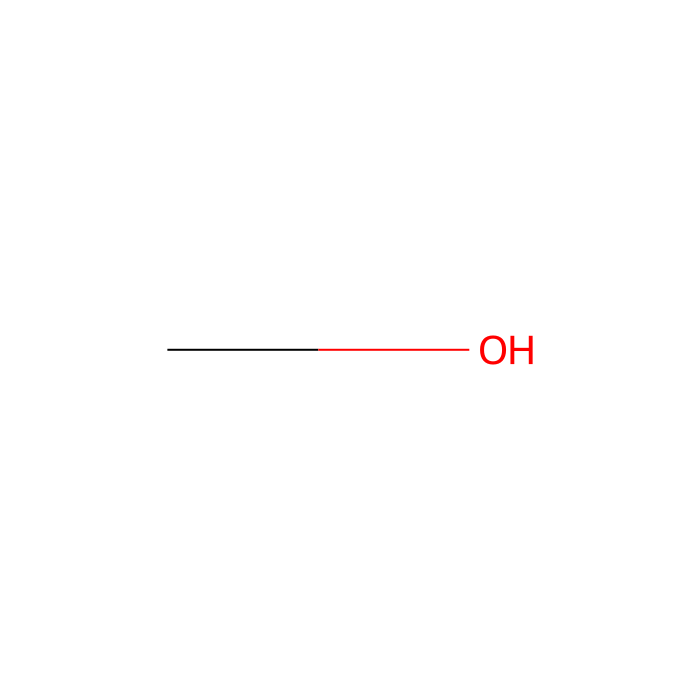
甲醇 溶液

CAS: 67-56-1 货号: M433261 分子式: CH3OH 分子量: 32.04 Beilstein号: 3662861 EC号: 200-659-6
有货
级别和纯度: (甲醇:二甲基亚砜1:1(v/v))
别名
二甲基亚砜:甲醇溶液
储存条件
室温
运输条件
DG运输
★
规格
库存
价格
数量
4×4L
M433261-4×4L
期货 Stock Image
¥6,891.90
请输入您要添加的产品数量
🧪
为什么选择此级别

,适用于对基线干扰要求严格的色谱和分析工作流程。

🌡

储存与运输

室温。DG运输 。请查阅批次 COA 获取详细规格。

📋

质量文档

SDS、COA、产品数据表及规格说明书均可下载。可通过批号查询获取批次 COA。

📚

文献证明

在色谱分析、有机合成和交叉偶联反应领域已被 7054 篇同行评审文献引用。

概述


General Description

The product is a 1:1(v/v) solution of methanol and dimethylsulfoxide that can be employed for HPLC and UHPLC (Ultra High performance Liquid Chromatography) techniques. This pre-blended solvent is of high purity that reduces time-consuming preparation and prevents instrument downtime because of impure mobile phases.

规格

别名
二甲基亚砜:甲醇溶液
英文别名
DTXCID801731 | Methanol, p.a., 99.9% | Methylalkohol | METHANOL (D2) | Surflo-B17 | Methanol, anhydrous, 99.8% | Methanol, HPLC grade | Alcool metilico [Italian] | Metanolo [Italian] | Methanol, low water for titration | Methylol | NSC 85232 | Methanol, a
规格或纯度
(甲醇:二甲基亚砜1:1(v/v))
英文名称
Methanol solution
储存条件
室温
运输条件
DG运输
名称和识别符
EC号
200-659-6
分子类型
小分子
IUPAC Name
methanol
INCHI
1S/CH4O/c1-2/h2H,1H3
InChi Key
OKKJLVBELUTLKV-UHFFFAOYSA-N
Smiles
CO
Isomeric SMILES
CO
UN Number
Packing Group
II
分子量
32.04
Beilstein号
3662861

技术文档

📋 安全数据表 (SDS)

全面的危险、操作、储存及法规合规文件。

下载 SDS →

✅ 分析证书 (COA)

批次质量数据。输入批号以获取对应 COA。

查询 COA →

📊 产品数据表

产品规格和应用的快速参考摘要。

查看数据表 →

🔬 规格说明书

该级别的完整质量属性和验收标准。

查看规格说明 →

高级数据

系统学分类

分类树(Taxonomy Tree)

界(kingdom) 有机化合物
超类(Superclass) 有机氧化合物
类(Class) 有机氧化合物
亚类(Subclass) 醇和多元醇
中间层级节点(Intermediate Tree Nodes) 暂无
直接上位类(Direct Parent) 伯醇
其他上位类(Alternative Parents) 碳氢化合物衍生物  
分子骨架(Molecular Framework) 脂肪族无环化合物
取代基(Substituents) 脂肪族非环化合物 - 烃衍生物 - 初级醇
描述(Description) 该化合物属于有机化合物中的伯醇类。这类化合物含有伯醇官能团,通式为RCOH(R=烷基、芳基)。
外部描述符(External Descriptors) a short-chain alcohol
三维结构
交互式化学结构模型


关联靶点(人)
TSHR Tclin Thyroid stimulating hormone receptor (29986 活性数据)
活性类型 Relation Activity value Units Action Type 期刊 PubMed Id doi Assay Aladdin ID
UGT2B4 Tbio UDP-glucuronosyltransferase 2B4 (139 活性数据)
活性类型 Relation Activity value Units Action Type 期刊 PubMed Id doi Assay Aladdin ID
UGT2B10 Tbio UDP-glucuronosyltransferase 2B10 (42 活性数据)
活性类型 Relation Activity value Units Action Type 期刊 PubMed Id doi Assay Aladdin ID
关联靶点(其它种属)
Pseudomonas aeruginosa (123386 活性数据)
活性类型 Relation Activity value Units Action Type 期刊 PubMed Id doi Assay Aladdin ID
Staphylococcus aureus (210822 活性数据)
活性类型 Relation Activity value Units Action Type 期刊 PubMed Id doi Assay Aladdin ID
Escherichia coli (133304 活性数据)
活性类型 Relation Activity value Units Action Type 期刊 PubMed Id doi Assay Aladdin ID
Bacillus cereus (7522 活性数据)
活性类型 Relation Activity value Units Action Type 期刊 PubMed Id doi Assay Aladdin ID
Tetrahymena pyriformis (68 活性数据)
活性类型 Relation Activity value Units Action Type 期刊 PubMed Id doi Assay Aladdin ID
Lithobates pipiens (29 活性数据)
活性类型 Relation Activity value Units Action Type 期刊 PubMed Id doi Assay Aladdin ID
Colletotrichum gloeosporioides (560 活性数据)
活性类型 Relation Activity value Units Action Type 期刊 PubMed Id doi Assay Aladdin ID
Nfe2l2 Nuclear factor erythroid 2-related factor 2 (214 活性数据)
活性类型 Relation Activity value Units Action Type 期刊 PubMed Id doi Assay Aladdin ID
作用机制
作用机制 Action Type target ID Target Name Target Type Target Organism Binding Site Name 参考文献
化学和物理性质
密度
0.954g/mLat 20°C
折光率
1.329
闪点(℉)
49.5 °F
闪点(℃)
9.7 °C
沸点
64.7°C
熔点
-97.8°C
分子量
32.042 g/mol
XLogP3
-0.500
氢键供体数Hydrogen Bond Donor Count
1
氢键受体数Hydrogen Bond Acceptor Count
1
可旋转键计数Rotatable Bond Count
0
精确质量Exact Mass
32.0262 Da
单同位素质量Monoisotopic Mass
32.0262 Da
拓扑极表面积Topological Polar Surface Area
20.200 Ų
重原子数Heavy Atom Count
2
形式电荷Formal Charge
0
复杂度Complexity
2.000
同位素原子数Isotope Atom Count
0
定义的原子立体中心计数Defined Atom Stereocenter Count
0
未定义的原子立体中心计数Undefined Atom Stereocenter Count
0
定义的键立体中心计数Defined Bond Stereocenter Count
0
未定义的键立体中心计数Undefined Bond Stereocenter Count
0
所有立体化学键的总数The total count of all stereochemical bonds
0
共价键合单元计数Covalently-Bonded Unit Count
1
安全和危险性(GHS)
一般危化品
一般危化品
象形图
GHS02,   GHS06,   GHS08
信号词
危险
危险声明

H225: 高度易燃的液体和蒸气

H370: 对器官造成损害

H301+H311+H331: 吞咽、皮肤接触或吸入中毒。

预防措施声明

P210: 远离热源,热表面,火花,明火和其他点火源。 - 禁止抽烟。

P233: 保持容器密闭。

P240: 地面/粘结容器和接收设备

P241: 使用防爆的[电气/通风/照明/.../]设备。

P242: 仅使用无火花的工具。

P243: 采取防静电措施

P260: 不要吸入灰尘/烟雾/气体/雾/蒸汽/喷雾。

P261: 避免吸入灰尘/烟雾/气体/雾/蒸汽/喷雾

P264: 处理后要彻底洗手。

P270: 使用本产品时,请勿进食、饮水或吸烟。

P271: 仅在室外或通风良好的地方使用。

P280: 戴防护手套/穿防护服/戴防护眼罩/戴防护面具。

P321: 特殊处理(请参阅此标签上的...)。

P330: 漱口

P302+P352: 如皮肤沾染:用水充分清洗。

P303+P361+P353: 如皮肤(或头发)沾染:立即脱掉所有沾染的衣服。用水清洗皮肤/淋浴。

P304+P340: 如误吸入:将人转移到空气新鲜处,保持呼吸舒适体位。

P361+P364: 立即脱掉所有沾染的衣服,清洗后方可重新使用。

P370+P378: 火灾时:使用干砂、干粉或抗醇泡沫灭火。

P405: 密闭存放

P403+P233: 存放在通风良好的地方。保持容器密闭。

P403+P235: 存放在通风良好的地方。保持低温。

P501: 将内容物/容器处理到。。。

P301+P316: 如果吞咽:立即寻求紧急医疗救助。

P308+P316: 如果暴露或担心:立即寻求紧急医疗救助。

P316: 立即寻求紧急医疗救助。

WGK Germany
1
RTECS
1
Class
3(6.1)
Merck Index
5957
个人防护装备
Eyeshields,Faceshields,full-face respirator (US),Gloves,multi-purpose combination respirator cartridge (US),type ABEK (EN14387) respirator filter
RIDADR
UN1230 - class 3 - PG 2 - Methanol
质检证书(CoA,COO,BSE/TSE 和分析图谱)
C of A & Other Certificates(BSE/TSE, COO):
输入批号以搜索分析图谱:
技术文档和文章
Boc树脂裂解方案
Boc resin lysis protocol
SDS-PAGE实验常见问题及回答
Common Questions and Answers for SDS-PAGE Experiments
蛋白Marker产品常见问题及回答之转膜
Common Questions and Answers for Protein Marker Products — Membrane Transfer
如何将疏水性药物装载到脂质体中?
How do I load a hydrophobic drug into liposomes?
新型酯化方法——NDTP缩合剂介导的快速酯化
A New Esterification Method — Rapid Esterification Mediated by the Coupling Reagent NDTP
蛋白质Tris-Acetate电泳系统标准操作规程
Protein Tris-Acetate Electrophoresis System Standard Operating Procedure
蛋白质Tris-Tricine电泳系统标准操作规程
Protein Tris-Tricine Electrophoresis System Standard Operating Procedure
常见的蛋白质凝胶染色方法
Common Protein Gel Staining Methods
棕榈油酸甲酯的技术特性与应用研究
Technical Features and Application Studies of Methyl Palmitoleate
橙皮苷:藏在柑橘果皮里的多功能黄酮
Hesperidin: A Multifunctional Flavonoid Hidden in Citrus Peels
脂肪酸(fatty acids)是一类带羧基(–COOH)的长碳链化合物,是脂质世界里的“积木”。它们既可以以游离脂肪酸(FFA)存在,也常以甘油三酯(TAG)、磷脂、胆固醇酯等形式“被装配”进更复杂的脂类结构中。
Fatty Acids from Basics to Lab Practice: Structural Classification, Research Uses, and Selection Tips (with an Aladdin Representative Product Quick-Reference Table)
PAS染色(Periodic Acid–Schiff,PAS)标准操作规程
PAS Staining (Periodic Acid–Schiff, PAS) Standard Operating Procedure (SOP)
芍药苷(Paeoniflorin):结构特征、理化性质与分析质控要点
Paeoniflorin: Structural Features, Physicochemical Properties, and Key Considerations for Analytical Quality Control
氨基糖苷类抗生素潮霉素 B的生物学特性与应用价值研究
Biological Characteristics and Application Value of the Aminoglycoside Antibiotic Hygromycin B
姬姆萨(Giemsa)染色实验Protocol:血液涂片与骨髓涂片
Giemsa Staining Protocol: Peripheral Blood and Bone Marrow Smears
小分子化学探针实用指南:概念纠偏、因果验证与实验选型(含产品导航与表A–D)
A Practical Guide to Small-Molecule Chemical Probes: Concept Clarification, Causal Validation, and Experimental Selection (with Product Navigation and Tables A–D)
发光聚合物(LEPs)实用全景:PL/EL 核心机制框架、材料家族地图与结构旋钮(含产品表1–4及选型导航)
Light-Emitting Polymers (LEPs): A Practical Panorama - A Core PL/EL Mechanistic Framework, Material Family Map, and Structural “Design Knobs” (including Product Tables 1–4 and a selection guide)
羧甲基纤维素钠(CMC-Na)实用指南:增稠/稳定机理、配液关键控制点与选型导航(含表1、表A–C)
Practical Guide to Sodium Carboxymethyl Cellulose (CMC-Na): Thickening/Stabilizing Mechanisms, Key Controls for Solution Preparation, and Selection Navigation (including Table 1 and Tables A–C)
甲氧基(–OCH₃)在已上市小分子药物中的结构功能解析:作用机制、证据链与产品选型导航(附相关产品表)
Structural–Functional Analysis of the Methoxy Group (–OCH₃) in Approved Small-Molecule Drugs: Mechanisms, Evidence Chains, and Product-Selection Navigation (with Related Product Tables)
合成锌试剂(Organozinc Reagents)实用指南:结构特性、关键反应与实用选型导航(含阿拉丁产品表)
A Practical Guide to Organozinc Reagents for Synthesis (Organozinc Reagents): Structural Features, Key Reactions, and a Practical Selection Navigation (Including Aladdin Product Tables)
吖啶为何能把“微量分子”变成“可测的光信号”:吖啶鎓酯化学发光免疫分析的机制、选型与排错指南(含产品表1–表4)
Why Acridine Can Turn “Trace Molecules” into a Measurable Light Signal: A Mechanistic, Selection, and Troubleshooting Guide to Acridinium Ester Chemiluminescent Immunoassays (Including Product Tables 1–4)
2-甲基吡啶-硼烷(2-Picoline·BH₃)还原胺化指南:替代 NaBH₃CN 的工艺动机、适用窗口与放大收尾要点(含产品表1–表3)
2-Methylpyridine–Borane (2-Picoline·BH₃) Reductive Amination Guide: Process Drivers for Replacing NaBH₃CN, the Practical Operating Window, and Scale-Up/Quench Close-Out Essentials (Including Product Tables 1–3)
关于诺丝菌素的16个常见问题
16 Frequently Asked Questions About Nourseothricin
植物组学技术全景:基因组—转录组—蛋白质组—代谢组的流程框架与多组学整合应用
Plant Omics Panorama: Workflow Frameworks and Multi-Omics Integration from Genomics to Transcriptomics, Proteomics, and Metabolomics
氨基酸氧化酶:氧依赖性氧化脱氨反应体系及其分析与应用
Amino Acid Oxidases: Oxygen-Dependent Oxidative Deamination Systems and Their Analytical and Applied Uses
凝乳酶:分子特征、凝乳动力学与活力评价的研究综述
Chymosin: A Review of Molecular Features, Coagulation Kinetics, and Activity Evaluation
叶绿素:结构特征、理化性质与科研及产业应用要点
Chlorophyll: Structural Features, Physicochemical Properties, and Key Points for Research and Industrial Applications
阿魏酸:结构特征、制备获取与科研应用要点
Ferulic Acid: Structural Features, Preparation Routes, and Key Points for Research Applications
丹皮酚:理化特征、用途与科研应用要点
Paeonol: Physicochemical Features, Uses, and Key Points for Research Applications
法莫替丁:理化特征、作用机制与科研应用要点
Famotidine: Physicochemical Features, Mechanism of Action, and Key Points for Research Applications
黄酮:结构特征、理化性质与科研及应用要点
Flavones: Structural Features, Physicochemical Properties, and Key Points for Research and Applications
β-酰氧基烯基酰胺(AAAs):一种值得关注的酰胺键与肽键构建新思路
β-Acyloxy Alkenyl Amides (AAAs): A New Approach to Amide Bond and Peptide Bond Construction Worth Attention
Sol-Gel(溶胶—凝胶)成膜中的硅烷前驱体:前驱体选择及其对成膜结果的影响
Silane Precursors in Sol-Gel Film Formation: Precursor Selection and Its Influence on Film-Formation Outcomes
认识 Cbz(苄氧羰基):经典氨基保护基的选用思路与应用价值
Understanding Cbz (Benzyloxycarbonyl): Selection Logic and Practical Value of a Classical Amino Protecting Group
从一次比旋光结果分歧看方法学控制:手性样品的比旋光测定为何不能脱离条件谈数值
What a Disagreement in Specific Rotation Results Reveals About Method Control: Why Specific Rotation Values for Chiral Samples Cannot Be Discussed Apart from Measurement Conditions
黄酮类化合物提取方法及工艺选择
Extraction Methods and Process Selection for Flavonoid Compounds
多肽合成路线的判断逻辑:从 SPPS、LPPS 到重组表达的适用情形与判断依据
Decision Logic for Peptide Synthesis Routes: Applicability and Criteria for Choosing among SPPS, LPPS, and Recombinant Expression
二溴三苯基膦(PPh₃Br₂)不只是溴化剂:从醇转溴代物到羧酸活化与一锅酯化、烯基溴与腈构建的实验选型逻辑
Triphenylphosphine Dibromide (PPh₃Br₂) Is More Than Just a Brominating Reagent: Experimental Selection Logic from Alcohol-to-Alkyl Bromide Conversion to Carboxylic Acid Activation and One-Pot Esterification, Vinyl Bromide Formation, and Nitrile Constructi
DBU 在不同体系中的反应角色:强有机碱、亲核催化与反应路径参与的实验判断
Reaction Roles of DBU in Different Systems: Experimental Judgment from a Strong Organic Base to Nucleophilic Catalysis and Participation in the Reaction Pathway
Boc₂O 的选用不能只看保护引入:从底物亲核性、介质效应到脱保护路径的实验判断
Boc₂O Selection Cannot Be Judged by Protection Installation Alone: Experimental Decision-Making from Substrate Nucleophilicity and Medium Effects to Deprotection Pathways
双 Boc 及相关 N-Boc 差异化脱保护的实验判断:底物类型、位点响应差与初始条件选择
Experimental Judgment for Differential Deprotection of Double Boc and Related N-Boc Systems: Substrate Type, Site-Response Differences, and Initial Condition Selection
硅烷偶联剂底涂液的配制方法与注意事项
Preparation Methods and Precautions for Silane Coupling Agent Primer Solutions
多孔石墨化碳(PGC)色谱柱:用分子形状和石墨表面 π 电子云建立困难分离的新选择性
Porous Graphitic Carbon (PGC) Chromatography Columns: Creating New Selectivity for Challenging Separations through Molecular Shape and the π-Electron Cloud on the Graphitic Surface
Neisser染色、Albert染色与革兰染色在棒状杆菌鉴别中的应用差异
Applications and Differences of Neisser Staining, Albert Staining, and Gram Staining in the Differentiation of Corynebacteria
组织和细胞样品固定中戊二醛、多聚甲醛与福尔马林的应用区别
Application Differences Among Glutaraldehyde, Paraformaldehyde, and Formalin in Tissue and Cell Sample Fixation
微生物形态鉴别的观察体系、染色方法与结果判读
Microbial Morphological Identification: Observation Systems, Staining Methods, and Result Interpretation
多肽合成异常杂质如何排查?从氨基相关副反应看工艺问题定位
How to Troubleshoot Abnormal Impurities in Peptide Synthesis? Locating Process Issues Through Amino-Related Side Reactions
多肽中间体难溶、难分离?标签辅助液相肽合成(TAG-LPPS)的路线设计与后处理策略
Peptide Intermediates Difficult to Dissolve and Separate? Route Design and Workup Strategies for Tag-Assisted Liquid-Phase Peptide Synthesis (TAG-LPPS)
酚醛树脂为什么耐热、耐化学性好?从分子结构到固化网络解析性能来源
Why Do Phenolic Resins Have Good Heat and Chemical Resistance? Analyzing the Source of Their Performance from Molecular Structure to Cured Networks
松香及改性松香树脂在涂料与油墨中的应用:结构—性能关系、改性路径与使用要点
Applications of Rosin and Modified Rosin Resins in Coatings and Inks: Structure–Property Relationships, Modification Pathways, and Usage Guidelines
天然成膜树脂虫胶在涂料中的应用:醇溶快干成膜、封闭修复与性能边界
Application of Shellac, a Natural Film-Forming Resin, in Coatings: Alcohol-Soluble Fast-Drying Film Formation, Sealing and Repair, and Performance Boundaries
蚀刻剂是什么?金相组织的蚀刻显现机理、选型方法与相关湿法蚀刻试剂应用
What Is an Etchant? Etching Mechanisms for Revealing Metallographic Microstructures, Selection Methods, and Applications of Related Wet-Etching Reagents
多肽合成中羧基与羟基相关杂质的形成与控制——以 Asp/Glu 和 Ser/Thr 残基副反应为例
Formation and Control of Carboxyl- and Hydroxyl-Related Impurities in Peptide Synthesis — Using Asp/Glu and Ser/Thr Residue Side Reactions as Examples
β-羟丁酸检测方法与代谢意义:酶法、血酮仪与LC-MS检测的应用比较
β-Hydroxybutyrate Detection Methods and Metabolic Significance: Comparative Applications of Enzymatic Assays, Blood Ketone Meters, and LC-MS
利用模拟肺液进行消费品颗粒态化学物体外暴露模拟与生物可及性评估
In Vitro Exposure Simulation and Bioaccessibility Assessment of Particulate Chemicals from Consumer Products Using Simulated Lung Fluid
非共价3CL蛋白酶抑制剂S-217622的发现与结构优化
Discovery and Structural Optimization of the Noncovalent 3CL Protease Inhibitor S-217622
辅酶Q10如何作用于皮肤:线粒体电子传递、膜脂抗氧化与脂质载体递送
How Coenzyme Q10 Acts on the Skin: Mitochondrial Electron Transfer, Antioxidant Protection of Membrane Lipids, and Lipid-Carrier Delivery
一级、二级胺为何难以直接参与经典Mitsunobu反应:BEHT介导醇胺化的机理、构型翻转与反应范围
Why Primary and Secondary Amines Have Difficulty Participating Directly in the Classical Mitsunobu Reaction: Mechanism, Inversion of Configuration, and Reaction Scope of BEHT-Mediated Alcohol Amination
气相色谱填充柱中的担体:定义、作用机制、分类与选择
Solid Supports in Packed Gas Chromatography Columns: Definition, Mechanisms of Action, Classification, and Selection
2,5-二氢吡咯-3-基硼构筑块的形态选择:Bpin与BF₃K在偶联、分离和储存中的功能分工
Form Selection of 2,5-Dihydropyrrol-3-yl Boron Building Blocks: Functional Roles of Bpin and BF₃K in Coupling, Isolation, and Storage
光/镍 C(sp²)–C(sp³) 偶联的动力学匹配:自由基生成、镍物种稳定性与光子通量
Kinetic Matching in Photoredox/Nickel C(sp²)–C(sp³) Coupling: Radical Generation, Nickel-Species Stability, and Photon Flux
LY3509754关键α-溴代酮的构建:β-氧代酯策略与酶促酯水解后的伴随脱羧
Construction of the Key α-Bromoketone Intermediate for LY3509754: A β-Keto Ester Strategy and Concomitant Decarboxylation Following Enzymatic Ester Hydrolysis
3-溴-6-烷基-1,6-萘啶-5(6H)-酮的成键顺序与工艺改进:从后期 N-烷基化到伯胺参与的烯胺成环
Bond-Formation Sequence and Process Improvement for 3-Bromo-6-alkyl-1,6-naphthyridin-5(6H)-ones: From Late-Stage N-Alkylation to Enamine Cyclization with Primary Amines
LY3509754关键α-溴代酮的构建:β-氧代酯策略与酶促酯水解后的伴随脱羧
Construction of the Key α-Bromoketone Intermediate for LY3509754: A β-Keto Ester Strategy and Concomitant Decarboxylation Following Enzymatic Ester Hydrolysis
此产品的引用文献
溶液计算器

常见问题

本产品应如何储存?
请于室温条件下保存。
本产品如何运输?
本产品属危险品,通过 FedEx DG Service 运输。不提供陆运及其他经济型服务,部分目的地或地址类型可能受限。
本产品的 CAS 号、分子式和分子量是多少?
本产品的 CAS 号为 67-56-1,分子式为 CH4O,分子量为 32.04 g/mol。InChIKey OKKJLVBELUTLKV-UHFFFAOYSA-N。
如何获取批次专用COA?
每个订单都会随附分析证书(COA),您也可以从账户订单历史中下载。如需订购前的COA,请联系您的客户代表,或使用PDP上的"申请COA"按钮——我们将提供代表性批次的COA。
