
酒精试剂

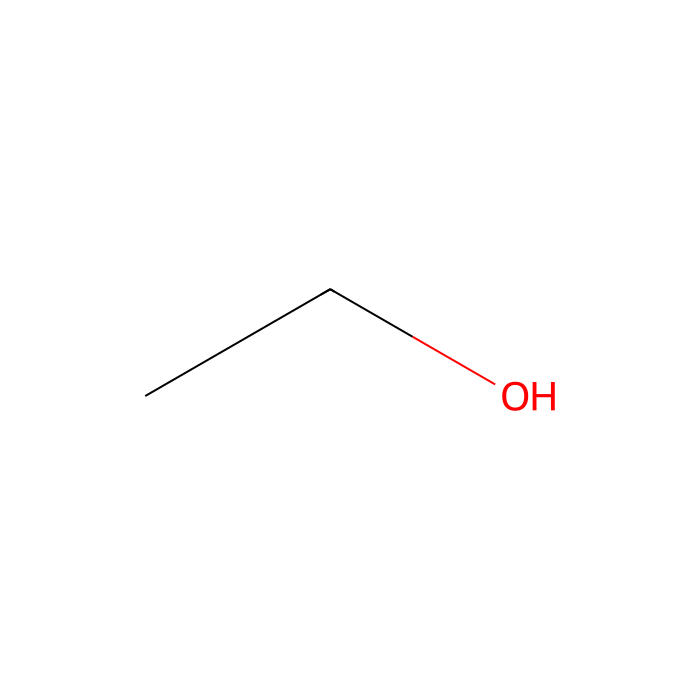
CAS: 64-17-5 货号: R433200 分子式: CH3CH2OH 分子量: 46.07 Beilstein号: 1718733 EC号: 200-578-6
有货
级别和纯度: Moligand™ ? Moligand™ —— 阿拉丁的配体和生物活性小分子系列。适用于需要明确小分子工具的受体、通路和结合研究。 ≥95% Used for histology tissue preparation
别名
变性酒精, RGA, 乙醇
储存条件
室温
运输条件
DG运输
★
规格
库存
价格
数量
1gals
R433200-1gals
期货 Stock Image
¥898.90
请输入您要添加的产品数量
🧪
为什么选择此级别

Moligand™ 级 提供 ≥95% 纯度,适用于对基线干扰要求严格的色谱和分析工作流程。

🌡

储存与运输

室温。DG运输 。请查阅批次 COA 获取详细规格。

📋

质量文档

SDS、COA、产品数据表及规格说明书均可下载。可通过批号查询获取批次 COA。

📚

文献证明

在色谱分析、有机合成和交叉偶联反应领域已被 13373 篇同行评审文献引用。

概述


General Description

Reagent Alcohol is denatured ethanol. It is widely used in histology and cytology for tissue processing.


Application

Reagent Alcohol has been used for dehydrating tissue samples before embedding in histology.

规格

别名
变性酒精, RGA, 乙醇
英文别名
Alcohol,dehydrated | Denatured ethanol | Alcohol, dehydrated | Aethylalkohol [German] | Etanolo [Italian] | Ethyl alc | Ethyl alcohol (Ethanol) | Ethylalcohol | NCI-C03134 | Denatured alcohol SD-40m | Desinfektol EL | Aethanol [German] | Alcoholum | Alkoh
规格或纯度
Moligand™, ≥95%, Used for histology tissue preparation
英文名称
Reagent Alcohol
储存条件
室温
运输条件
DG运输
纯度
≥95%
名称和识别符
EC号
200-578-6
分子类型
小分子
IUPAC Name
ethanol
INCHI
1S/C2H6O/c1-2-3/h3H,2H2,1H3
InChi Key
LFQSCWFLJHTTHZ-UHFFFAOYSA-N
Smiles
CCO
Isomeric SMILES
CCO
UN Number
Packing Group
II
分子量
46.07
Beilstein号
1718733

技术文档

📋 安全数据表 (SDS)

全面的危险、操作、储存及法规合规文件。

下载 SDS →

✅ 分析证书 (COA)

批次质量数据。输入批号以获取对应 COA。

查询 COA →

📊 产品数据表

产品规格和应用的快速参考摘要。

查看数据表 →

🔬 规格说明书

该级别的完整质量属性和验收标准。

查看规格说明 →

高级数据

系统学分类

分类树(Taxonomy Tree)

界(kingdom) 有机化合物
超类(Superclass) 有机氧化合物
类(Class) 有机氧化合物
亚类(Subclass) 醇和多元醇
中间层级节点(Intermediate Tree Nodes) 暂无
直接上位类(Direct Parent) 伯醇
其他上位类(Alternative Parents) 碳氢化合物衍生物  
分子骨架(Molecular Framework) 脂肪族无环化合物
取代基(Substituents) 脂肪族非环化合物 - 烃衍生物 - 初级醇
描述(Description) 该化合物属于有机化合物中的伯醇类。这类化合物含有伯醇官能团,通式为RCOH(R=烷基、芳基)。
外部描述符(External Descriptors) a primary alcohol - a short-chain alcohol
三维结构
交互式化学结构模型


关联靶点(人)
KCNJ6 Tchem G蛋白激活内向整流钾通道2(G protein-activated inward rectifier potassium channel 2) (0 活性数据)
活性类型 活性值-log(M) 作用机制 期刊 参考文献(PubMed IDs)
TRPV6 Tchem 瞬时受体电位阳离子通道亚家族V成员6(Transient receptor potential cation channel subfamily V member 6) (0 活性数据)
活性类型 活性值-log(M) 作用机制 期刊 参考文献(PubMed IDs)
HTR3A Tclin 5-羟色胺受体 3A(5-hydroxytryptamine receptor 3A) (0 活性数据)
活性类型 活性值-log(M) 作用机制 期刊 参考文献(PubMed IDs)
KCNJ3 Tchem G蛋白激活内向整流钾通道1(G protein-activated inward rectifier potassium channel 1) (0 活性数据)
活性类型 活性值-log(M) 作用机制 期刊 参考文献(PubMed IDs)
KCNJ5 Tchem G蛋白激活内向整流钾通道4(G protein-activated inward rectifier potassium channel 4) (0 活性数据)
活性类型 活性值-log(M) 作用机制 期刊 参考文献(PubMed IDs)
化学和物理性质
密度
0.786-0.818g/L
折光率
1.3600 (lit.)
闪点(℃)
13°C
沸点
78.15°C
熔点
-114.1°C
分子量
46.070 g/mol
XLogP3
-0.100
氢键供体数Hydrogen Bond Donor Count
1
氢键受体数Hydrogen Bond Acceptor Count
1
可旋转键计数Rotatable Bond Count
0
精确质量Exact Mass
46.0419 Da
单同位素质量Monoisotopic Mass
46.0419 Da
拓扑极表面积Topological Polar Surface Area
20.200 Ų
重原子数Heavy Atom Count
3
形式电荷Formal Charge
0
复杂度Complexity
2.800
同位素原子数Isotope Atom Count
0
定义的原子立体中心计数Defined Atom Stereocenter Count
0
未定义的原子立体中心计数Undefined Atom Stereocenter Count
0
定义的键立体中心计数Defined Bond Stereocenter Count
0
未定义的键立体中心计数Undefined Bond Stereocenter Count
0
所有立体化学键的总数The total count of all stereochemical bonds
0
共价键合单元计数Covalently-Bonded Unit Count
1
安全和危险性(GHS)
一般危化品
一般危化品
象形图
GHS02,   GHS07
信号词
危险
危险声明

H225: 高度易燃的液体和蒸气

H319: 引起严重眼睛刺激

预防措施声明

P210: 远离热源,热表面,火花,明火和其他点火源。 - 禁止抽烟。

P233: 保持容器密闭。

P240: 地面/粘结容器和接收设备

P241: 使用防爆的[电气/通风/照明/.../]设备。

P242: 仅使用无火花的工具。

P243: 采取防静电措施

P264: 处理后要彻底洗手。

P280: 戴防护手套/穿防护服/戴防护眼罩/戴防护面具。

P303+P361+P353: 如皮肤(或头发)沾染:立即脱掉所有沾染的衣服。用水清洗皮肤/淋浴。

P305+P351+P338: 如进入眼睛:用水小心冲洗几分钟。如戴隐形眼镜并可方便地取出,取出隐形眼镜。继续冲洗。

P337+P313: 如仍觉眼刺激:求医/就诊。

P370+P378: 火灾时:使用干砂、干粉或抗醇泡沫灭火。

P403+P235: 存放在通风良好的地方。保持低温。

P501: 将内容物/容器处理到。。。

WGK Germany
1
Class
3
个人防护装备
Eyeshields, Faceshields, full-face respirator (US), Gloves, multi-purpose combination respirator cartridge (US), type ABEK (EN14387) respirator filter
质检证书(CoA,COO,BSE/TSE 和分析图谱)
C of A & Other Certificates(BSE/TSE, COO):
输入批号以搜索分析图谱:
技术文档和文章
β-丙内酯(BPL)病毒灭活标准操作规程
β-Propiolactone (BPL) Viral Inactivation — Standard Operating Procedure (SOP)
蛋白实验最常用的还原剂
Common Reducing Agents Used in Protein Experiments
如何将疏水性药物装载到脂质体中?
How do I load a hydrophobic drug into liposomes?
新型酯化方法——NDTP缩合剂介导的快速酯化
A New Esterification Method — Rapid Esterification Mediated by the Coupling Reagent NDTP
为什么镍琼脂糖微球失去了颜色?
Why Did Nickel Agarose Beads Lose Their Color?
蛋白质Tris-Glycine电泳系统标准操作规程
Standard Operating Procedure (SOP) for the Protein Tris–Glycine Electrophoresis System
为什么Protein A总脱落?
Why Does Protein A Keep Leaching?
蛋白质Tris-Tricine电泳系统标准操作规程
Protein Tris-Tricine Electrophoresis System Standard Operating Procedure
Ni²⁺–琼脂糖树脂的剥离、清洗与金属再生流程
Stripping, Cleaning, and Metal Recharging Workflow for Ni²⁺–Agarose Resins
使用磁性琼脂糖微球纯化抗体
Purifying Antibodies with Magnetic Agarose Beads
油红O染色实验流程
Oil Red O Staining Protocol
TRAP染色实验原理及步骤
TRAP Staining: Principle and Procedure
Super Fluor 680 / 750 近红外染料在小动物活体荧光成像中的应用指南
Application Guide to Super Fluor 680 / 750 Near-Infrared Dyes for In Vivo Small-Animal Fluorescence Imaging
GST标签蛋白纯化
GST-Tagged Protein Purification
NHS 活化酯抗体标记的通用原理、F/P 计算与 Troubleshooting 指南
General Principles of Antibody Labeling with NHS-Activated Esters, F/P Calculation, and Troubleshooting Guide
生物基化学品:从平台分子到应用场景——趋势洞察与阿拉丁产品布局
Bio-based Chemicals: From Platform Molecules to Application Scenarios — Trend Insights and Aladdin’s Product Portfolio
生物素标记蛋白纯化
Biotin-Labeled Protein Purification
橙皮苷:藏在柑橘果皮里的多功能黄酮
Hesperidin: A Multifunctional Flavonoid Hidden in Citrus Peels
类胡萝卜素:结构特性、膳食来源与科研应用综述-附阿拉丁天然色素产品选型指南
Carotenoids: Structural Features, Dietary Sources and Research Applications – With an Aladdin Natural Pigments Product Selection Guide
支原体的生物学特性与实验室防控策略
Biological Characteristics of Mycoplasma and Laboratory Control Strategies
苏木精–伊红(HE)染色操作规程
Hematoxylin–Eosin (H&E) Staining Standard Operating Procedure (SOP)
纳米粘土在材料与配方中的应用:分散机理、性能提升与产品选型
Applications of Nanoclay in Materials and Formulations: Dispersion Mechanisms, Performance Enhancement, and Product Selection
香精科普:从配方黑箱到可工程化体系——相容性、稳定性、控释、可追溯与选型指南
A Practical Guide to Fragrance Compositions: Turning a Black-Box Formula into an Engineerable System—Compatibility, Stability, Controlled Release, Traceability, and Selection
析氢催化剂怎么选:水电解的动力学门槛、AWE/PEM/AEM 路线与材料家族导航(含产品地图)
How to Choose a Hydrogen Evolution (HER) Catalyst: Kinetic Barriers in Water Electrolysis, AWE/PEM/AEM Pathways, and a Materials-Family Roadmap (with a Product Map)
PAS染色(Periodic Acid–Schiff,PAS)标准操作规程
PAS Staining (Periodic Acid–Schiff, PAS) Standard Operating Procedure (SOP)
Masson三色染色(Masson’s Trichrome Stain)标准操作规程
Masson’s Trichrome Stain (Masson’s Trichrome) Standard Operating Procedure (SOP)
植物可溶性糖检测技术研究进展
Research Progress in Detection Technologies for Soluble Sugars in Plants
苏木素的理化特性、染色机理与应用规范
Physicochemical Properties, Staining Mechanisms, and Practical Application Specifications of Hematoxylin
芍药苷(Paeoniflorin):结构特征、理化性质与分析质控要点
Paeoniflorin: Structural Features, Physicochemical Properties, and Key Considerations for Analytical Quality Control
氨基糖苷类抗生素潮霉素 B的生物学特性与应用价值研究
Biological Characteristics and Application Value of the Aminoglycoside Antibiotic Hygromycin B
卵磷脂的技术特性、制备工艺及应用研究进展
Lecithin: Technical Characteristics, Preparation Processes, and Research Progress in Applications
烟酸(维生素B3):结构特征、代谢作用与应用体系概览
Niacin (Vitamin B3): Structural Features, Metabolic Roles, and Application Landscape
碳纳米管(CNT)分散实用指南:三大旋钮、SOP及选型导航(表A–F)
Practical Guide to Carbon Nanotube (CNT) Dispersion: Three Key Knobs, SOP, and Selection Roadmap (Tables A–F)
葡萄糖酸钙(Calcium Gluconate)的理化特性、药典质量控制与应用技术指南
Calcium Gluconate: Physicochemical Properties, Pharmacopoeial Quality Control, and Application Guidelines
羧甲基纤维素钠(CMC-Na)实用指南:增稠/稳定机理、配液关键控制点与选型导航(含表1、表A–C)
Practical Guide to Sodium Carboxymethyl Cellulose (CMC-Na): Thickening/Stabilizing Mechanisms, Key Controls for Solution Preparation, and Selection Navigation (including Table 1 and Tables A–C)
核酸研究中检测定量与相互作用解析的十种常用技术综述
A Review of Ten Commonly Used Techniques for Detection, Quantification, and Interaction Analysis in Nucleic Acid Research
茜素红S染色与Von Kossa银染的矿化显示方法学要点
Methodological essentials for mineralization visualization: Alizarin Red S staining vs. Von Kossa silver staining
植物纤维类指标检测方法与应用选择研究进展
Recent Advances in Methods for Measuring Plant Fiber-Related Indices and Application-Oriented Selection
植物蛋白类指标检测方法与应用选择研究进展
Recent Advances in Methods for Measuring Plant Protein-Related Indices and Application-Oriented Selection
常见动植物生理生化指标的作用与意义
Functions and Significance of Common Physiological and Biochemical Indices in Animals and Plants
植物淀粉相关指标检测方法与应用选择研究进展
Recent Advances in Methods for Measuring Starch-Related Indices in Plants and Their Application-Oriented Selection
植物组学技术全景:基因组—转录组—蛋白质组—代谢组的流程框架与多组学整合应用
Plant Omics Panorama: Workflow Frameworks and Multi-Omics Integration from Genomics to Transcriptomics, Proteomics, and Metabolomics
RNA提取技术:方法体系、操作流程与质量控制要点
RNA Extraction Technologies: Method Systems, Operational Workflows, and Key Quality-Control Considerations
β-N-乙酰氨基葡萄糖苷酶:底物特异性水解酶学特征与检测、科研及产业应用
β-N-Acetylglucosaminidase: Substrate-Specific Hydrolytic Enzymology, Assays, and Research and Industrial Applications
脂肪酶(Lipase,甘油三酯水解酶):界面催化机理、选择性类型与检测及应用体系
Lipase (Triacylglycerol Hydrolase): Interfacial Catalysis, Selectivity Classes, and Assay/Application Systems
Suzuki–Miyaura 反应怎么做稳:定位瓶颈,锁定可复现窗口(含选型导航及产品表1–表5)
How to Make the Suzuki–Miyaura Reaction Robust: Pinpoint the Bottleneck and Lock in a Reproducible Operating Window (with Selection Navigation and Product Tables 1–5)
琼脂糖预制胶:标准化核酸电泳载体的构成、优势与应用体系
Agarose Precast Gels: Composition, Advantages, and Application Workflows for Standardized Nucleic Acid Electrophoresis Matrices
凝乳酶:分子特征、凝乳动力学与活力评价的研究综述
Chymosin: A Review of Molecular Features, Coagulation Kinetics, and Activity Evaluation
微球菌核酸酶(MNase):酶学特性、反应控制与科研及生物制造应用技术综述
Micrococcal Nuclease (MNase): A Technical Review of Enzymatic Properties, Reaction Control, and Research and Biomanufacturing Applications
叶绿素:结构特征、理化性质与科研及产业应用要点
Chlorophyll: Structural Features, Physicochemical Properties, and Key Points for Research and Industrial Applications
几丁质酶:底物特异性降解机制、酶学特性与应用方向
Chitinases: Substrate-Specific Degradation Mechanisms, Enzymatic Properties, and Application Directions
白介素29(IL-29/IFN-λ1):分子特征、信号网络与科研应用体系
Interleukin-29 (IL-29/IFN-λ1): Molecular Features, Signaling Networks, and a Systematic Framework for Research Applications
阿魏酸:结构特征、制备获取与科研应用要点
Ferulic Acid: Structural Features, Preparation Routes, and Key Points for Research Applications
丹皮酚:理化特征、用途与科研应用要点
Paeonol: Physicochemical Features, Uses, and Key Points for Research Applications
法莫替丁:理化特征、作用机制与科研应用要点
Famotidine: Physicochemical Features, Mechanism of Action, and Key Points for Research Applications
黄酮:结构特征、理化性质与科研及应用要点
Flavones: Structural Features, Physicochemical Properties, and Key Points for Research and Applications
β-酰氧基烯基酰胺(AAAs):一种值得关注的酰胺键与肽键构建新思路
β-Acyloxy Alkenyl Amides (AAAs): A New Approach to Amide Bond and Peptide Bond Construction Worth Attention
Sol-Gel(溶胶—凝胶)成膜中的硅烷前驱体:前驱体选择及其对成膜结果的影响
Silane Precursors in Sol-Gel Film Formation: Precursor Selection and Its Influence on Film-Formation Outcomes
从一次比旋光结果分歧看方法学控制:手性样品的比旋光测定为何不能脱离条件谈数值
What a Disagreement in Specific Rotation Results Reveals About Method Control: Why Specific Rotation Values for Chiral Samples Cannot Be Discussed Apart from Measurement Conditions
二溴三苯基膦(PPh₃Br₂)不只是溴化剂:从醇转溴代物到羧酸活化与一锅酯化、烯基溴与腈构建的实验选型逻辑
Triphenylphosphine Dibromide (PPh₃Br₂) Is More Than Just a Brominating Reagent: Experimental Selection Logic from Alcohol-to-Alkyl Bromide Conversion to Carboxylic Acid Activation and One-Pot Esterification, Vinyl Bromide Formation, and Nitrile Constructi
Boc₂O 的选用不能只看保护引入:从底物亲核性、介质效应到脱保护路径的实验判断
Boc₂O Selection Cannot Be Judged by Protection Installation Alone: Experimental Decision-Making from Substrate Nucleophilicity and Medium Effects to Deprotection Pathways
硅烷偶联剂底涂液的配制方法与注意事项
Preparation Methods and Precautions for Silane Coupling Agent Primer Solutions
石墨烯油墨为什么难做:从片层分散到可打印导电图案
Why Graphene Inks Are Difficult to Make: From Sheet Dispersion to Printable Conductive Patterns
橘黄G6、EA36与EA50在巴氏染色体系中的功能区分
Functional Distinction among Orange G-6, EA36, and EA50 in the Papanicolaou Staining System
巴氏染色实验操作规程
Papanicolaou Staining Procedure
组织和细胞样品固定中戊二醛、多聚甲醛与福尔马林的应用区别
Application Differences Among Glutaraldehyde, Paraformaldehyde, and Formalin in Tissue and Cell Sample Fixation
微生物形态鉴别的观察体系、染色方法与结果判读
Microbial Morphological Identification: Observation Systems, Staining Methods, and Result Interpretation
ZnO 纳米颗粒电子传输层如何降低有机光电探测器暗电流:作用机制、成膜质量与材料选择
How ZnO Nanoparticle Electron Transport Layers Reduce Dark Current in Organic Photodetectors: Mechanisms, Film Quality, and Material Selection
酚醛树脂为什么耐热、耐化学性好?从分子结构到固化网络解析性能来源
Why Do Phenolic Resins Have Good Heat and Chemical Resistance? Analyzing the Source of Their Performance from Molecular Structure to Cured Networks
酚醛树脂在涂料中的选型与配方设计要点:适用场景、应用限制与性能验证
Selection and Formulation Design Guidelines for Phenolic Resins in Coatings: Applicable Scenarios, Application Limitations, and Performance Verification
天然成膜树脂虫胶在涂料中的应用:醇溶快干成膜、封闭修复与性能边界
Application of Shellac, a Natural Film-Forming Resin, in Coatings: Alcohol-Soluble Fast-Drying Film Formation, Sealing and Repair, and Performance Boundaries
天然漆耐久性的化学基础:漆酚结构、氧化聚合成膜与涂膜性能
The Chemical Basis of Natural Lacquer Durability: Urushiol Structure, Oxidative Polymerization Film Formation, and Coating Film Properties
Russell改良Movat五色套染法动脉粥样硬化斑块及结缔组织成分综合显示实验操作规程
Experimental Protocol for the Russell Modified Movat Pentachrome Method for Comprehensive Visualization of Atherosclerotic Plaques and Connective Tissue Components
Thomas磷钼酸苏木素法胶原纤维、粗网状纤维及嗜银细胞颗粒染色实验操作规程
Thomas Phosphomolybdic Acid Hematoxylin Method for Staining Collagen Fibers, Coarse Reticular Fibers, and Argyrophilic Cell Granules: Experimental Protocol
肌纤维染色(Puchtler 鞣酸偶氮荧光桃红法)
Muscle Fiber Staining (Puchtler Tannic Acid–Azo Phloxine Method)
涂料配方中的树脂极性:从分子结构到溶解、相容、界面作用与配方设计
Resin Polarity in Coating Formulations: From Molecular Structure to Dissolution, Compatibility, Interfacial Interactions, and Formulation Design
脂肪酸甲酯磺酸盐(MES)在日化洗涤清洁配方中的应用:去污、硬水适应性与选用要点
Application of Fatty Acid Methyl Ester Sulfonate (MES) in Household Detergent and Cleaning Formulations: Detergency, Hard-Water Tolerance, and Selection Criteria
日化配方中溶剂、共溶剂与增溶体系:分类、作用与选型指南
Solvents, Co-solvents, and Solubilization Systems in Home and Personal Care Formulations: Classification, Functions, and Selection Guide
从结构到流变:卡波姆如何形成凝胶结构并实现增稠、悬浮与乳液辅助稳定?
From Structure to Rheology: How Carbomer Forms Gel Structures and Enables Thickening, Suspension, and Auxiliary Emulsion Stabilization
同属醇类,为什么甘油偏保湿、丙二醇偏助溶、异丙醇偏速干?——从结构差异看日化配方功能
Why Do Alcohols Differ in Function: Why Is Glycerol Mainly Moisturizing, Propylene Glycol Mainly Solubilizing, and Isopropyl Alcohol Fast-Drying? — Understanding Personal Care Formulation Functions from Structural Differences
小防白、大防白、PnB和DPnB:丁基醇醚在硬表面清洁配方中的作用机制与选型
Xiao Fang Bai, Da Fang Bai, PnB and DPnB: Mechanisms and Selection of Butyl Glycol Ethers in Hard-Surface Cleaning Formulations
异丙苯磺酸钠如何改善水基清洁配方稳定性:从结构、相行为到选型判断
How Sodium Cumenesulfonate Improves the Stability of Water-Based Cleaning Formulations: From Structure and Phase Behavior to Selection Criteria
柠檬烯为何能软化油污却难溶于水:从分子结构理解天然来源溶剂的清洁机理与配方应用
Why Limonene Can Soften Greasy Soils Yet Is Difficult to Dissolve in Water: Understanding the Cleaning Mechanism and Formulation Applications of Naturally Derived Solvents from Molecular Structure
从分子结构看除油剂:AEO、APG 等如何替代壬基酚聚氧乙烯醚(NPE)
Degreasing Agents from a Molecular-Structure Perspective: How AEO, APG, and Related Surfactants Can Replace Nonylphenol Ethoxylates (NPE)
不仅是 pH 调节剂:柠檬酸在日化清洁中的作用机理、选型逻辑与替代酸源分析
More Than a pH Adjuster: Mechanisms, Selection Logic, and Alternative Acid Source Analysis of Citric Acid in Home-Care Cleaning
蚀刻剂是什么?金相组织的蚀刻显现机理、选型方法与相关湿法蚀刻试剂应用
What Is an Etchant? Etching Mechanisms for Revealing Metallographic Microstructures, Selection Methods, and Applications of Related Wet-Etching Reagents
日化配方泡沫下降的机理与排查:破膜、界面弱膜、表活供给不足和相态扰动
Mechanisms and Troubleshooting of Foam Reduction in Personal and Household Care Formulations: Film Rupture, Weak Interfacial Films, Insufficient Surfactant Supply, and Phase-State Disturbance
中性腻子配方中木薯与玉米来源预糊化淀粉的区别及应用选择
Differences and Application Selection of Cassava- and Corn-Based Pregelatinized Starch in Neutral Putty Formulations
胃溃疡动物模型的建立与评价:化学诱导、应激损伤、感染模型和愈合研究
Establishment and Evaluation of Animal Models of Gastric Ulcer: Chemical Induction, Stress Injury, Infection Models, and Healing Studies
急性肝损伤动物模型的建立方法与实验评价
Methods for Establishing and Evaluating Animal Models of Acute Liver Injury
Bennhold刚果红法淀粉样物质染色操作规程
Bennhold Congo Red Staining Protocol for Amyloid Substances
Puchtler鞣酸-偶氮荧光桃红法肌纤维染色操作规程
Puchtler Tannic Acid–Azophloxine Method for Muscle Fiber Staining
Mallory磷钨酸苏木素法横纹肌横纹、纤维蛋白及神经胶质纤维染色实验操作规程
Mallory Phosphotungstic Acid Hematoxylin Method for Staining Striated Muscle Cross-Striations, Fibrin, and Neuroglial Fibers: Experimental Protocol
β-Propiolactone (BPL) Viral Inactivation — Standard Operating Procedure (SOP)
β-N-Acetylglucosaminidase: Substrate-Specific Hydrolytic Enzymology, Assays, and Research and Industrial Applications
Puchtler鞣酸-偶氮荧光桃红法肌纤维染色操作规程
Papanicolaou EA36宫颈细胞学染色操作规程
Papanicolaou EA36 Cervical Cytology Staining Protocol
幽门螺杆菌May-Grünwald-Giemsa(MGG)染色操作规程
Helicobacter pylori May-Grünwald-Giemsa (MGG) Staining Protocol
谷胱甘肽外用护肤机制解析:细胞氧化还原调节、皮肤递送难点与 SLNs 递送策略
Mechanistic Analysis of Topical Glutathione in Skincare: Cellular Redox Regulation, Skin Delivery Challenges, and SLN-Based Delivery Strategies
阿魏酸在护肤中的抗氧化机制、维生素C/E协同与稳定递送应用
Antioxidant Mechanisms of Ferulic Acid in Skincare, Vitamin C/E Synergy, and Stable Delivery Applications
肝纤维化动物模型构建与评价:毒性损伤、胆汁淤积、免疫炎症和代谢相关模型
Construction and Evaluation of Hepatic Fibrosis Animal Models: Toxic Injury, Cholestasis, Immune Inflammation, and Metabolism-Related Models
胰腺炎动物模型构建与评价:急性炎症、慢性纤维化和病因模拟研究
Construction and Evaluation of Pancreatitis Animal Models: Acute Inflammation, Chronic Fibrosis, and Etiological Simulation Research
多孔二氧化硅在控油散粉中的作用机理:孔结构、毛细浸润与表面改性
Mechanism of Action of Porous Silica in Oil-Control Loose Powder: Pore Structure, Capillary Imbibition, and Surface Modification
辛酰水杨酸的结构、角质层分布与角质调理机制:屏障影响与安全性评价
Structure, Stratum Corneum Distribution, and Stratum Corneum Conditioning Mechanism of Capryloyl Salicylic Acid: Barrier Effects and Safety Evaluation
银耳多糖的保湿机制:从多糖结构、水合流变到皮肤表面动态成膜
Moisturizing Mechanisms of Tremella fuciformis Polysaccharides: From Polysaccharide Structure and Hydration Rheology to Dynamic Film Formation on the Skin Surface
环化如何改变多肽行为:以Cyclopeptide-5为例解析构象预组织、皮肤递送与整合素结合
How Cyclization Changes Peptide Behavior: Conformational Preorganization, Skin Delivery, and Integrin Binding, Using Cyclopeptide-5 as an Example
生物模拟肽的皮肤作用逻辑:序列与构象、皮肤递送、稳定性及靶点匹配
The Logic of Biomimetic Peptide Action in Skin: Sequence and Conformation, Skin Delivery, Stability, and Target Matching
辅酶Q10如何作用于皮肤:线粒体电子传递、膜脂抗氧化与脂质载体递送
How Coenzyme Q10 Acts on the Skin: Mitochondrial Electron Transfer, Antioxidant Protection of Membrane Lipids, and Lipid-Carrier Delivery
灵芝提取物的结构—功能关系:多糖与三萜的皮肤保护作用及配方递送策略
Structure–Function Relationships of Ganoderma lucidum Extract: Skin-Protective Effects of Polysaccharides and Triterpenoids and Formulation Delivery Strategies
1,8-萘啶型醛糖还原酶抑制剂:骨架构建、体外抑制活性与结构优化方向
1,8-Naphthyridine-Based Aldose Reductase Inhibitors: Scaffold Construction, In Vitro Inhibitory Activity, and Directions for Structural Optimization
LY3509754关键α-溴代酮的构建:β-氧代酯策略与酶促酯水解后的伴随脱羧
Construction of the Key α-Bromoketone Intermediate for LY3509754: A β-Keto Ester Strategy and Concomitant Decarboxylation Following Enzymatic Ester Hydrolysis
ACT-1014-6470公斤级合成:未保护吡唑的N7选择性还原胺化、后续N2烷基化与分子内脲化
ACT-1014-6470 Kilogram-Scale Synthesis: N7-Selective Reductive Amination of an Unprotected Pyrazole, Subsequent N2 Alkylation, and Intramolecular Urea Formation
LY3509754关键α-溴代酮的构建:β-氧代酯策略与酶促酯水解后的伴随脱羧
Construction of the Key α-Bromoketone Intermediate for LY3509754: A β-Keto Ester Strategy and Concomitant Decarboxylation Following Enzymatic Ester Hydrolysis
此产品的引用文献
溶液计算器

常见问题

本产品的纯度是多少?
本产品的化学纯度(含量)为 ≥95%。批次的具体数值以分析证书(COA)为准。
本产品应如何储存?
请于室温条件下保存。
「Moligand?」是什么?
「Moligand?」是阿拉丁科学的高端产品线之一,专为多个工作流程中的高纯度应用而设计。与同类工作流程中的标准级别相比,「Moligand?」产品通常具有更严格的规格、更严谨的 QC 以及更强的批间一致性。
本产品如何运输?
本产品属危险品,通过 FedEx DG Service 运输。不提供陆运及其他经济型服务,部分目的地或地址类型可能受限。
本产品的 CAS 号、分子式和分子量是多少?
本产品的 CAS 号为 64-17-5,分子式为 C2H6O,分子量为 46.07 g/mol。InChIKey LFQSCWFLJHTTHZ-UHFFFAOYSA-N。
如何获取批次专用COA?
每个订单都会随附分析证书(COA),您也可以从账户订单历史中下载。如需订购前的COA,请联系您的客户代表,或使用PDP上的"申请COA"按钮——我们将提供代表性批次的COA。
